- Deployment: October 2000 (PS1), January 2001 (PS2)
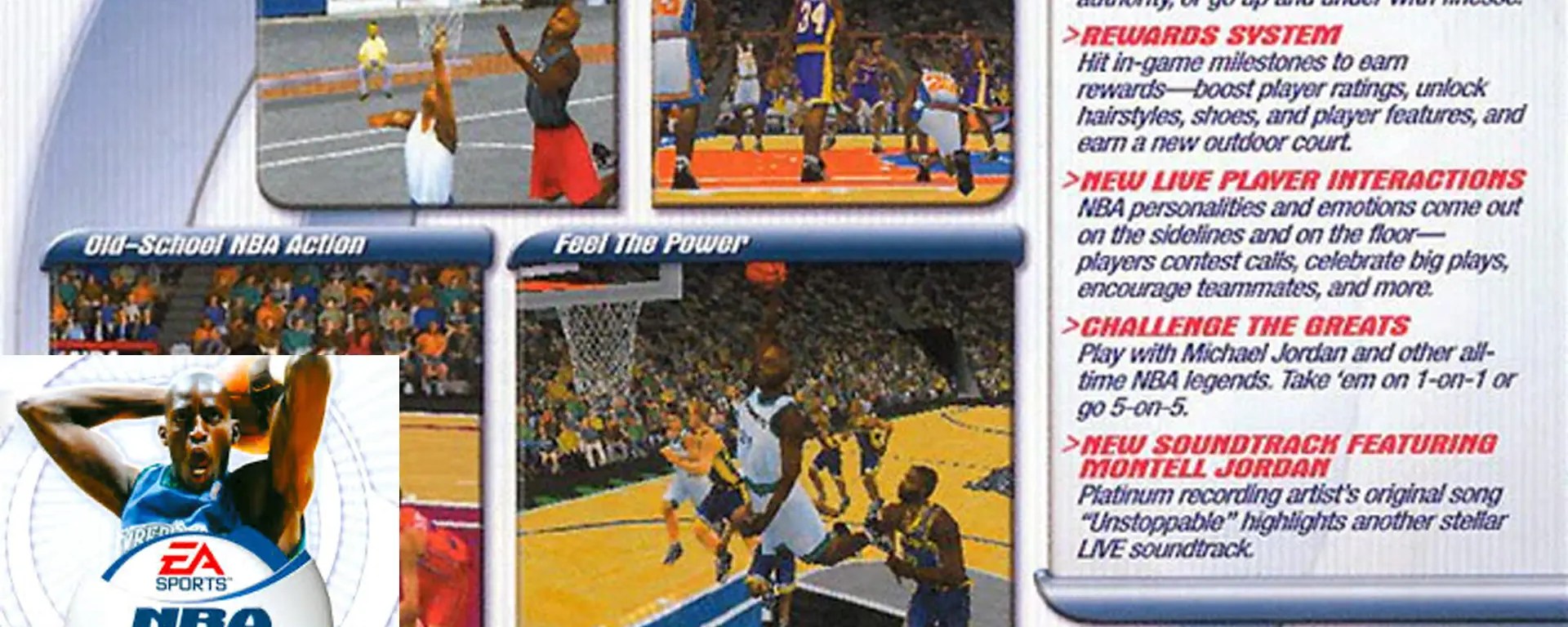
- The Cover Athlete: Kevin Garnett (Minnesota Timberwolves). This was the peak “Big Ticket” era, and KG actually spent time at EA Canada in Vancouver doing extensive motion capture to ensure his “lanky” athleticism was mirrored in the hardware.+1
- The Rivalry: This was the first major skirmish in the Live vs. 2K wars. While Sega’s NBA 2K1 was winning over the “Sim” purists on Dreamcast, Live 2001 was the “Arcade-Style” heavyweight for the massive PlayStation audience
The year 2001 was a pivotal one for basketball gaming. On one side, you had Sega’s NBA 2K1 pushing pure simulation on the Dreamcast; on the other, NBA Live 01 was the glitzy, high-fidelity heavyweight tasked with launching EA Sports into the PlayStation 2 era. NBA Live 01 wasn’t just another roster update. It was a cultural event that moved the “Big Ticket” himself, Kevin Garnett, from the hardwood to the mo-cap studio, attempting to translate his lanky, hyper-versatile athleticism into a digital mainframe for the first time.
NBA Live 01 is the next file entry in our library.
RELATED: [THE FILES] 113: NBA Live 2000 (1999)
Table of Contents
The Technical Specs: “Face in the Game” & Blacktop Glory
- The Face Patch: The PC version allowed for a “Cyber-Face” upload, where you could literally map your own digital identity onto a player. It was buggy, but it was the ancestor to modern face-scanning tech.
- The Blacktop Protocol: The 1v1 mode was the game’s secret weapon. You could trigger a “Legacy Glitch” by pitting Michael Jordan against Wilt Chamberlain in an urban playground setting. It was the ultimate “Barbershop Debate” hardware brought to life.
- The OS Logic: For the first time, players didn’t feel “slippery.” Collision routines were updated so that posting up Shaq actually felt like hitting a brick wall.
The EA Trax: High-Fidelity Hip-Hop
This was the year the “EA Trax” brand became a legitimate tastemaker. The soundtrack was a pristine 2001 time capsule:
- Montell Jordan: The “Unstoppable” intro track became the anthem for a generation of hoopers.
- Bootsy Collins & Choclair: Blending old-school funk with new-school rap to create a “Lifestyle OS” that went beyond just basketball.
The “Hero Ball” Legacy
In April 2026, NBA Live 2001 is looked at as the peak of the “Isolation Era.”
- System Design: The game was built for the 1v1 stars. Using Allen Iverson or Tracy McGrady felt like cheating—the “Crossover” button was a literal ankle-breaking exploit.
- The Transition Error: While it had the glitz, it lacked a deep Franchise Mode (which wouldn’t arrive on PS2 until Live 2002). It was a game about the moment, not the long-term simulation, reflecting the flashy, streetball-influenced NBA culture of the early 2000s
The Archival Staple
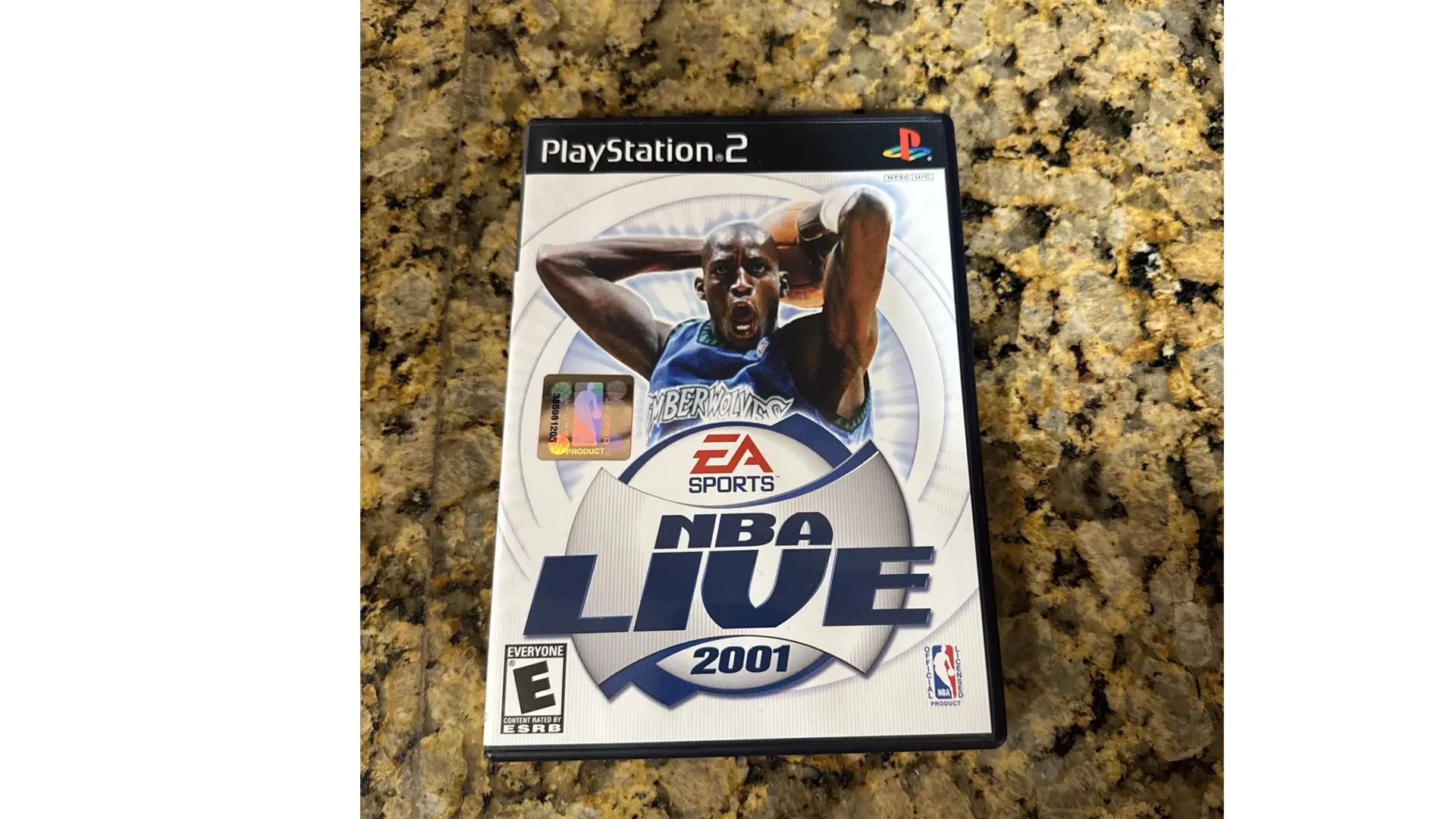
Featured Photo: EA Sports
RELATED: [THE FILES] 061 | NBA Live 95 (1994) — The Isometric Revolution
RELATED: [THE FILES] 071 | NBA Live 96 (1995): The Dawn of the 32-Bit Era
RELATED: [THE FILES] 085 | NBA Live 97 (1996) — The 3D Polygon Shift
RELATED: [THE FILES] 092 | NBA Live 98 – The Simulation Hardware Reset
RELATED: NBA Live 99 (1998) — The Soul of Hoops
Author Bio
Jael Rucker is the founder of Decked Out Magazine. She has previously worked as the Associate Commerce Editor at PureWow, focusing on analytics and trends to pitch stories and optimize articles that build and engage their audience. Her work has also been seen in Footwear News and WWD. Prior to 2024, she was the style and pop culture editor at ONE37pm for over three years, contributing numerous product reviews, brand profiles and fashion trend reports, which included interviewing Steph Curry, Snoop Dogg and more.
![[THE FILES] : Treasure Planet (2002)](https://deckedoutmagazine.com/wp-content/uploads/2026/06/treasure_planet_history_hero_image.webp)