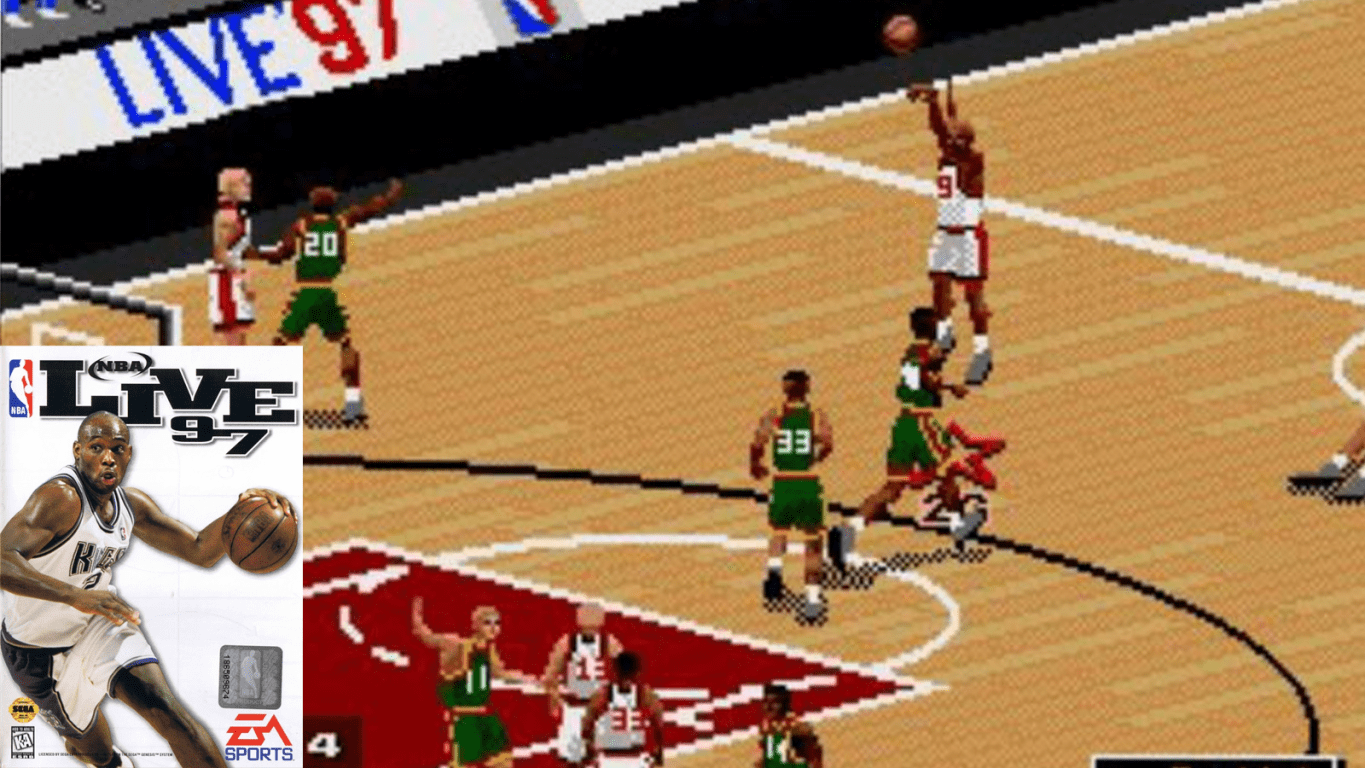
- Date of Record: October 31, 1996
- Platforms: PlayStation (PS1), SEGA Saturn, PC, SNES, Genesis
- Operational Status: Archival / Legacy
In 1996, the sports gaming industry hit a hard reset. NBA Live 97 arrived as the franchise’s first “Next-Gen” entry, tasking EA Canada with migrating the fluid gameplay of the 16-bit era into a fully polygonal environment. It wasn’t just a roster update; it was a total architectural overhaul. This was the debut of the Virtual Stadium—a proprietary 3D engine that replaced flat, hand-drawn sprites with real-time rendered character models. For the first time, the “camera” was no longer a fixed point; it was a physical piece of digital hardware that could rotate, zoom, and track the ball in 360 degrees.
NBA Live 97 is the next file entry in our library.
RELATED: [THE FILES] 071 | NBA Live 96 (1995): The Dawn of the 32-Bit Era
Table of Contents
Technical Architecture: Polygons & Motion Capture
The move to the PlayStation and SEGA Saturn allowed EA to experiment with primitive but revolutionary animation techniques that defined the mid-90s “Vibe.”
- The Render Engine: The PC and 32-bit console versions utilized a 3D engine capable of rendering floor reflections and multiple light sources. This gave the court a “glossy” TV-style finish that made the SNES version look ancient overnight.
- Motion Capture V1: This was one of the earliest sports titles to use Motion-Captured Data. EA brought in real NBA talent to track authentic movements for dunks and crossovers. While the polygon counts were low (resulting in “blocky” shoulders), the fluidity of the movement was light-years ahead of the competition.
- The Frame Rate: On the PS1, the game targeted a consistent 30 FPS. While common today, maintaining this frame rate with 10 polygonal players on the court in 1996 was a significant engineering feat.
Virtual Hardware Specs
The move to 32-bit hardware represented a complete architectural reset for the franchise, replacing the fixed 2D sprites of the past with a fully polygonal Virtual Stadium engine. This shift allowed the digital “camera” to operate as a free-roaming piece of hardware, capable of 360-degree rotations, floor-level zooms, and dynamic overhead replays that were physically impossible on 16-bit consoles. To power this new depth, EA utilized early motion-capture technology, recording real-world movements from NBA players like Mitch Richmond to ensure the 3D models maintained fluid, 30 FPS animations.
Marketing & Cultural Impact: “I’m Better Than You”
The marketing campaign for ’97 was aggressive, leaning into the high-energy, “in-your-face” culture of the 90s. The TV commercials featured the iconic narration: “A long time ago, someone said ‘I’m better than you.’ … hands become hammers, point guards become lethal… NBA Live 97.”
- The Shaq Factor: This was the first NBA Live to feature Shaquille O’Neal on the roster (following his move to the Lakers), which was a massive selling point for fans who had previously had to use “Custom Players.”
- The Missing Link: Michael Jordan remained absent due to licensing. He was represented as “Player #99” on the Bulls, a “Missing File” that fueled the rise of the “Create-a-Player” subculture.
Performance Data
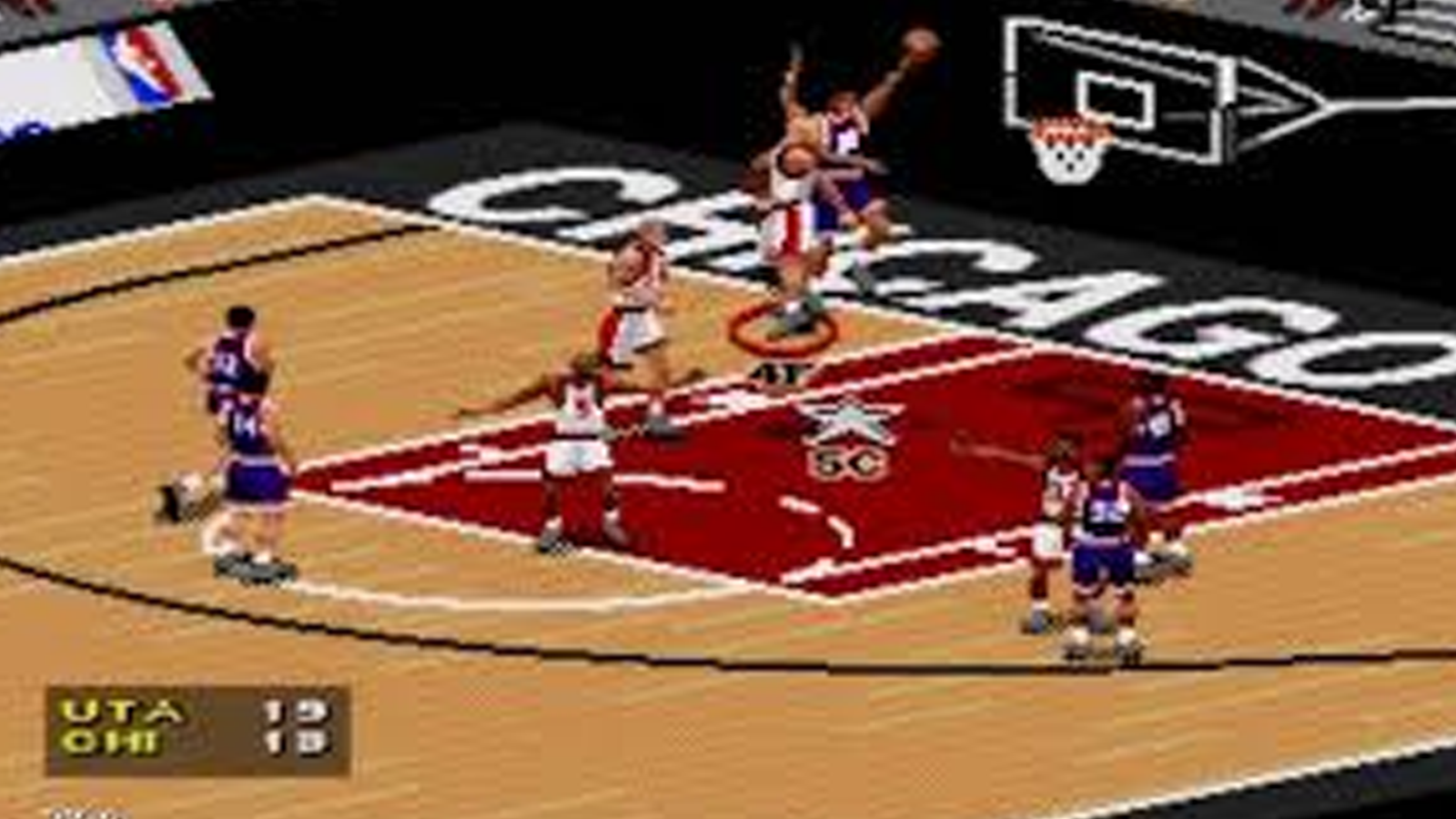
Photo: EA Sports
- Release Date: October 31, 1996 (PlayStation)
- Critical Score: 8.75/10 (Electronic Gaming Monthly)
- Legacy: Ranked #33 on EGM’s “Best Console Games of All Time” in 1997.
- Verdict: While the SEGA Saturn port was technically inferior, the PlayStation version was the definitive 3D sports experience of its time.
The Archival Staple

*As an eBay partner, we earn a commission on qualifying purchases, which allows us to expand our digital library*
Featured Photo: EA Sports
RELATED: [THE FILES] 061 | NBA Live 95 (1994) — The Isometric Revolution
Author Bio
Jael Rucker is the founder of Decked Out Magazine. She has previously worked as the Associate Commerce Editor at PureWow, focusing on analytics and trends to pitch stories and optimize articles that build and engage their audience. Her work has also been seen in Footwear News and WWD. Prior to 2024, she was the style and pop culture editor at ONE37pm for over three years, contributing numerous product reviews, brand profiles and fashion trend reports, which included interviewing Steph Curry, Snoop Dogg and more.
![[THE FILES] : Treasure Planet (2002)](https://deckedoutmagazine.com/wp-content/uploads/2026/06/treasure_planet_history_hero_image.webp)