
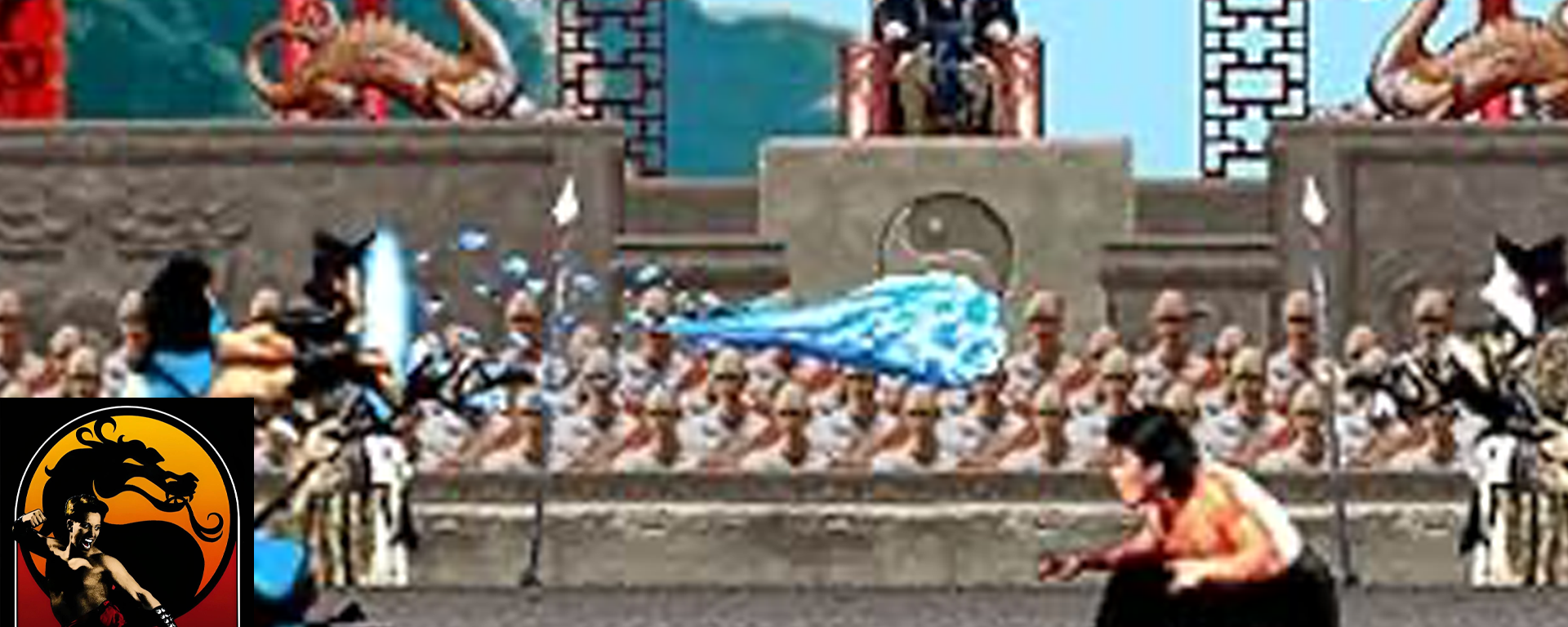
- The Release: October 8, 1992 (Arcade Release)
- The Architects: Ed Boon and John Tobias (Midway Games)
- The Lead: Liu Kang, Scorpion, and Sub-Zero
- The Hardware: Digitized real-life actors, the “Blood Code,” and the first-ever “Fatality.”
In the early ’90s, the fighting game circuit was a world of colorful, hand-drawn sprites. Then Midway Games dropped a digital bomb that recalibrated the entire industry’s OS. Mortal Kombat didn’t just compete with Street Fighter II; it hacked the social consciousness by introducing photorealistic violence and a level of gore that the hardware of the time had never seen. It was the game that proved pixels could bleed, and in doing so, it forced the world to create a regulatory firewall (the ESRB) that still governs the industry today. This is the origin story of the “Kombat” frequency.
RELATED: [THE FILES] 116: Xbox x Mountain Dew Code Red (2004)
Table of Contents
The Van Damme Glitch: From Bloodsport to Johnny Cage
The initial “Source Code” for Mortal Kombat wasn’t a fantasy epic; it was supposed to be a licensed game starring action star Jean-Claude Van Damme.
- The Conflict: When the deal with JCVD failed to initialize, the team at Midway pivoted. They created Johnny Cage as a direct homage (even sharing his initials and the “split-punch” move from Bloodsport).
- The Expansion: This failed partnership was actually a system update in disguise—it allowed Boon and Tobias to build a deep, supernatural mythology that outlasted any single celebrity license.
The Digitized Sprite Protocol: Capturing Real-World Data
While competitors were using traditional animation, Midway utilized a revolutionary “Digitized Sprite” architecture.
- The Specs: Real martial artists were filmed in front of a green screen, and their frames were compressed into 2D sprites. This gave the characters an “Uncanny Valley” realism that felt dangerous and modern in 1992.
- The Palette Swap Patch: To save on memory hardware, the team used palette swapping—changing the color of the same ninja sprite to create Scorpion (yellow), Sub-Zero (blue), and the hidden character Reptile (green).
The Senate Firewall: How MK Created the ESRB
The level of gore in Mortal Kombat triggered a massive “Moral Panic” within the government mainframe.
- The 1993 Hearings: Led by Senators Joe Lieberman and Herb Kohl, the U.S. Senate held hearings on video game violence, specifically citing Mortal Kombat’s heart-ripping Fatalities as a threat to the youth.
- The Patch: To avoid government-mandated censorship, the industry formed the ESRB (Entertainment Software Rating Board) in 1994. Mortal Kombat was the primary catalyst for the “M for Mature” rating we see today.
The “Fatality” Algorithm: Finishing the System
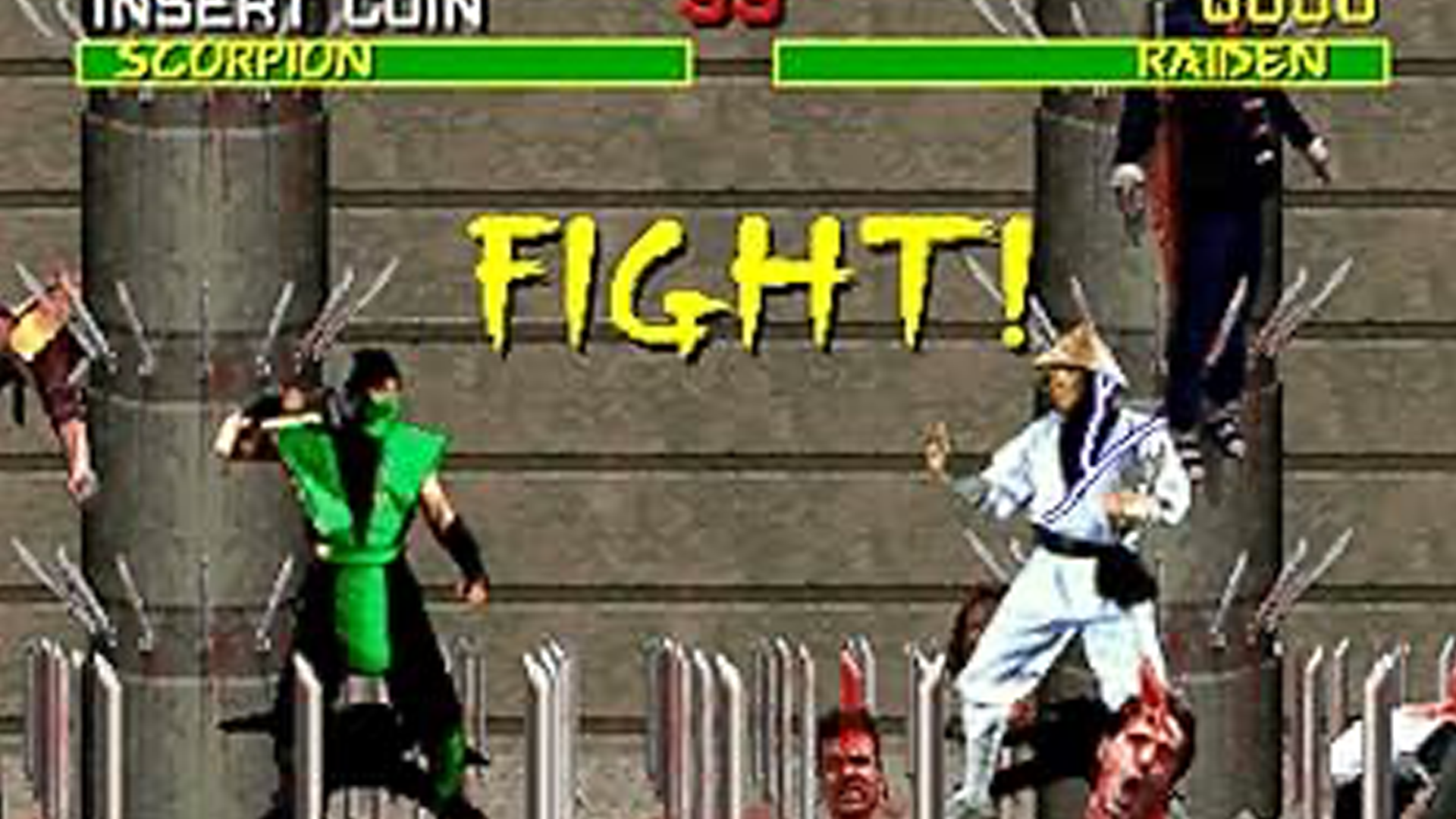
Photo: Midway Games
The most iconic piece of Mortal Kombat’s logic was the Fatality—a finishing move executed after the opponent’s health was depleted.
- The Inputs: These weren’t just simple button presses; they were complex “secret codes” that players had to learn through rumors and arcade magazines.
- The Cultural Frequency: The Fatality transformed a 1v1 fight into a spectator event. Seeing a “Pit Fatality” or Sub-Zero’s “Spine Rip” became a rite of passage in the arcades of the early ’90s.
The ‘Decked Out’ Verdict
Mortal Kombat (1992) remains the most disruptive piece of software in fighting game history. It proved that gaming wasn’t just for kids—it was a medium capable of adult themes, photorealistic art, and massive cultural controversy. It didn’t just change the game; it changed the law.
Featured Photo: Midway Games
RELATED: [THE FILES] 061 | NBA Live 95 (1994) — The Isometric Revolution
Author Bio
Jael Rucker is the founder of Decked Out Magazine. She has previously worked as the Associate Commerce Editor at PureWow, focusing on analytics and trends to pitch stories and optimize articles that build and engage their audience. Her work has also been seen in Footwear News and WWD. Prior to 2024, she was the style and pop culture editor at ONE37pm for over three years, contributing numerous product reviews, brand profiles and fashion trend reports, which included interviewing Steph Curry, Snoop Dogg and more.

![[THE FILES] 127: Zoolander (2001) – The 25th Anniversary Reset](https://deckedoutmagazine.com/wp-content/uploads/2026/04/zoolander_hero_image_history.png)