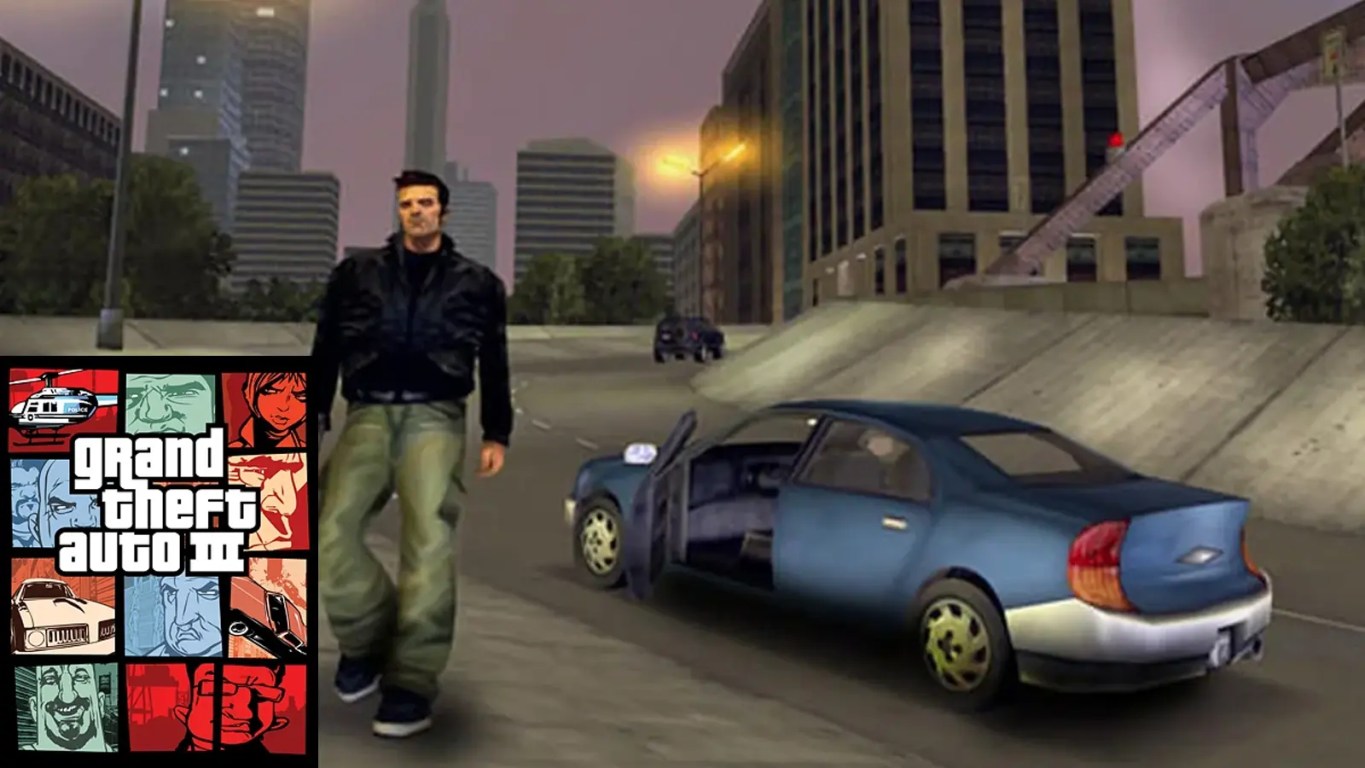
- The Deployment: Released October 22, 2001.
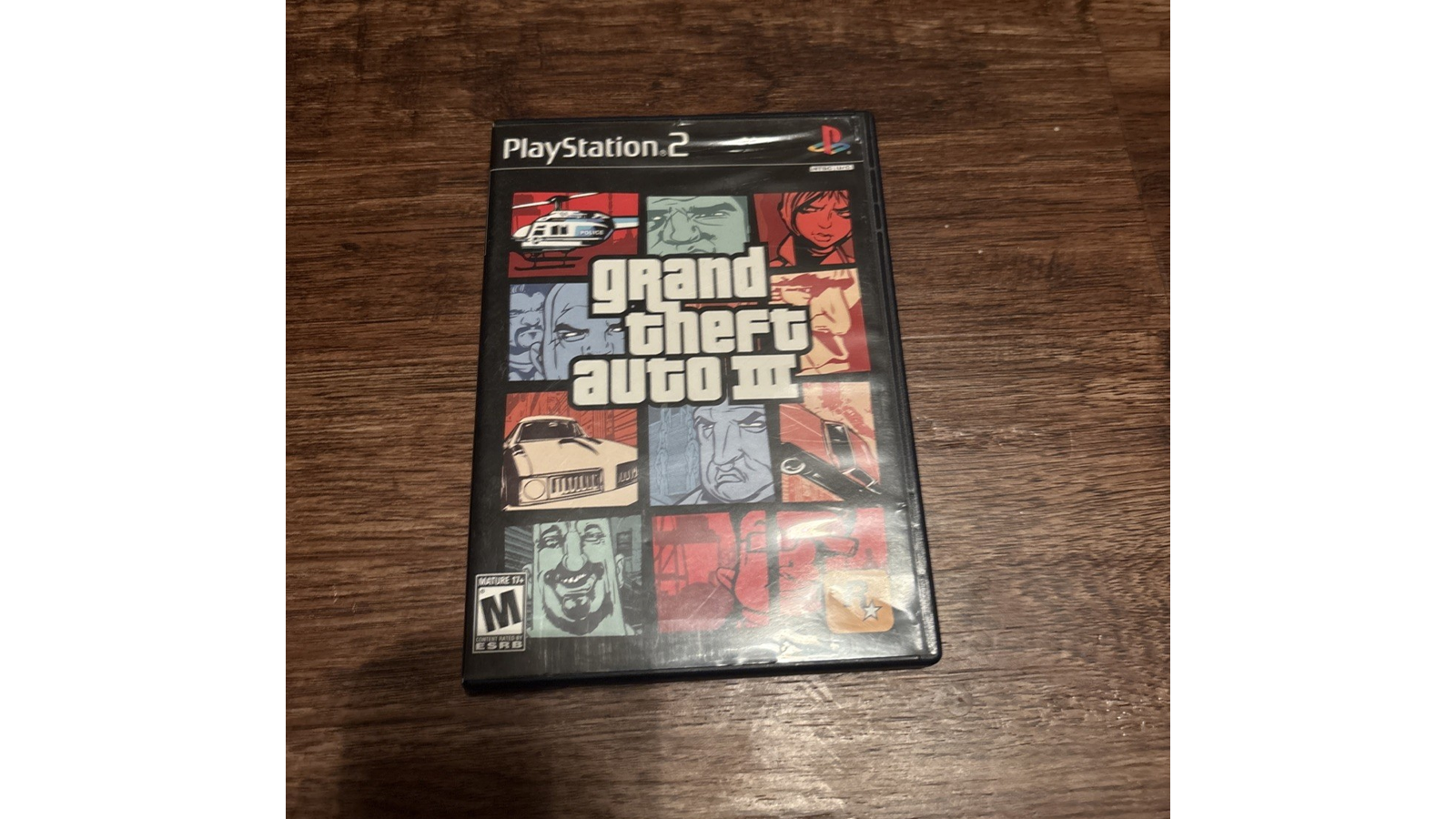
- The Platform: PlayStation 2 (Timed Exclusive).
- The Engine: RenderWare (Criterion Games).
- The Innovation: The first fully-realized 3D “Sandbox” with a systemic ecosystem.
In 2001, Liberty City shouldn’t have been possible. Sony’s PlayStation 2 was a powerful beast, but asking it to render a living city with dynamic traffic, weather cycles, and hundreds of NPCs—all without a “loading” screen between islands—was a suicide mission. Grand Theft Auto III didn’t just succeed; it defined the entire sixth generation of gaming.
You know what that means, right? Grand Theft Auto III is the next file entry in our library.
RELATED: [THE FILES] 078 | The Technical Profile of ‘Grand Theft Auto 2’ (1999)
Table of Contents
The Streaming Breakthrough
The secret sauce of File 093 was the RenderWare engine. Before Rockstar North mastered it, open-world games were usually limited to “Driving” (like Driver) or “Action” (like Syphon Filter).
- Real-Time Data Streaming: GTA III was a masterclass in optimization. It continuously loaded and unloaded assets from the DVD drive in real time as you drove. This allowed for an uninterrupted world, though it occasionally led to the infamous “pop-in,” a hallmark of the era.
- The 8MB Barrier: Managing the textures of Liberty City within the PS2’s limited VRAM required a level of “Hardware Auditing” that modern developers still study today.
A Systemic Sandbox
The “Flex” of GTA III wasn’t just in the graphics; it was in the AI and Physics.
- Emergent Gameplay: The game utilized a systemic AI where police, ambulances, and rival gangs interacted independently of the player. If you caused a wreck, an ambulance would arrive, and paramedics would actually attempt to “revive” NPCs.
- Damage Modeling: In 2001, the “Component-Based” damage (doors falling off, hoods flying up, engine smoke) was a massive leap forward in physics processing for a home console.
The Tone and the Tech
By keeping the protagonist, Claude, silent, Rockstar forced the hardware to tell the story through the environment. The Social Hardware—the chatter on Chatterbox FM and the distinct vibes of the three islands—made Liberty City feel like a character itself. It moved gaming away from being a “toy” and into being a “cinematic universe.”
The ‘Decked Out’ Verdict: The Blueprint for Everything
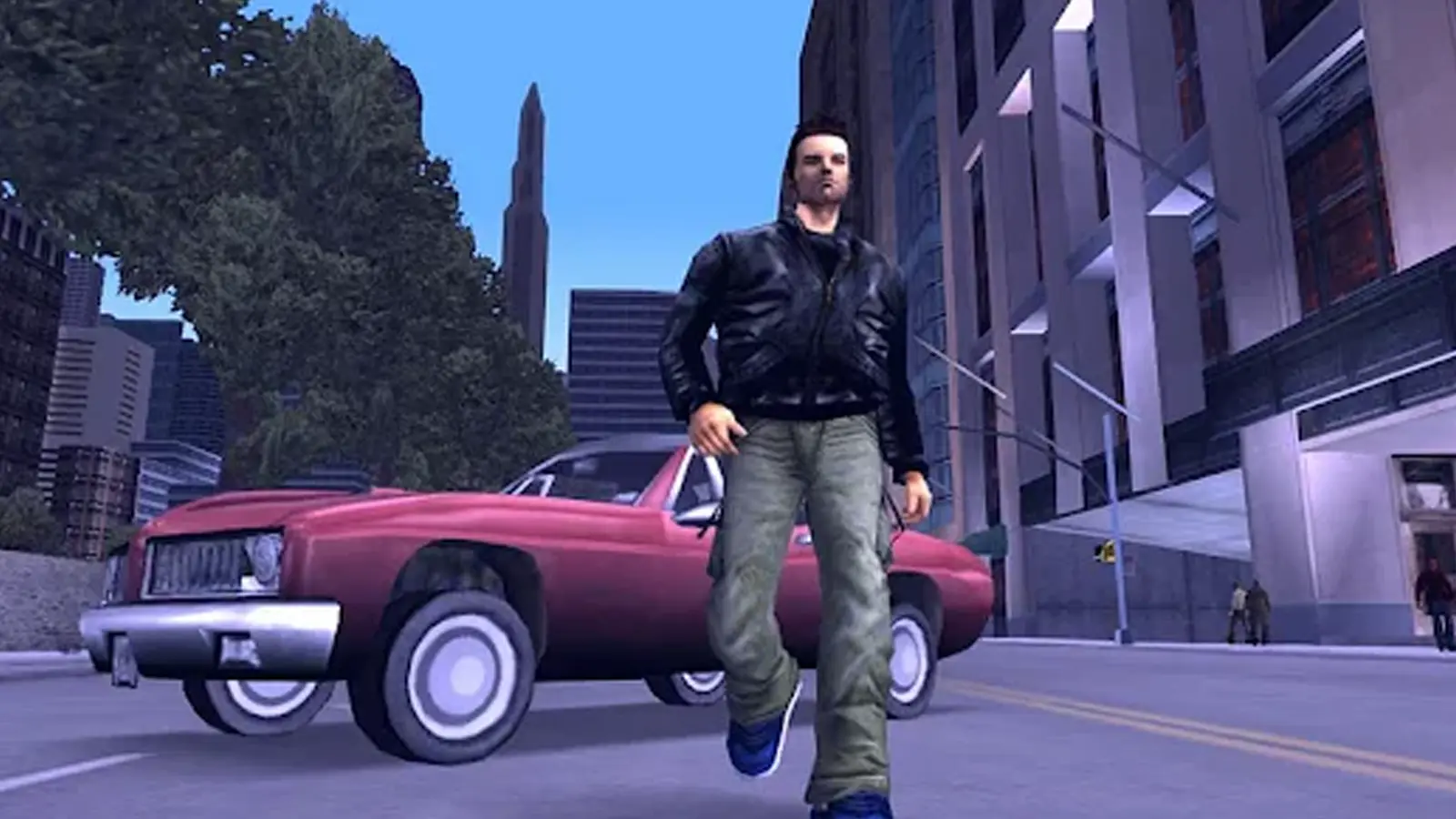
Photo: Rockstar Games
File 093 is the “Big Bang” of modern gaming. Every open-world title we play in 2026—from Cyberpunk to the latest GTA—is a direct descendant of the technical risks Rockstar took in 2001. They took a limited piece of hardware and used a clever engine to simulate a reality that was previously deemed impossible.
The Archival Staple
Featured Photo: Rockstar Games
RELATED: [THE FILES 066] | Grand Theft Auto (1997): The Glitch That Built an Empire
Author Bio
Jael Rucker is the founder of Decked Out Magazine. She has previously worked as the Associate Commerce Editor at PureWow, focusing on analytics and trends to pitch stories and optimize articles that build and engage their audience. Her work has also been seen in Footwear News and WWD. Prior to 2024, she was the style and pop culture editor at ONE37pm for over three years, contributing numerous product reviews, brand profiles and fashion trend reports, which included interviewing Steph Curry, Snoop Dogg and more.