The History
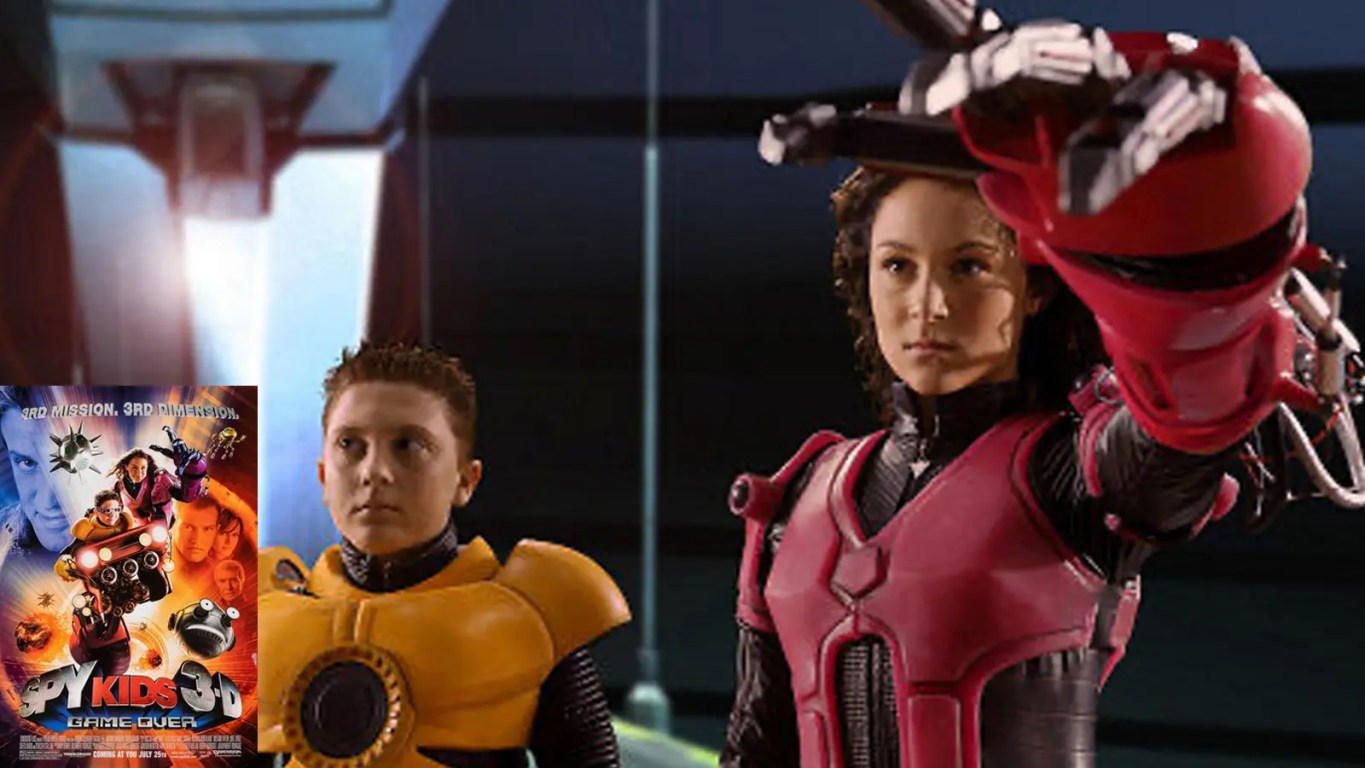
In the summer of 2003, the commercial cinema industry witnessed an aggressive, early-stage deployment of virtual reality aesthetics and digital stereoscopic processing. Directed by Robert Rodriguez, Spy Kids 3-D: Game Over served as a massive mechanical test site for experimental independent blockbuster production techniques. Operating as the first major studio 3-D theatrical deployment since the early 1990s, the film required audiences to utilize classic red-and-cyan anaglyph paper optics to navigate its virtual environments. Filmed almost entirely within a hyper-dense green screen matrix at Troublemaker Studios over a compressed window, roughly 90% of the completed master file consisted of early-stage digital rendering environments representing the interior coding of the fictional video game ‘Game Over’. To compensate for the structural displacement of the primary Cortez family assets, Rodriguez integrated an unprecedented system array of star-powered cameos. Sylvester Stallone was weaponized as the main systemic antagonist, playing four separate fractured personality avatars of the Toymaker, while pop icons ranging from George Clooney and Elijah Wood to Selena Gomez and Salma Hayek popped up as quick interface cameos across the digital landscape.
The Numbers
The financial tracking ledger and distribution conversion metrics for the Game Over framework represent the highest-grossing commercial peak of the original independent franchise node. Deployed across domestic sectors on July 25, 2003, the title shattered previous system trends by pulling a commanding $33.4 million opening weekend box office take from 3,344 theaters—ranking first nationwide. Managed on a lean, highly optimized production layout of only $38 million due to Troublemaker Studios’ localized internal rendering pipeline, the film cleared an incredible $111.7 million domestically and added $56 million from international sectors for a grand worldwide cumulative gross of $167.8 million. Beyond theatrical ticket loops, the asset established a historic physical distribution blueprint during the home media era. Original 2004 two-disc collector’s edition DVD packages featured four sets of custom-branded 3-D glasses, packaging the non-removable stereoscopic mix alongside a standard 2D track. Today, pristine copies of these original multi-pack sets and vintage theatrical display lenses are highly protected pieces of hardware among physical media archivists, commanding values of $15.00 to $25.00 USD.
The Verdict
“A fascinating, chaotic time capsule that captures the absolute turning point of the digital cinema revolution. While the red-and-cyan anaglyph effects were notoriously headache-inducing, Rodriguez’s radical reliance on a 90% virtual green-screen pipeline and a massive star-studded cameo database manufactured a lucrative blueprint that predicted the modern, CGI-dominated blockbuster mainframe.”
The Trailer
A Still from the Movie
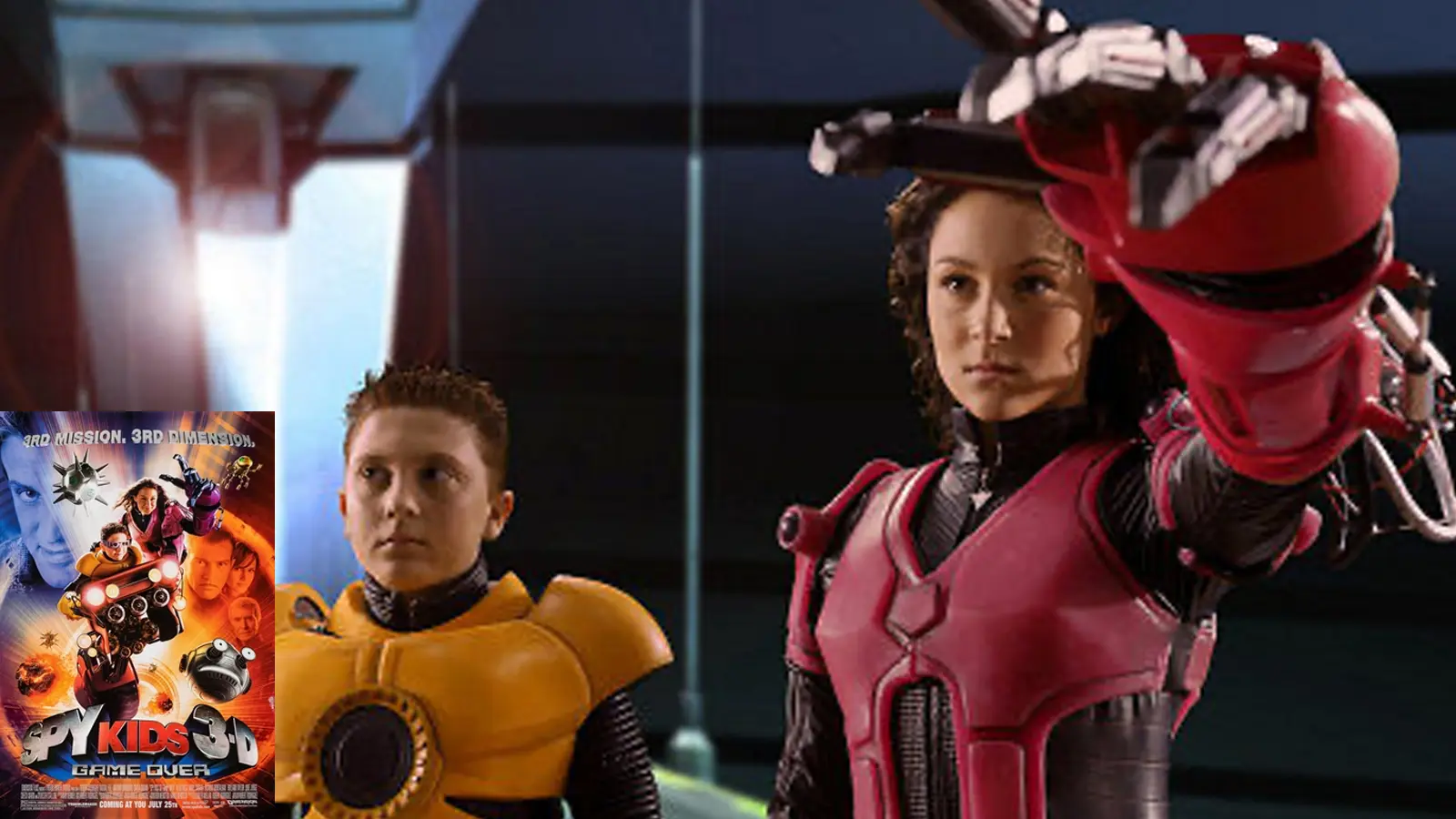
Photo: Miramax
RELATED: [THE FILES] 009: Spy Kids (2001)
RELATED: [THE FILES] 109: Spy Kids 2: Island of Lost Dreams (2002)