
The History
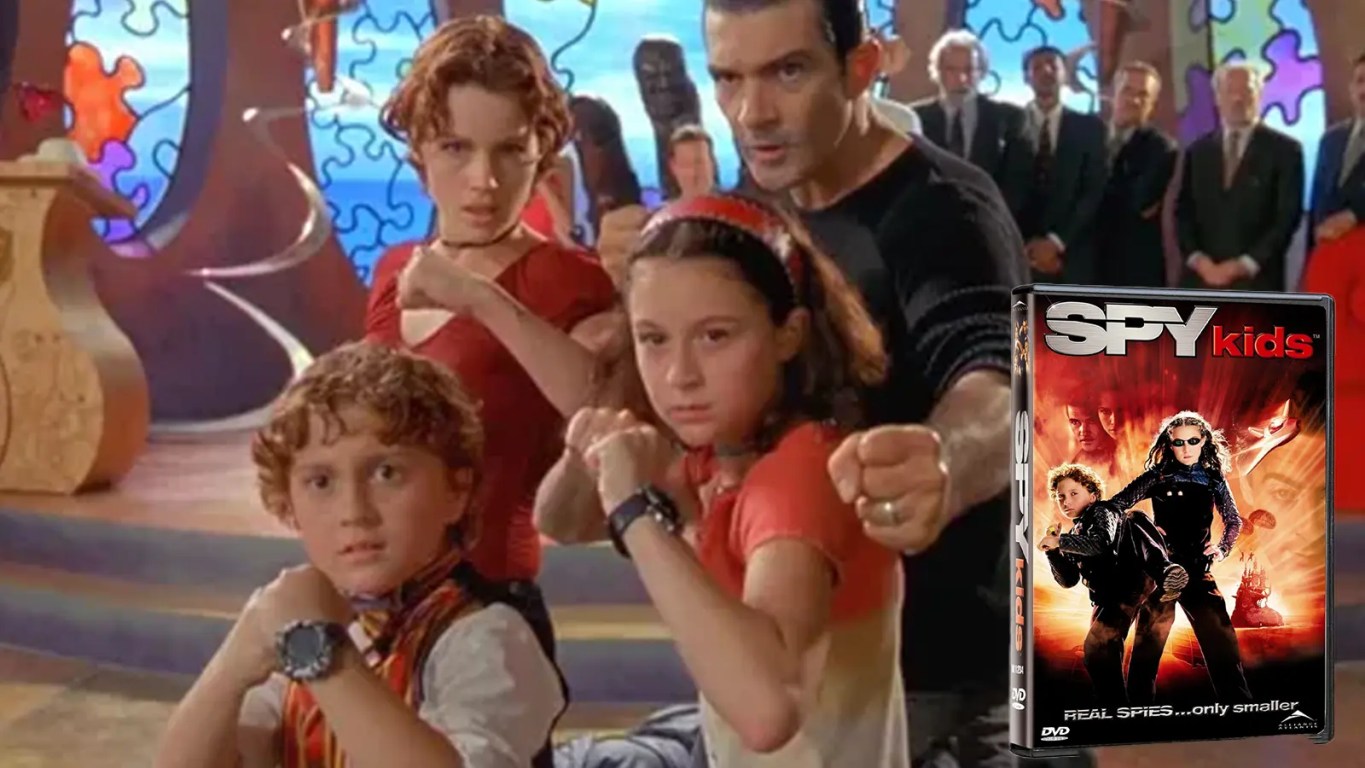
In the spring of 2001, an independent, high-fidelity heist was executed against the traditional Hollywood studio production framework. Orchestrated by auteur Robert Rodriguez under his signature Rebel Without a Crew technical blueprint, the original Spy Kids bypassed corporate lot overhead by routing all operations through Troublemaker Studios—a retrofitted old airport hangar facility based in Austin, Texas. While contemporary blockbusters squandered massive budgets on traditional physical setups, Rodriguez optimized a lean $35 million allocation into a stunning $100 million visual experience by operating simultaneously as director, editor, cinematographer, and visual effects supervisor to squeeze over 500 post-production shots into the master file. While completing final post-production assets at Skywalker Ranch, a historic technical transition occurred: George Lucas invited Rodriguez to evaluate early high-definition digital hardware tests. This crucial interaction prompted Rodriguez to abandon physical 35mm film gates entirely for subsequent iterations, pivoting directly to the pioneering Sony HDW-F900 digital camera arrays. Furthermore, by defending the foundational Latino cultural architecture of the Cortez family DNA against studio homogenization and soft-launching Danny Trejo’s iconic Isador Machete Cortez character, Rodriguez engineered a highly cross-genre cinematic multiverse layout long before it became a commercial industry standard.
The Numbers
The commercial spreadsheet ledger and subsequent secondary physical asset indices for the original 2001 OSS framework record a massive domestic and international market takeover. Upon its formal theatrical deployment on March 30, 2001, the asset commanded immediate market dominance, securing the number-one spot with a stellar $26.5 million opening weekend. The property demonstrated exceptional box office legs, accumulating an incredible $112.7 million across domestic sectors and driving past a grand $147.9 million cumulative worldwide theatrical gross. This massive financial performance instantly established a highly lucrative global entertainment franchise. Today, pristine physical media copies—audited specifically for their original 5.1 Surround Sound mixes and classic 1.85:1 theatrical aspect ratios—are recognized as crucial hardware nodes by vintage media preservationists tracking the historic transition from physical film print runs to the early digital mastering era. Across specialized collector registries and digital media hubs, verified archival editions of these physical assets hold steady secondary market values of $13.00 USD.
The Verdict
“A brilliant, hyper-efficient structural masterpiece that represents far more than an inventive family adventure. By weaponizing a garage-built startup philosophy to comfortably out-scale multi-million dollar corporate studio pipelines, Robert Rodriguez manufactured an immortal independent cinematic blueprint that permanently democratized the tools of modern filmmaking history.”
The Trailer
Video #2
The Archival Staple

Spy Kids (2001)
Photo: Amazon
Trust me when I say that it’s important to own physical copies of classics.
Technical Disclaimer: “I am an independent archivist and tech reviewer. As an Amazon Associate, I earn from qualifying purchases made through links in this file. This specific DVD release of Spy Kids (2001) is audited for its original 5.1 Surround Sound mix and 1.85:1 theatrical aspect ratio. This link is provided for collectors seeking the authentic, physical ‘Mastering Signature’ of Robert Rodriguez’s original Troublemaker Studios production, ensuring you are receiving the verified archival version of this cinematic blueprint.”
Featured Photo: Troublemaker Studios; Amazon
![[THE FILES] 281 : The X-Files (1998)](https://deckedoutmagazine.com/wp-content/uploads/2026/06/the_x_files_history_hero_image.webp)

![[THE FILES] 280 : Contact (1997)](https://deckedoutmagazine.com/wp-content/uploads/2026/06/jodie_foster_contact_history_hero_image.webp)

[THE FILES] 009: Spy Kids (2001) OSS Architecture
![[THE FILES] 009 : Spy Kids (2001) -](https://deckedoutmagazine.com/wp-content/uploads/2026/02/spy_kids_2001_film_dvd_white_background-300x169.webp)
An archival deep-dive into Robert Rodriguez’s ‘Spy Kids’ (2001). Auditing the garage-built industrial efficiency, the Skywalker digital pivot, and the Cortez legacy.
Product Brand: Decked Out Magazine
Product In-Stock: InStock
4.5