The History
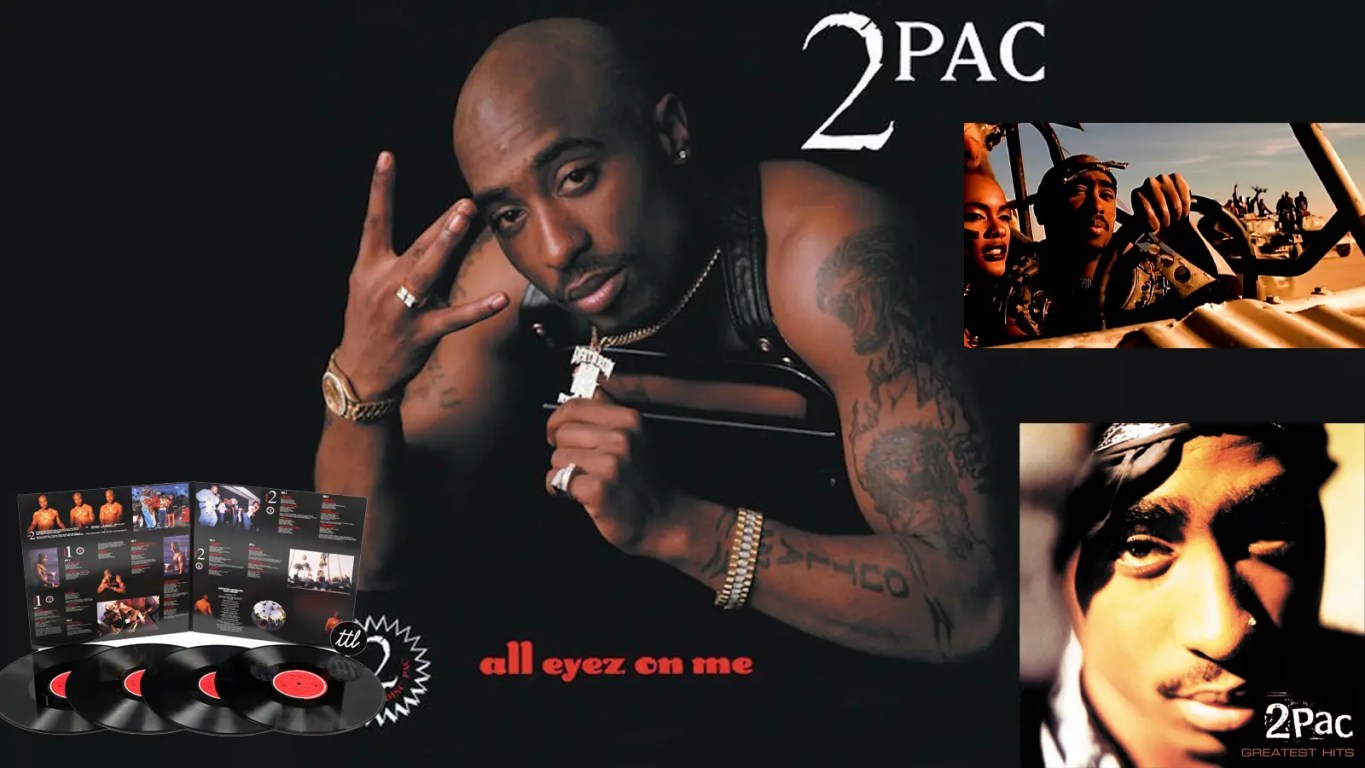
The definitive mid-90s “Death Row Sound” was not built on the gritty, sample-heavy, lo-fi textures that defined East Coast boom-bap. Instead, File #008 logs a structural transition into an era of high-fidelity luxury audio, anchored completely inside the tracking rooms of Can-Am Recorders in Tarzana, California. The mechanical spine behind Tupac Shakur’s 1996 masterwork, All Eyez on Me, relied on a premium, massive Neve VR Legend mixing console. The Neve’s high-end preamps provided a distinct, natural analog harmonic saturation. This allowed the deep Moog synthesizer basslines engineered by Johnny “J” and Daz Dillinger to hit with extreme force while sitting perfectly beneath Tupac’s frantic vocal delivery without muddying the track’s lower frequencies. Tupac’s legendary workflow inside Can-Am was notoriously relentless. Operating like a high-speed production factory, he frequently commandeered multiple studio rooms simultaneously. Engineers prepped tracks on Studer A827 24-track analog tape machines in one suite while Tupac laid down crisp vocal chains using classic Neumann U87 and AKG C12 microphones in the other, completing an unprecedented 27 album tracks in an incredibly compressed, multi-room parallel-processing blitz.
The Numbers
The mechanical signal processing and secondary retail metrics for hip-hop’s first diamond-certified double album demonstrate historical acoustic durability. To bridge the gap between street level rap and audiophile luxury production, the album was mastered by legendary engineer Brian “Big Bass” Gardner at Bernie Grundman Mastering. Utilizing custom-built, discrete solid-state electronics, Gardner tightened the sub-bass frequencies while immaculately preserving mid-range vocal clarity, carving out a specialized sonic blueprint that guaranteed a “radio-ready” punch. Released on February 13, 1996, the album shifted 566,000 copies in its first tracking frame, eventually scaling past 10,000,000 units shipped globally. Today, the archival footprint of this tracking infrastructure continues to surge in value among hardware and physical media preservationists. Original 1996 first-pressing 2CD fat-jewel cases are highly prized, while premium modern 4LP 180g high-fidelity gatefold vinyl reissues command a premium retail price tag of $80.00 USD directly through the official 2Pac archival storefront.
The Verdict
“The undisputed high-water mark for analog West Coast G-Funk. By pushing the boundaries of parallel multi-room recording and harnessing the warm harmonic saturation of the Neve VR console, All Eyez on Me engineered an architectural luxury audio system that has never been eclipsed.”
Listen
The Archival Staple
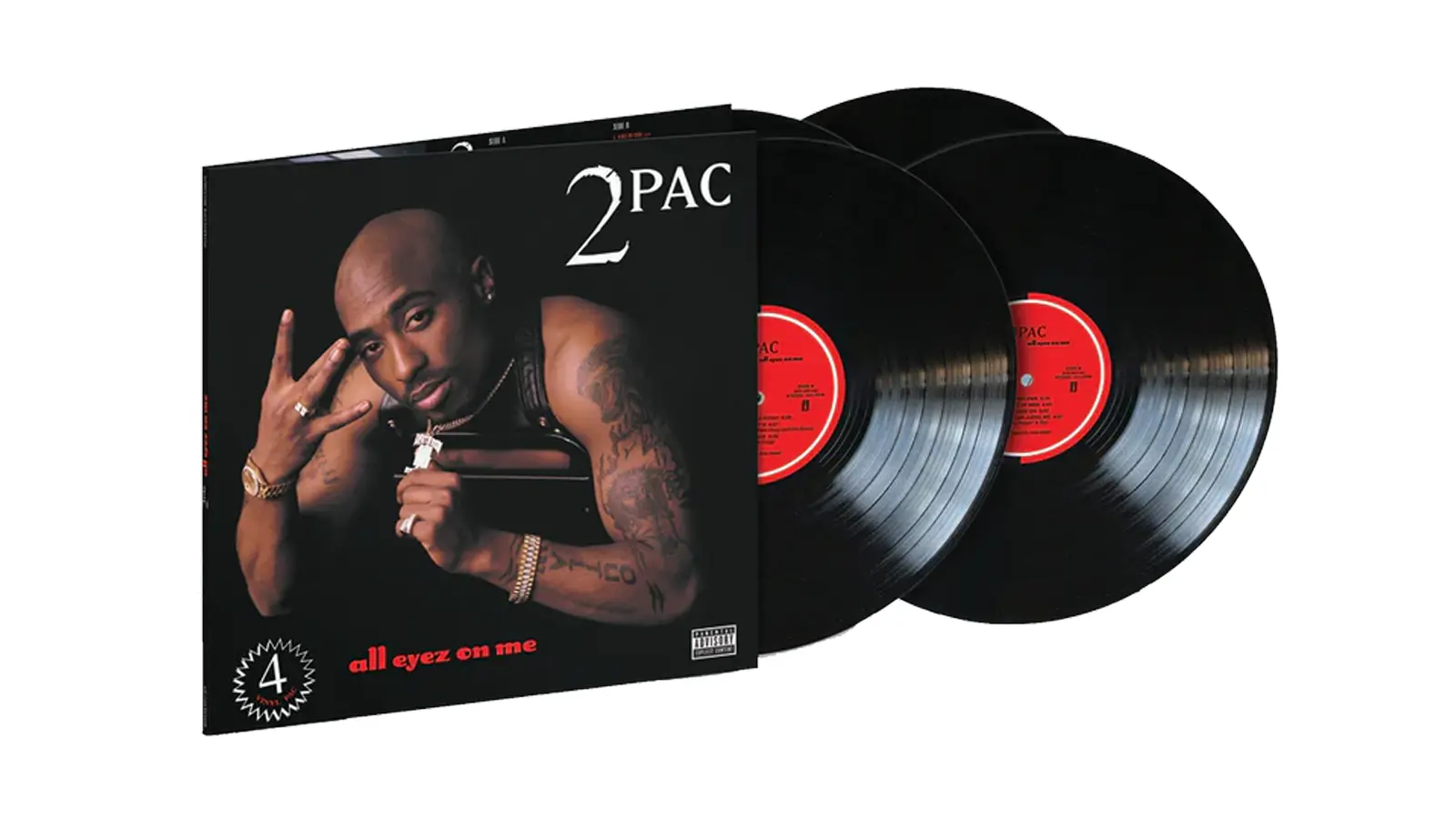
Featured Photo: 2Pac Store, Death Row Records
[THE FILES] 008.1: The Visual System: Tupac’s ‘California Love’
Author Bio
Jael Rucker is the founder of Decked Out Magazine. She has previously worked as the Associate Commerce Editor at PureWow, focusing on analytics and trends to pitch stories and optimize articles that build and engage their audience. Her work has also been seen in Footwear News and WWD. Prior to 2024, she was the style and pop culture editor at ONE37pm for over three years, contributing numerous product reviews, brand profiles and fashion trend reports, which included interviewing Steph Curry, Snoop Dogg and more.