- The Release: October 29, 2002.
- The Hardware: PlayStation 2 (Initial Release).
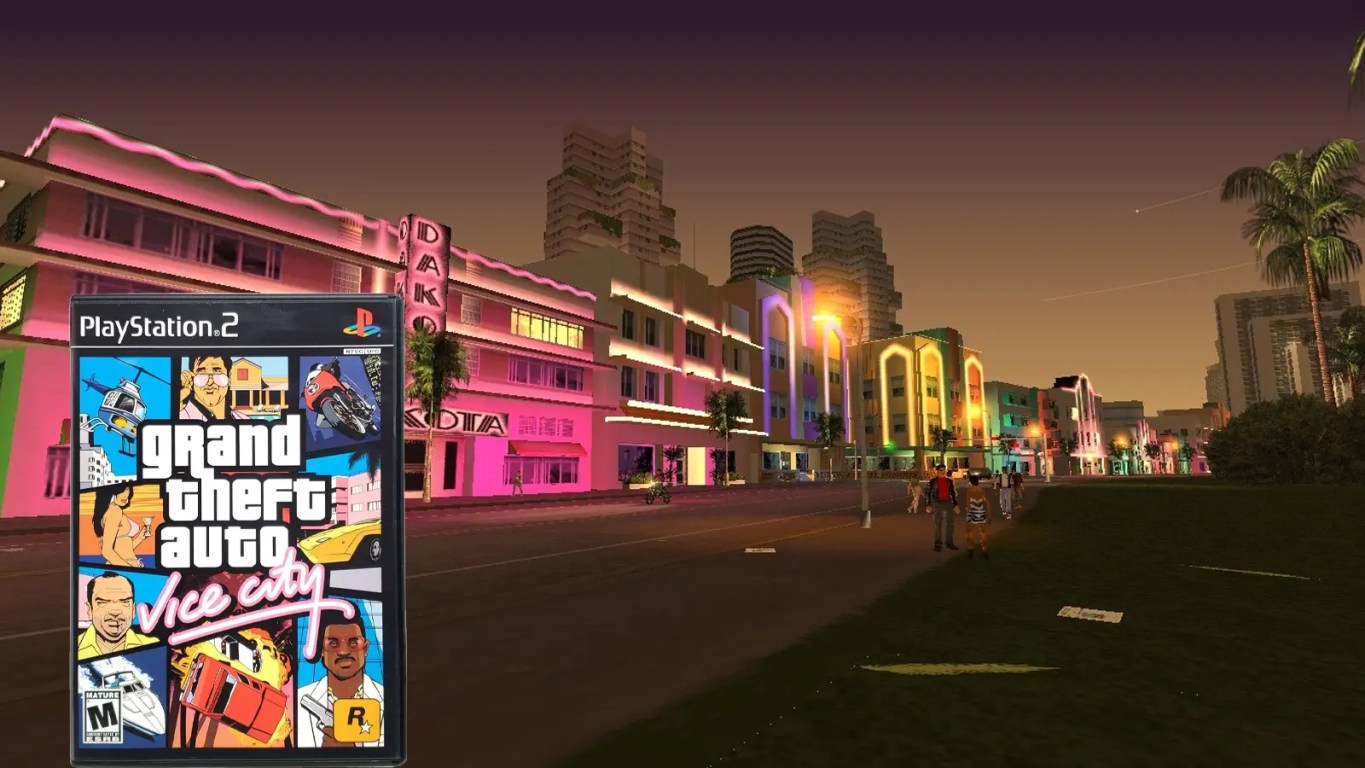
- The OS: A neon-soaked, 1986-inspired open world modeled after Miami.
- The Processor: Tommy Vercetti (voiced by Ray Liotta), the first fully voiced protagonist in the series.
- The Impact: Sold 17.5 million units, becoming the best-selling game of 2002 and redefining the “Soundtrack” as a gameplay mechanic.
If GTA III was the proof of concept, Vice City was the polished, high-fidelity “System Update.” Released only one year after its predecessor, File 099 represents the moment video games transitioned from mere toys to total cultural simulators. Vice City didn’t just play the 80s; it installed the 80s into the minds of a generation that wasn’t even born yet, which means it is the next file entry in our library.
RELATED: [THE FILES] 093 | Grand Theft Auto III (2001) – The 3D Open World Genesis
Table of Contents
The Sonic Engine: The Radio Station Protocol
Vice City’s greatest achievement wasn’t the gunplay—it was the 7-station radio dial. * The Integration: Rockstar Games licensed over 100 tracks from artists like Michael Jackson, Hall & Oates, and Iron Maiden. This wasn’t just background noise; it was “Environmental Hardware.”
- The Vibe Shift: Stations like Flash FM and Wave 103 created a 1:1 emotional sync with the player. Driving a Cheetah down Ocean Drive while “Billie Jean” played created a core memory for many users, proving that music alone can carry a game’s narrative.
The Vercetti Protocol: Giving the Machine a Voice
- The Lead: By casting Ray Liotta (Goodfellas), Rockstar bridged the gap between Hollywood cinema and digital interaction.
- The Narrative: The story—heavily inspired by Scarface and Miami Vice—followed Tommy Vercetti’s rise from a “street-level grunt” to the “head honcho” of a criminal empire. This gave players a sense of “Asset Ownership” that was previously unheard of in open-world games.
The Aesthetics: The Miami Vice Firmware
The visuals of Vice City turned the PS2’s technical limitations into an artistic choice.
- The Color Palette: The “Hardware” relied on bright pinks, turquoises, and oranges—shifting the series away from the grimy, gray “Liberty City” OS.
- The Fashion Patch: Hawaiian shirts, pastel suits, and white Ferraris. The game created a “Retro-Futurist” obsession that influenced fashion, film, and music (like the 2020s “Synthwave” revival) decades after its release.
The ‘Decked Out’ Verdict
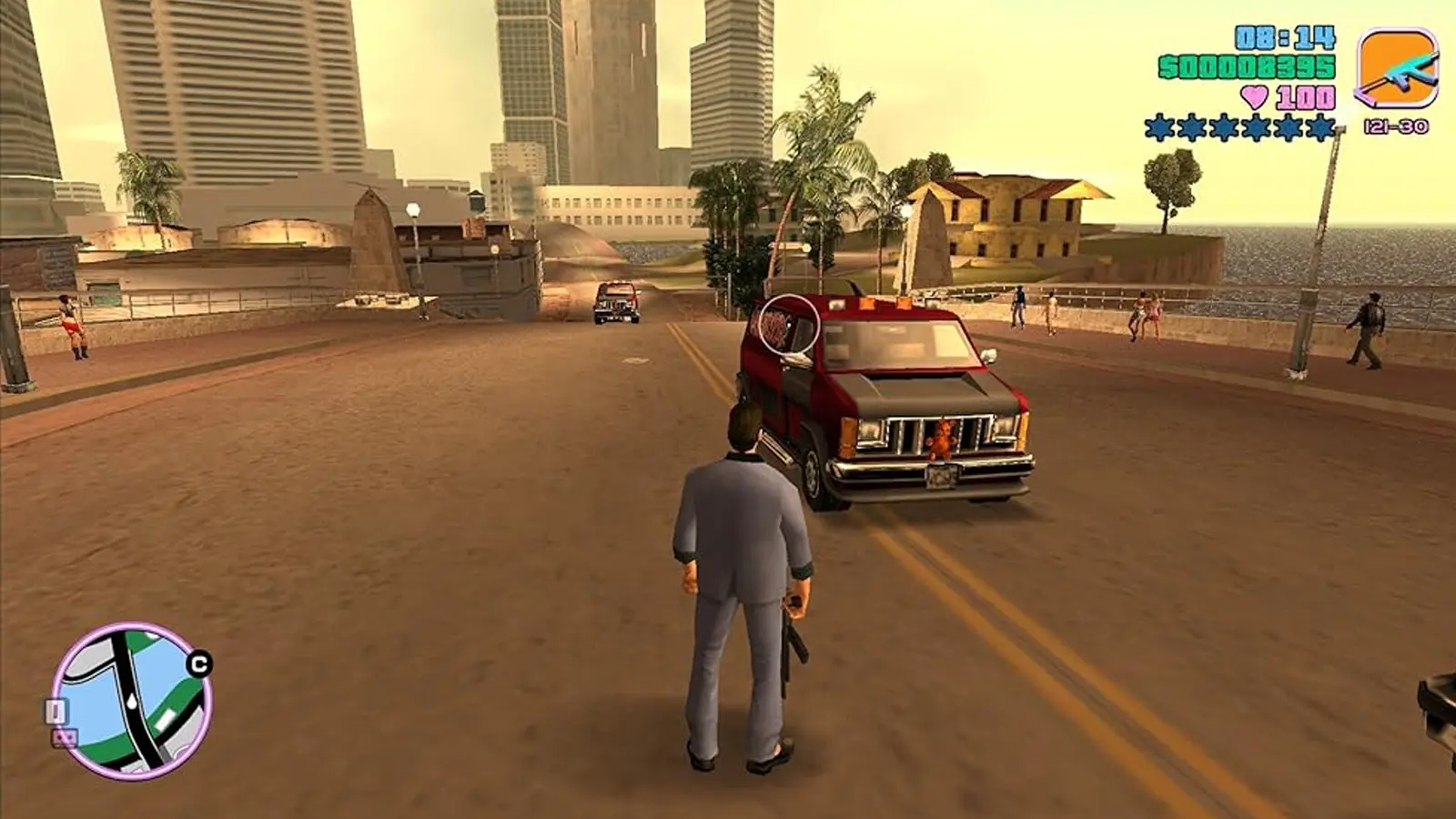
Photo: Rockstar Games
Looking back from 2026, Vice City is the clear ancestor of the upcoming GTA VI. It was the first time a game felt like a living, breathing time capsule. It proved that if you build a world with enough “Soul” and the right “Soundtrack,” players will never want to log out.
The Archival Staple
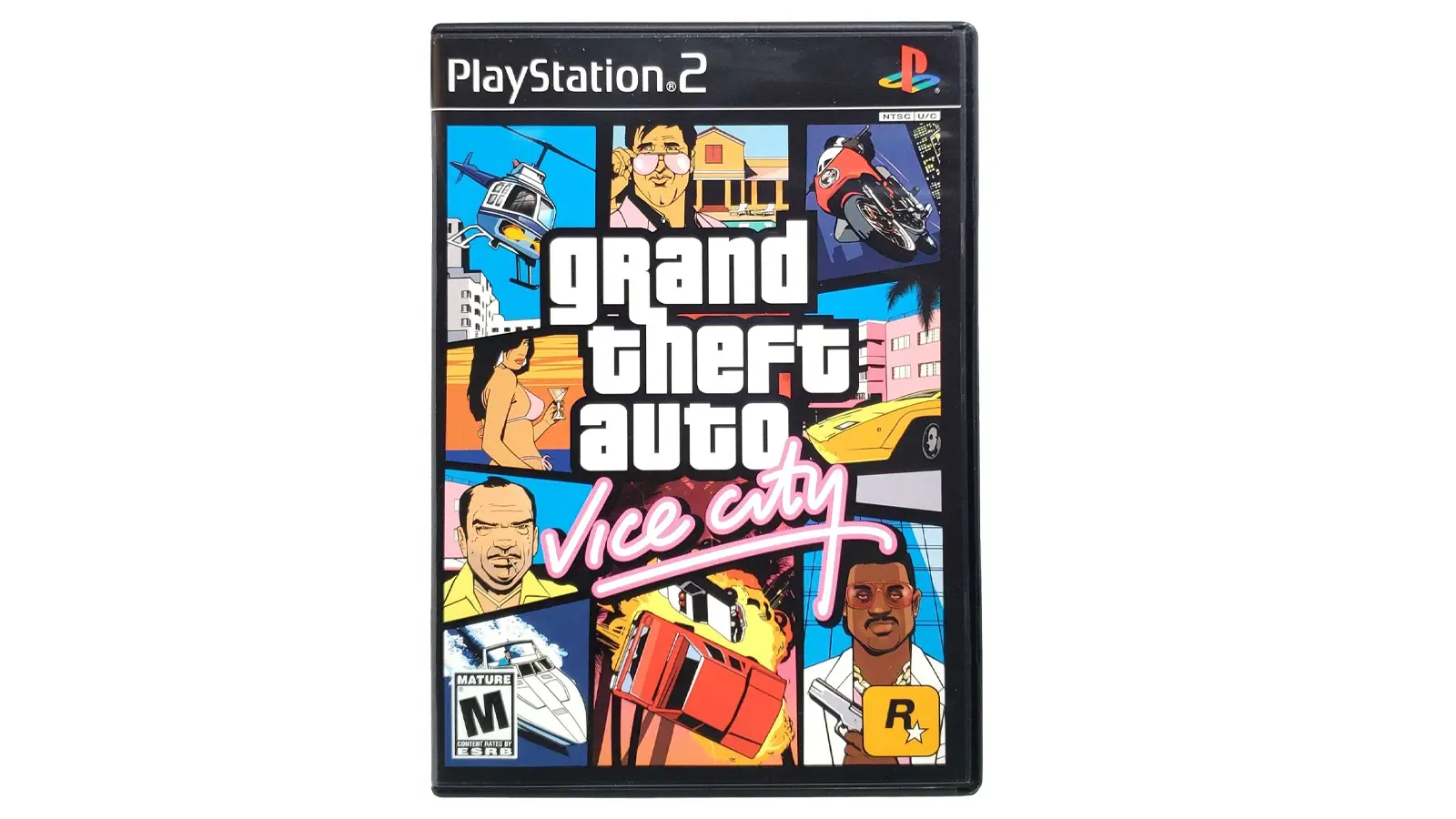
*As an eBay partner, we earn commission from this link, which allows us to keep expanding our library.*
Featured Photo: Rockstar Games
RELATED: [THE FILES 066] | Grand Theft Auto (1997): The Glitch That Built an Empire
RELATED: [THE FILES] 078 | The Technical Profile of ‘Grand Theft Auto 2’ (1999)
Author Bio
Jael Rucker is the founder of Decked Out Magazine. She has previously worked as the Associate Commerce Editor at PureWow, focusing on analytics and trends to pitch stories and optimize articles that build and engage their audience. Her work has also been seen in Footwear News and WWD. Prior to 2024, she was the style and pop culture editor at ONE37pm for over three years, contributing numerous product reviews, brand profiles and fashion trend reports, which included interviewing Steph Curry, Snoop Dogg and more.