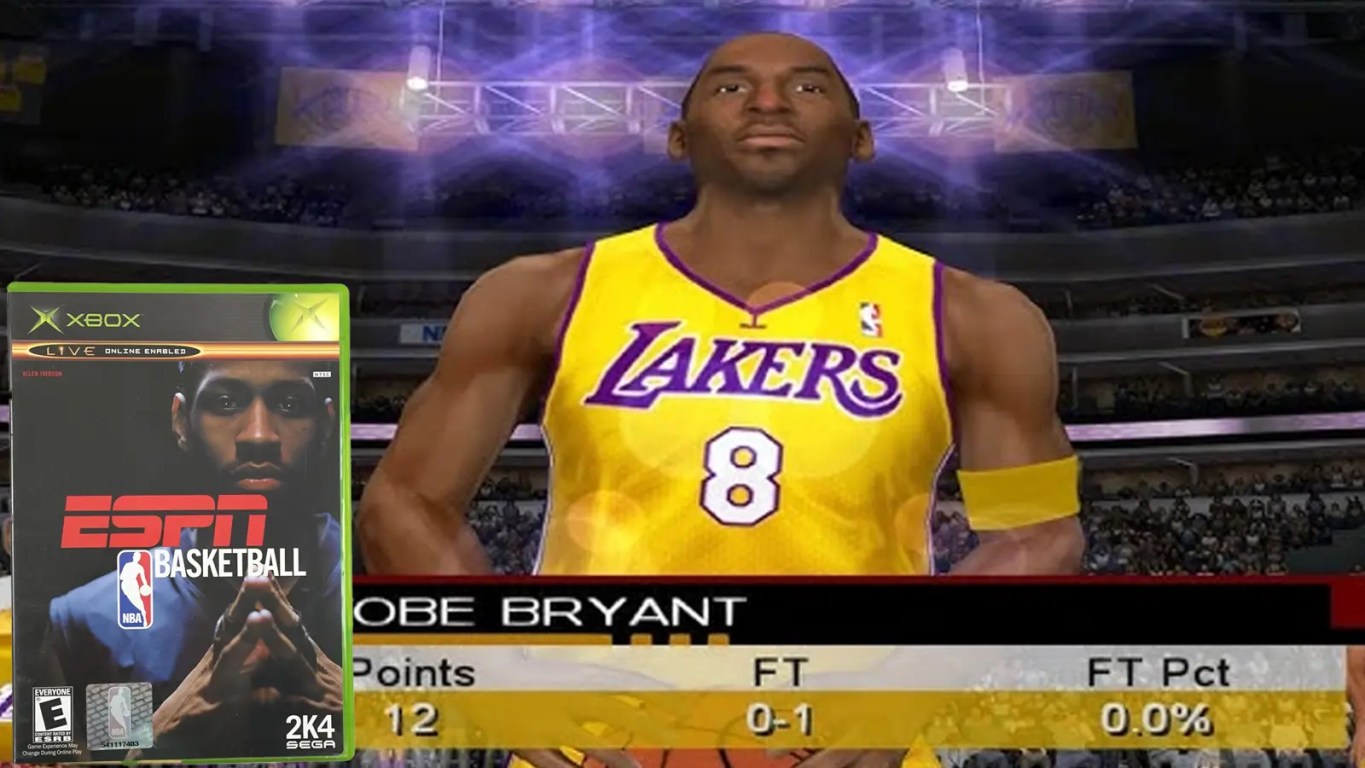
Released in late 2003 for the PlayStation 2 and Xbox, ESPN NBA Basketball, aka NBA 2K4, was more than just a sequel to NBA 2K3—it was a total structural rebuild. Marking the first time the “2K” branding was dropped in favor of the full ESPN license, the game introduced a broadcast-quality interface that still rivals modern titles. Today, we audit the “Isomotion” system and the legendary “24/7 Mode” that turned a sports sim into a digital lifestyle.
ESPN NBA Basketball is the next file to be entered into our library.
RELATED: [THE FILES] 031 | The ESPN Broadcast Engine: A Technical Review of NBA 2K3
The Engineering: The Isomotion Breakthrough
Before 2004, dribbling in basketball games was largely a series of canned animations. Visual Concepts changed that by introducing the Isomotion System.
- The Right-Stick Interface: For the first time, the right analog stick was decoupled from shooting and dedicated entirely to ball-handling. This allowed players to perform crossovers, hesitations, and “ankle breakers” with technical precision, mapping the player’s physical input directly to the character’s momentum.
- Physics over Scripting: Unlike its competitors at the time, the Isomotion engine utilized a “Physics-First” approach. Dribble moves weren’t just visual flares; they shifted the character’s center of gravity, meaning a mistimed crossover would leave the defender out of position but also risk a “Charging” penalty for the offensive player.
- Pro-Hop Mechanics: The game also refined the “Pro-Hop” and “Power-Up” animations, allowing for more realistic interior finishes for high-attribute players like the cover athlete, Allen Iverson.
The Mechanics: The 24/7 Lifestyle Engine
One of the most innovative features, however, was 24/7 Mode, the spiritual ancestor to modern “MyCareer” modes.
- The Cell Phone Mechanic: Defeating “Bosses” (NBA Stars) allowed you to “store their contact info” in your digital cell phone, enabling you to call them in as teammates for future 2-on-2 or 3-on-3 matchups—a brilliant layer of social engineering for a single-player mode.
- The Real-Time Clock: The mode utilized the console’s internal clock to trigger specific “Special Events” and “Boss Challenges” based on the actual time of day. If you played at 4:00 AM, the atmosphere and competition reflected the “late-night grind” culture.
- RPG Infrastructure: Players created a custom baller and traveled across the U.S. to iconic street courts. The technical loop involved winning “Focus Challenges” (e.g., Make 5 Dunks without getting blocked) to earn Rank Points and unlock legendary gear.
The Atmosphere: The ESPN Broadcast Logic
- The Visual UI: The game utilized the official ESPN graphics package of 2003/2004, featuring authentic score bugs, stat overlays, and transition wipes. This created a “Television Interface” that made the user feel like they were watching a live broadcast on ABC or ESPN.
- The Audio Engine: Featuring commentary from Bill Fitzgerald and Bill Walton, the audio was programmed to react to the momentum of the game. If the crowd grew loud during an Isomotion crossover, the commentary volume would scale dynamically to match the intensity.
The ‘Decked Out’ Verdict: The 2K Blueprint
ESPN NBA Basketball succeeded because it focused on the “Feel” of the game. By handing the player total control over the dribble through Isomotion and creating a living world in 24/7 Mode, Visual Concepts laid the groundwork for the most dominant sports franchise in gaming history.
The Archival Staple
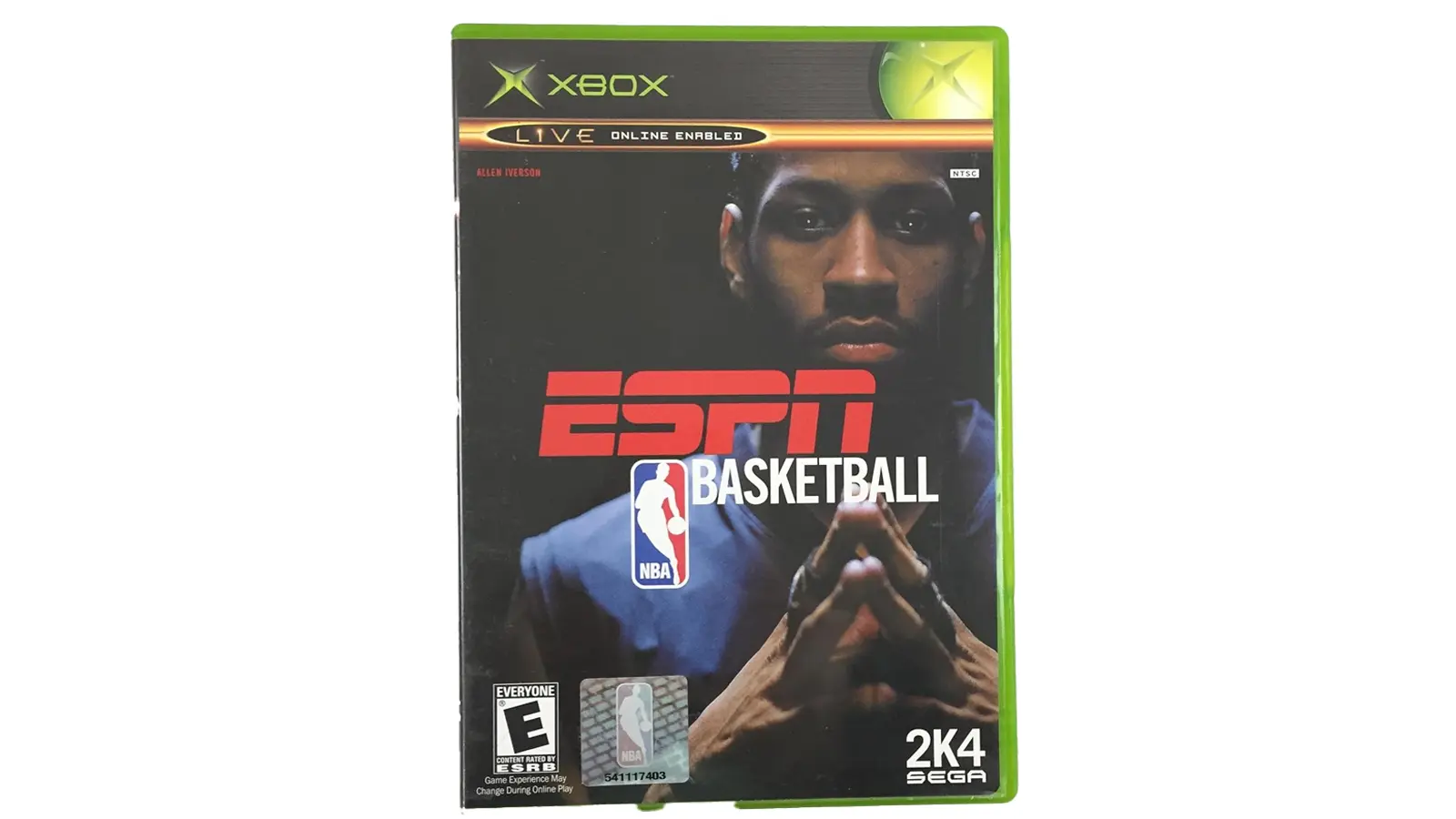
ESPN NBA Basketball 2K4
Photo: Amazon
A physical copy for the OGs.
Featured Photo: Visual Concepts; Amazon
RELATED: [THE FILES] 024 | NBA 2K2 (2001): The Technical Blueprint of the AI Dynasty
RELATED: [THE FILES] 022: NBA 2K1 (2000) – The Architecture of Online Competition
RELATED: [THE FILES] 019: NBA 2K (1999) – The Visual Disruption
Author Bio
Jael Rucker is the founder of Decked Out Magazine. She has previously worked as the Associate Commerce Editor at PureWow, focusing on analytics and trends to pitch stories and optimize articles that build and engage their audience. Her work has also been seen in Footwear News and WWD. Prior to 2024, she was the style and pop culture editor at ONE37pm for over three years, contributing numerous product reviews, brand profiles and fashion trend reports, which included interviewing Steph Curry, Snoop Dogg and more.
![[THE FILES] : Rugrats: Studio Tour (1999 Video Game)](https://deckedoutmagazine.com/wp-content/uploads/2026/06/rugrats_studio_tour_history_hero_image.webp)

![[THE FILES] : Aaliyah – Try Again (2000)](https://deckedoutmagazine.com/wp-content/uploads/2026/06/aaliyah_try_again_history_hero.webp)