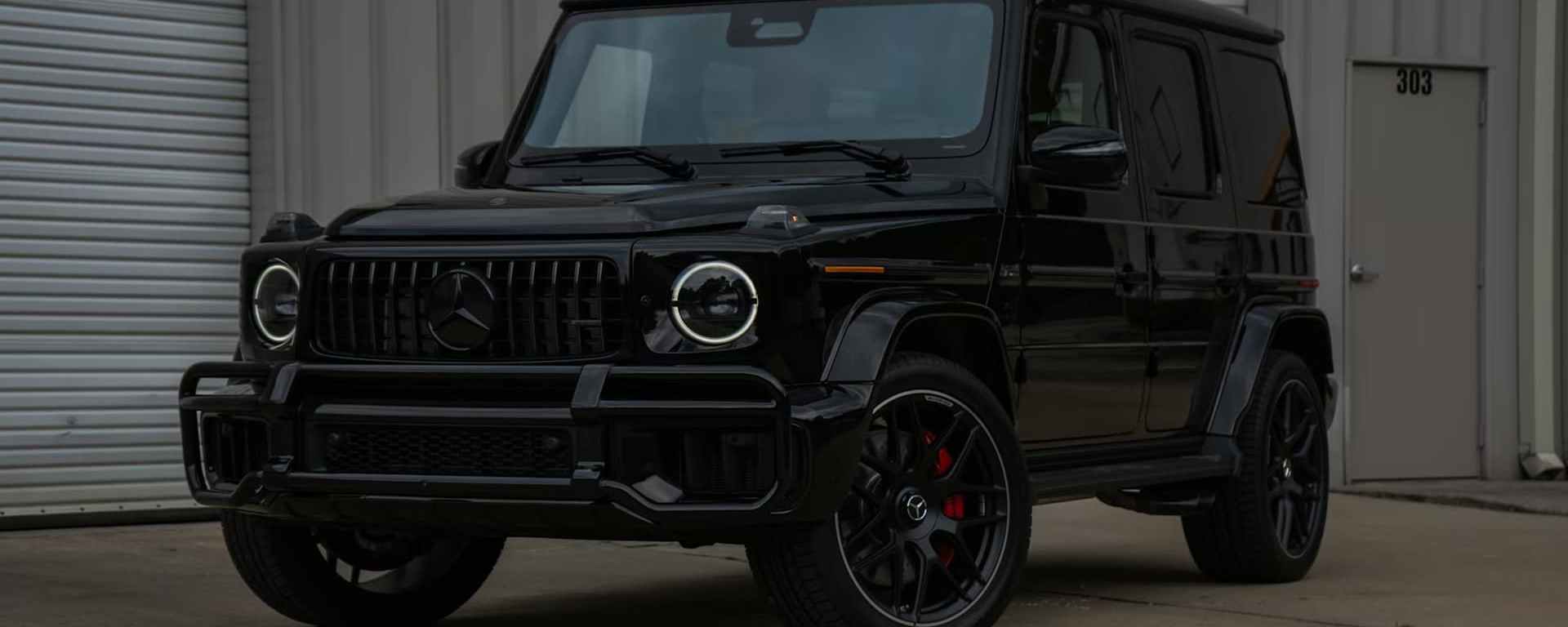
The Mercedes G-Wagon wasn’t designed to be aesthetic. It was designed to survive.
Yet somewhere between tunnel walk arrivals, matte black celebrity fleets, and fashion week curbside photos, the boxy SUV transformed into something else entirely: a cultural shortcut. The G-Wagon doesn’t just move through cities — it signals status before the door even opens.
What started as military engineering is now one of fashion’s most recognizable props, a vehicle that communicates power, exclusivity and arrival in a single silhouette.
RELATED: Why the 2026 Mustang Dark Horse Perfectly Captures Retro-Future Design
Table of Contents
From Utility to Uniform
The G-Wagon began as a military vehicle in the late 1970s. Built for durability, the shape was practical, its edges were blunt and nothing about it suggested fashion.
But culture rarely adopts things for their intended purpose.
The same boxy silhouette that once signaled function now signals something else entirely: permanence. In a luxury market obsessed with sleek curves and aerodynamic redesigns, the G-Wagon has barely changed. That refusal to soften has become the appeal. It feels architectural. Intentional. Expensive.
Consistency became branding.
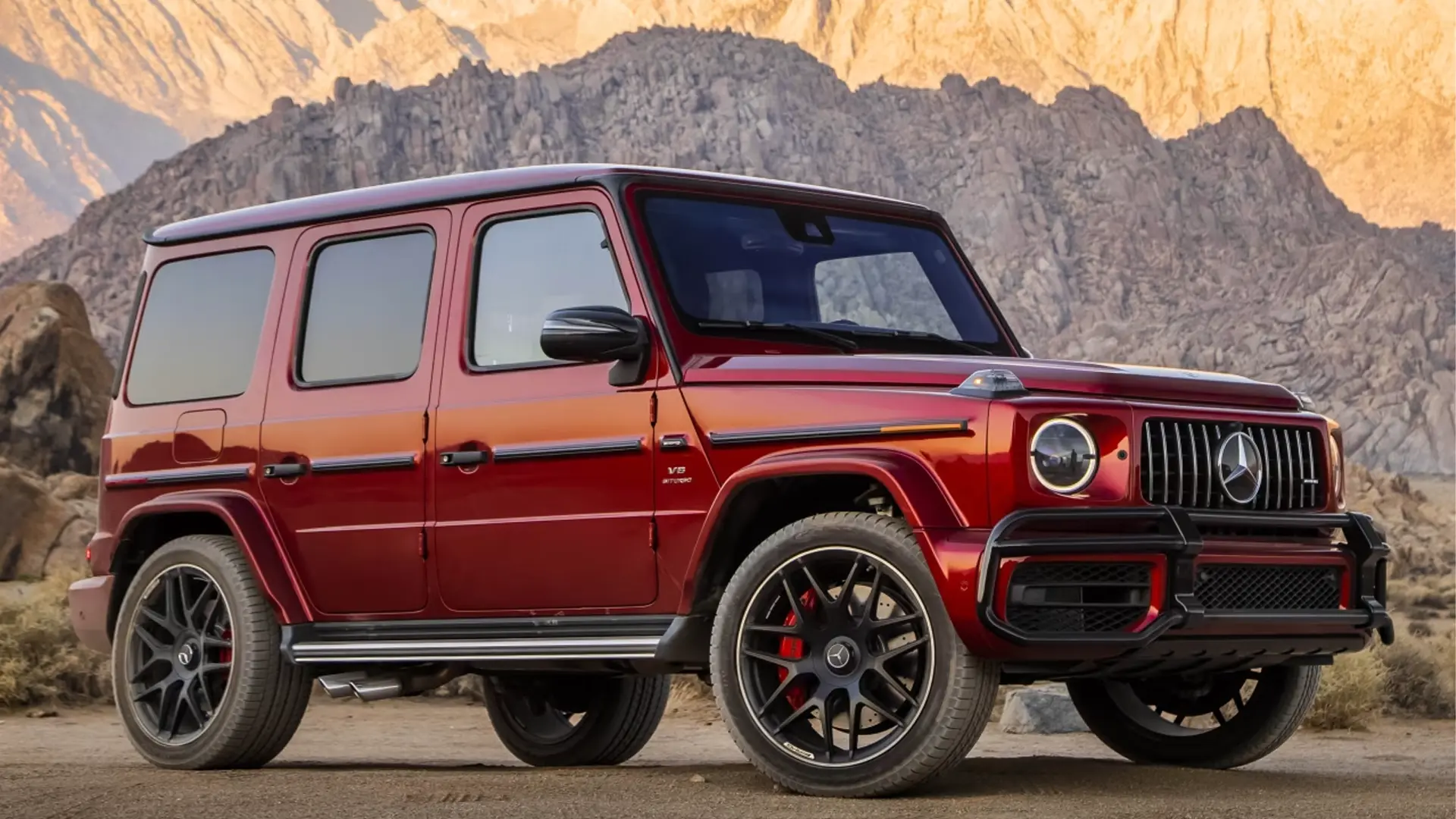
Image: Mercedes G-Wagon SUV in urban fashion context (photo via Mercedes-Benz)
The SUV That Became a Flex
The G-Wagon’s transformation accelerated when it entered the celebrity ecosystem. Rappers referenced it. Athletes arrived to arenas in it. Influencers staged driveway photos around it.
The G-Wagon also photographs well, which matters more than performance specs ever could in this era.
On tunnel walks, especially, the vehicle works like a prelude. Before the outfit is fully visible, before the camera catches the details, the G-Wagon establishes the tone: wealth, dominance, arrival.
It’s not transportation. It’s framing.
Why Fashion Loves the Silhouette
Fashion responds to shape. The G-Wagon’s hard lines mirror tailoring — sharp shoulders, structured coats, exaggerated proportions. It looks intentional in photos. It anchors street style.
Parked outside a show or pulled up to a stadium, it doesn’t compete with the outfit. It reinforces it.
Where other luxury SUVs blend into traffic, the G-Wagon stands apart. Recognition is instant. In an attention economy, instant recognition is currency.
A Cultural Shortcut
The power of the G-Wagon is that it removes ambiguity.
You don’t need context. You don’t need explanation. The signal is immediate.
It says:
- success
- access
- permanence
- control
In a digital landscape where status is often subtle, the G-Wagon is blunt by design. That bluntness reads as confidence.
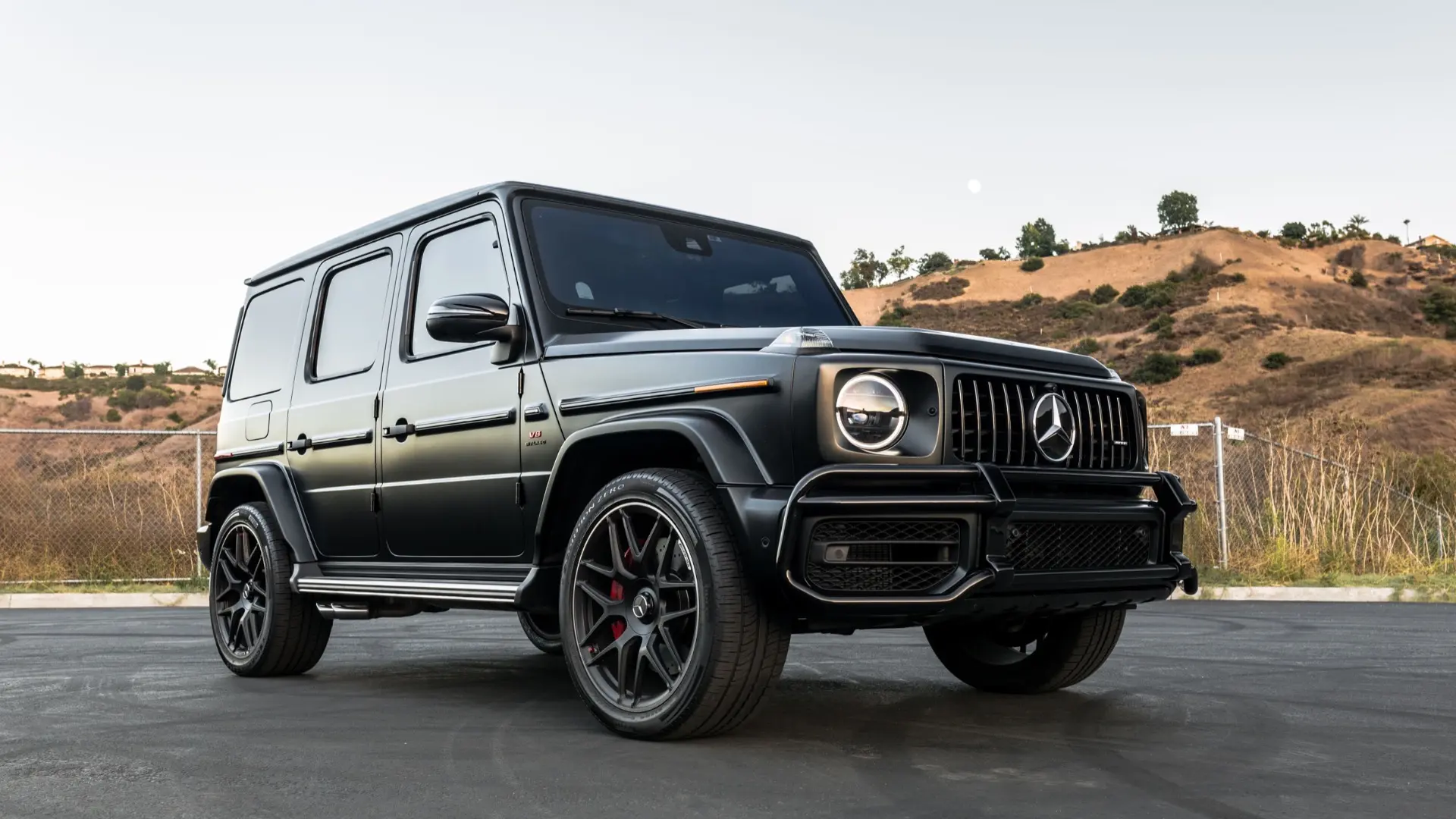
Image: Mercedes G-Wagon SUV in urban fashion context (photo via Mercedes-Benz)
The Moment It Turned
At some point, the G-Wagon stopped being evaluated as a car. It became a cultural object.
Like a signature watch or a designer bag, it functions as an extension of personal branding. It travels through sports, music, fashion and luxury spaces without losing meaning.
And that may be its greatest achievement: not speed, not engineering, but symbolism.
The G-Wagon didn’t chase relevance. Culture handed it over.
Featured Image: Mercedes G-Wagon SUV in urban fashion context (photo via Mercedes-Benz/Unsplash)
RELATED: 50 Years of Taxi Driver: How Travis Bickle Made the M-65 Jacket a Cultural Icon
Author Bio
Jael Rucker is the founder of Decked Out Magazine. She has previously worked as the Associate Commerce Editor at PureWow, focusing on analytics and trends to pitch stories and optimize articles that build and engage their audience. Her work has also been seen in Footwear News and WWD. Prior to 2024, she was the style and pop culture editor at ONE37pm for over three years, contributing numerous product reviews, brand profiles and fashion trend reports, which included interviewing Steph Curry, Snoop Dogg and more.