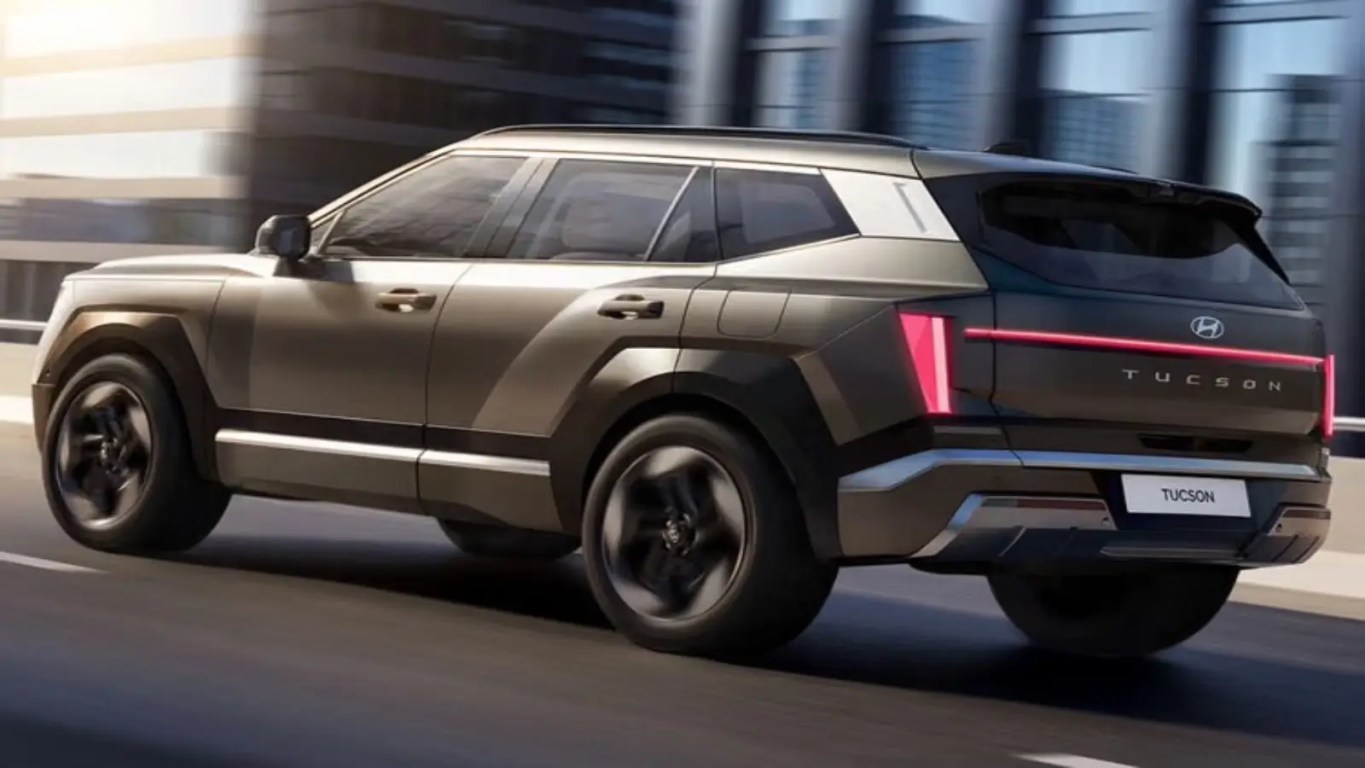
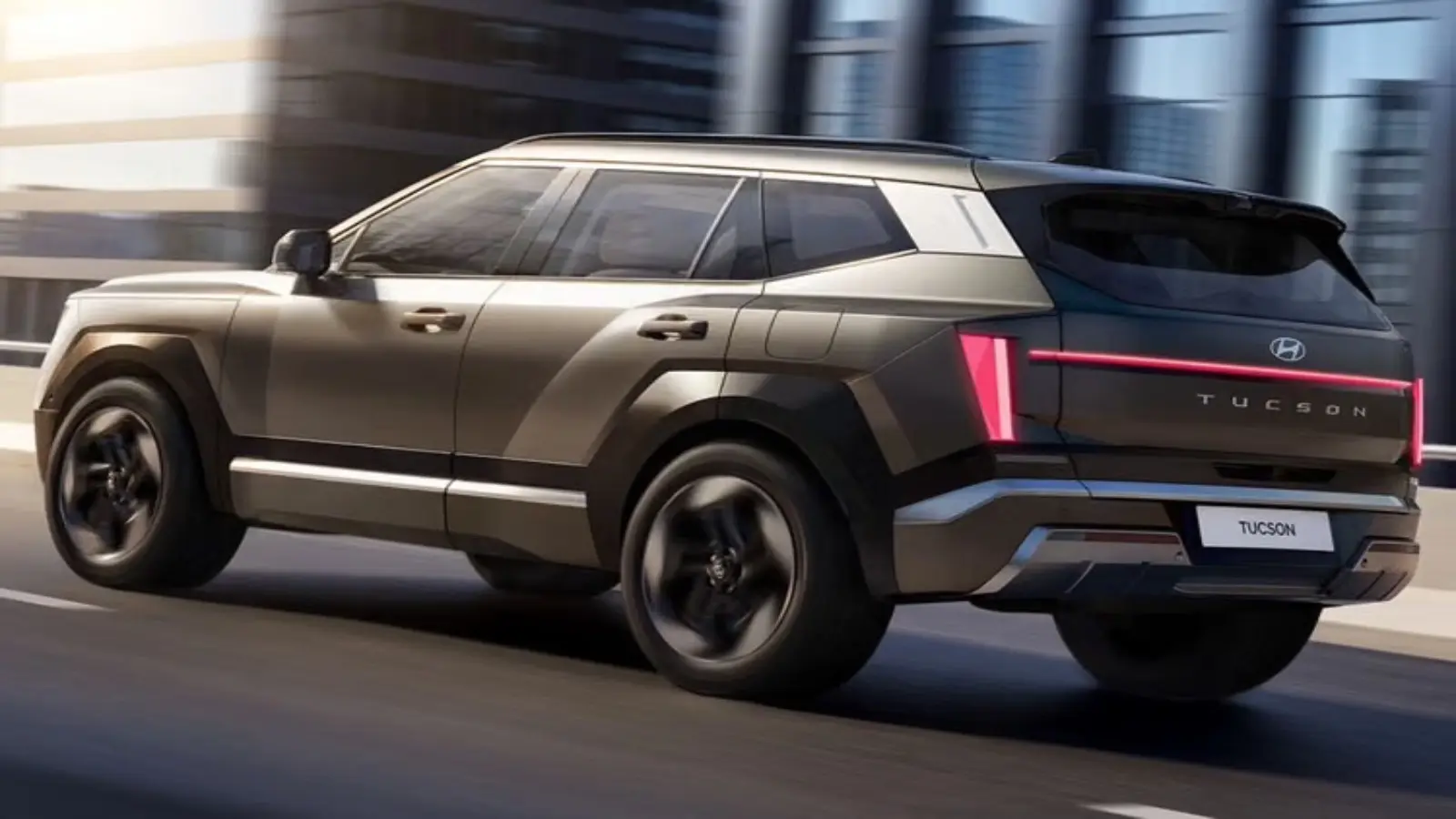
- Radical New Aesthetic: Ditching the soft curves of its predecessor, the fifth-generation 2027 Tucson debuts a boxier silhouette guided by Hyundai’s “Art of Steel” design language.
- Influenced by the Crater Concept: Draws direct inspiration from the recent Crater concept, sporting full-width light bars, vertical H-shaped DRLs, and sharp door-panel angles.
- Expanded Interior Footprint: Measures 185 inches long (up 2.3 inches) with a 109.6-inch wheelbase, providing wider-opening rear doors and increased second-row headroom.
- Next-Gen Cabin Tech: Swaps out the twin curved screens for a single, tablet-style central Pleos infotainment system paired with a slim digital gauge cluster.
- Rugged XRT Variant: Returns with dedicated front and rear bumpers, skid plates, black exterior accents, and touch-sensitive LED tailgate lights.
I don’t own a Hyundai but I’ll never pass up the opportunity to test drive one. Next on wishlist (hint, hint Hyundai) is the 2027 Hyundai Tucson, which is the company’s fifth-generation redesign heavily influenced by the brand’s recent Crater concept. Built around Hyundai’s “Art of Steel” design philosophy, the updated CUV steps into a bolder, boxier era meant to stand out in a crowded market.
Up front, the new Tucson commands attention with a full-width lighting bar paired with vertical H-shaped LED daytime running lights. Indirect lighting creates a soft ambient glow across the three-dimensional front fascia, while squared-off quarter panels, aggressive rocker panels and deep door creases accentuate its muscular profile. Out back, narrow vertical prism lamps protrude three-dimensionally beneath a continuous rear light bar.
RELATED: LeBron James Unveils Bespoke Maybach S 680 Featuring Custom Akron Coordinates
Table of Contents
Crucially, the fifth-generation Tucson has grown to expand cabin usability:
- Overall Length: 185 inches (+2.3 inches over the previous model)
- Wheelbase: 109.6 inches
- Track Width: Expanded by 1.5 inches for enhanced stability
The lengthened roofline and stretched wheelbase give rear passengers over an inch of extra headroom, while wider-opening rear doors make entry and child-seat installation significantly easier.
A Tech-Forward Cabin and Rugged XRT Trim
Inside, Hyundai has completely overhauled the dashboard layout, replacing the former twin-curved screens with a single, centrally-mounted tablet-like Pleos infotainment system. Drivers command the vehicle via a “squircle” four-spoke steering wheel set in front of a narrow digital instrument display. Floating dash elements, orange accents, and a stacked transmission tunnel equipped with wireless charging pads complete the futuristic vibe.
For drivers wanting a tougher look, the XRT trim returns with exclusive off-road flair. The variant gains unique boxy front and rear bumpers, a prominent skid plate, protective interior floor mats, and innovative touch-sensitive LED tailgate lights.
Market Launch and Availability
While detailed powertrain specs remain under wraps until the global debut, Hyundai confirmed the lineup will continue to offer gas, hybrid and plug-in hybrid setups. Retail sales kick off in South Korea shortly after its official October launch, with deliveries hitting North American and global showrooms in early 2027.
Featured Photo: Hyundai
RELATED: 3 Key Features to Know About the Redesigned 2027 Volkswagen Atlas Cross Sport