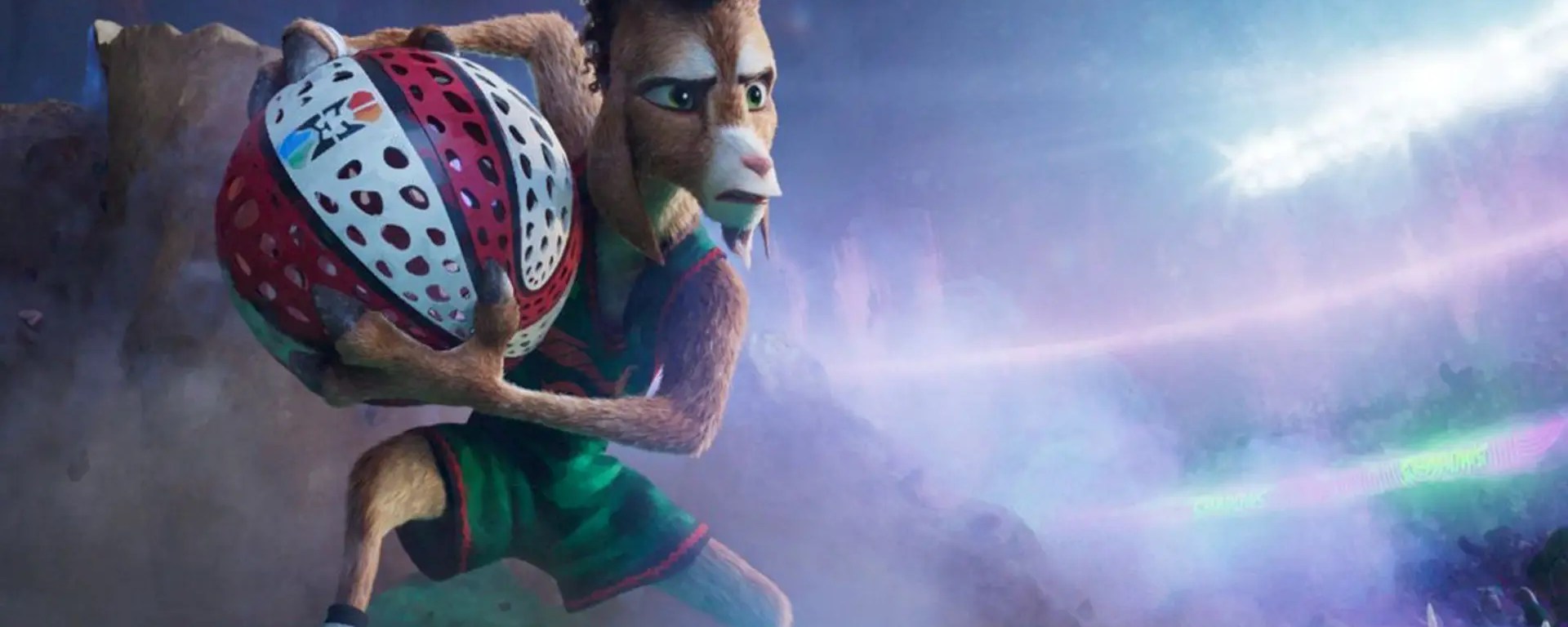
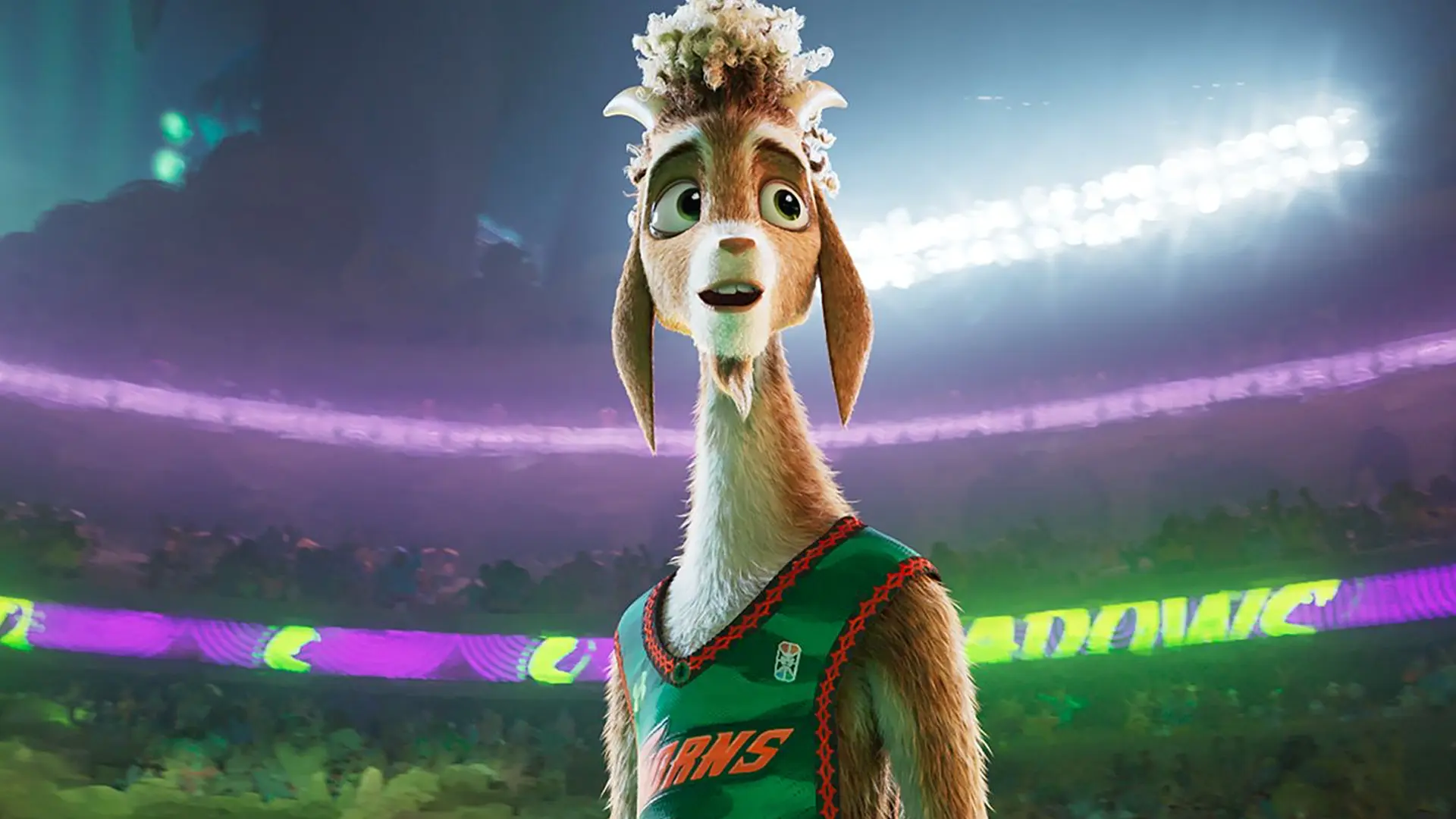
While the legacy studios were betting on a quiet President’s Day weekend (or perhaps one that was dominated by “Wuthering Heights“), Stephen Curry and Sony Pictures Animation were quietly drawing up a full-court press. The result? GOAT, a textured, kinetic exploration of the “Undergoat” narrative, didn’t just meet expectations—it shattered them. Originally projected for a modest $20M–$25M debut, the film surprised everybody by securing a $35M domestic 4-day opening, bringing its global total to $51M. Per the official synopsis, the film centers around a small goat named Will, who gets a once-in-a-lifetime shot to join the pros and play roarball.
Partially inspired by Curry’s own underdog journey, the film features notable names like Caleb McLaughlin, Aaron Pierre, Jelly Roll and more. Here’s why it’s a masterclass in athlete-led original IP.
RELATED: We’re Already Living in The Matrix. We Just Call It Culture.
Table of Contents
The Physics of the Opening
The success of GOAT isn’t an accident of celebrity; it’s a result of what we’ll call “aesthetic synergy.” By utilizing the “Visual DNA” of the Spider-Verse franchise—variable frame rates, hand-drawn textures, and high-energy color palettes—Sony Pictures Animation tapped into a design-conscious demographic that usually ignores “athlete-led” projects. Let’s take a look at the numbers.
The Numbers:
- Domestic Debut: $35,000,000
- International Markets: $16,000,000
- PostTrak Score: 96% Positive (Under 12) / 76% “Definite Recommend” (General Audience)
- Rotten Tomatoes: 80% (Critics) / 94% (Audience)
Sony Pictures Animation
Technical Authenticity: The Iguodala Factor
The Decked Out takeaway here is the focus on technical authenticity. Curry didn’t just lend his name; he brought in former teammate Andre Iguodala as a “basketball architect.” Every “roarball” play in the film was choreographed with professional-grade logic.
- The “Roarball” Choreography: Every play in the film was first run in a live-gym environment with Iguodala and a team of D1 players. This footage was then used as a frame-by-frame reference for weight distribution and muscle tension. When Lenny (the protagonist) dunks, the “stretch and squash” of the animation follows the literal mechanical limits of human (and giraffe) biomechanics.
- Variable Frame-Rate Logic: Borrowing from the Sony Pictures Animation playbook, the film utilizes “Animation on Twos” (12 fps) for character dialogue but snaps into a crisp 24 fps for the basketball sequences. This creates a psychological “haptic” response in the viewer—the game feels faster and more “urgent” than the narrative world around it.
- The Shot-Arc Algorithm: In a move toward extreme specificity, the production team developed a proprietary “Curry Arc” algorithm. The ball’s flight path in every animated shot adheres to the exact 45-degree optimal entry angle that defined Stephen Curry’s real-world shooting data.
Needless to say, in a 2026 landscape where audiences are fatigued by AI-generated “floaty” visuals, Curry is proving that the “Shimmy” translates to the big screen only when the underlying physics are respected.
RELATED: Before the NBA Was Global, the ABA Built the Blueprint
Author Bio
Jael Rucker is the founder of Decked Out Magazine. She has previously worked as the Associate Commerce Editor at PureWow, focusing on analytics and trends to pitch stories and optimize articles that build and engage their audience. Her work has also been seen in Footwear News and WWD. Prior to 2024, she was the style and pop culture editor at ONE37pm for over three years, contributing numerous product reviews, brand profiles and fashion trend reports, which included interviewing Steph Curry, Snoop Dogg and more.