The algorithm decides what you see.
Virality decides what matters.
Influence decides what feels real.
We don’t call it The Matrix anymore. We call it culture.
Like it or not, when “The Matrix” premiered in 1999, it looked like a warning about machines taking over humanity. Today, it feels more like a warning about how easily we’d surrender our perception of reality — willingly.
RELATED: 50 Years of Taxi Driver: How Travis Bickle Made the M-65 Jacket a Cultural Icon
Table of Contents
Reality Is Curated
In “The Matrix”, reality was manufactured and fed to the masses. In 2026, it’s curated.
Our feeds shape our worldview. What trends become a matter of truth. What goes viral becomes important. The system doesn’t need to lie outright; it just filters.
The result isn’t control by force. It’s control by design.
Identity Is Performance
Neo chose between pills. We choose aesthetics.
Online, identity is constructed; optimized, branded and edited. Athletes become lifestyle brands. Influencers become archetypes. Even vulnerability is curated for engagement.
The Matrix imagined humans plugged into pods. Our version looks cleaner: we log in
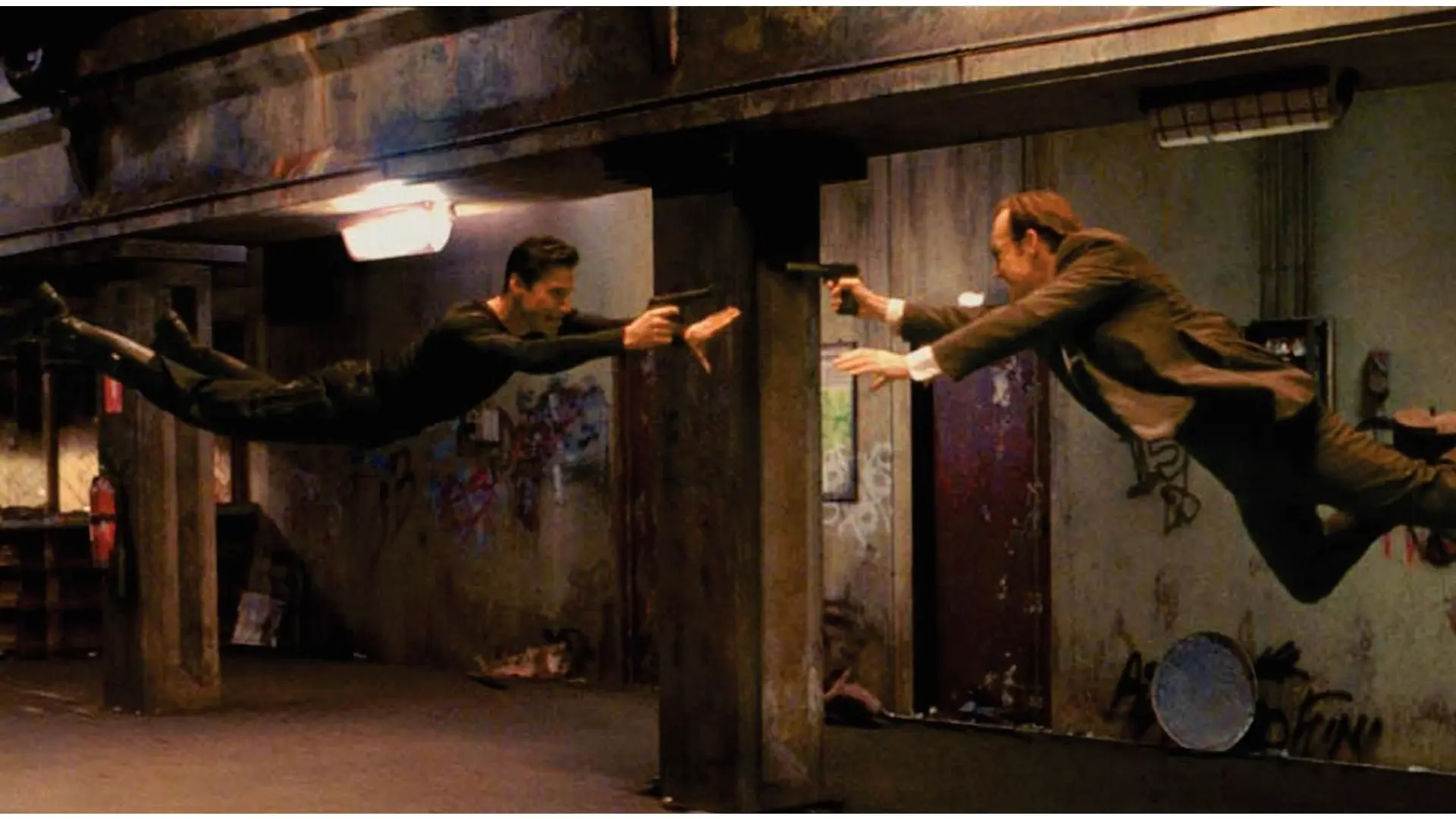
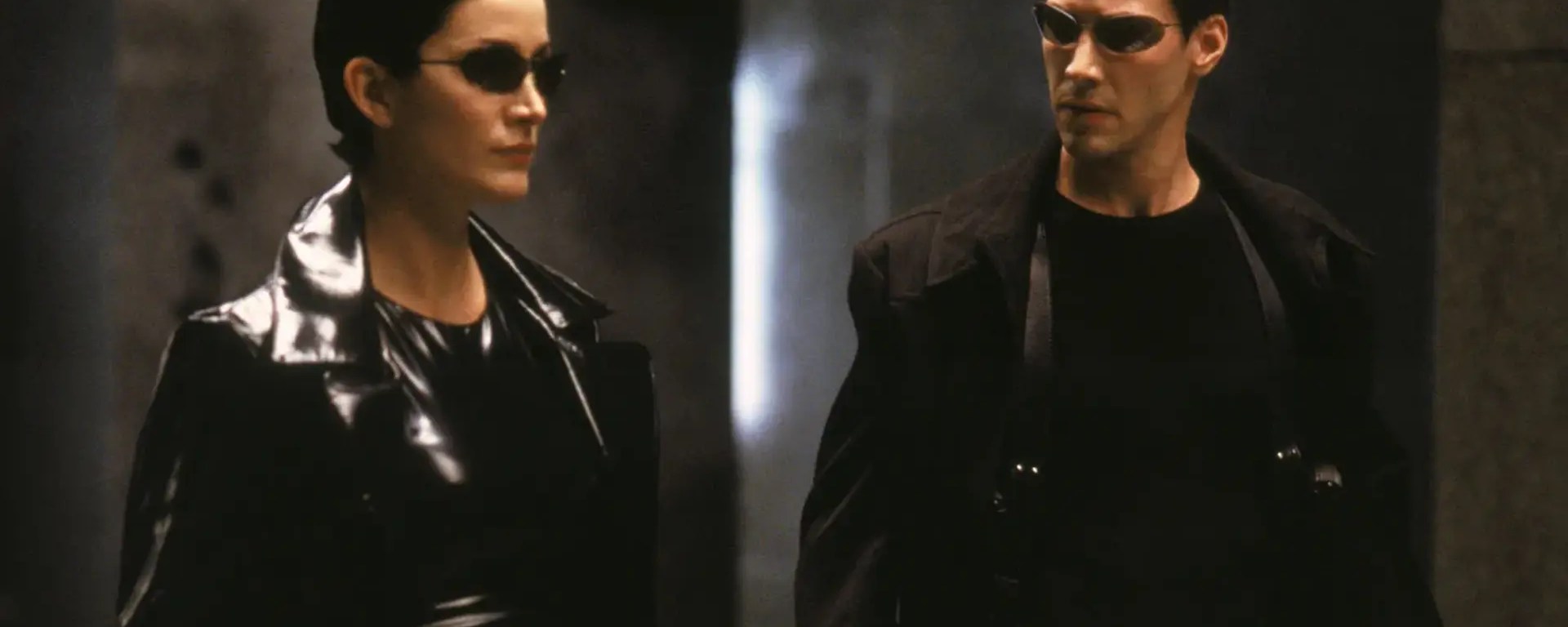
Photo: Warner Bros.
The Illusion of Choice
Streaming platforms offer endless options — but… within algorithms. Social media, however, gives us personalized content — within parameters. This means that we feel autonomous, but our choices are constantly nudged.
“The Matrix” wasn’t about robots overthrowing humanity. It was about systems shaping perception.
The Moment It Turned

Photo: Warner Bros.
The most unsettling part about all of this isn’t that we’re controlled.
It’s that we’re comfortable.
The Matrix didn’t predict the future. It predicted culture — a world where reality is filtered, identity is performative, and the system doesn’t need to force us.
We plug in ourselves.
RELATED: 25 Years of the Duke: How Xbox’s Infamous 2001 Controller Became a Design Blueprint
Author Bio
Jael Rucker is the founder of Decked Out Magazine. She has previously worked as the Associate Commerce Editor at PureWow, focusing on analytics and trends to pitch stories and optimize articles that build and engage their audience. Her work has also been seen in Footwear News and WWD. Prior to 2024, she was the style and pop culture editor at ONE37pm for over three years, contributing numerous product reviews, brand profiles and fashion trend reports, which included interviewing Steph Curry, Snoop Dogg and more.