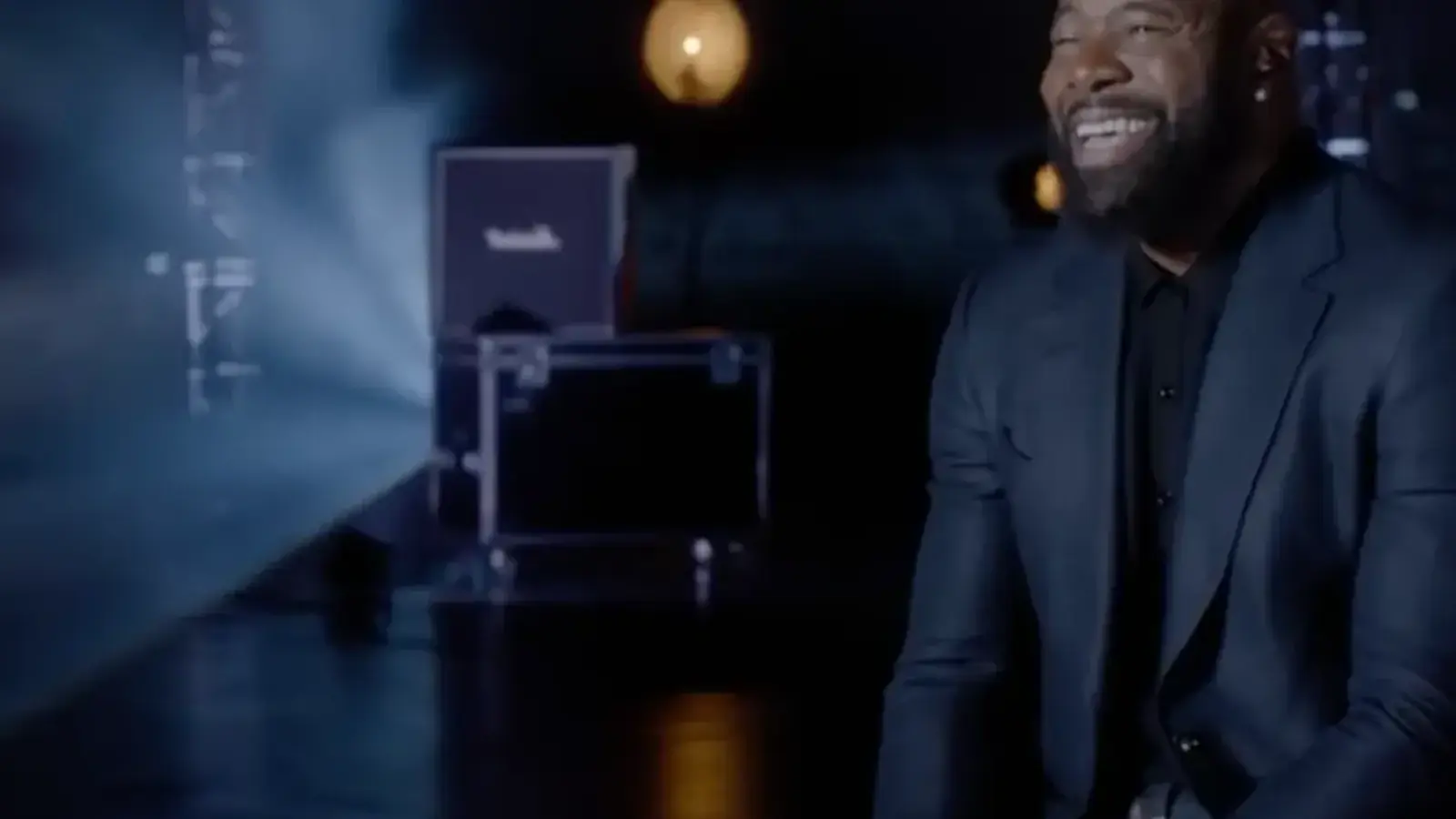
Before the NBA became a global entertainment machine, the American Basketball Association was already rewriting the script. The three-point shot. The red-white-and-blue ball. The dunk contest. A league built on rhythm, risk and spectacle, the ABA treated basketball as both sport and show — decades before the modern NBA mastered the formula. In Soul Power: The Legend of the American Basketball Association, Prime Video revisits a league that burned fast, folded early, and quietly built the blueprint for the game as we now know it.
RELATED: We’re Already Living in The Matrix. We Just Call It Culture.
The League That Made Style a Strategy
The four-part documentary series chronicles the rise and fall of one of America’s most turbulent eras, shaping the NBA we know and love today. Premiering February 12, the series highlights the lasting impact of the ABA on the sport of basketball, including the introduction of the 3-point shot; the All-Star Game slam dunk competition; the addition of former ABA franchises like the Brooklyn Nets, Denver Nuggets, Indiana Pacers and San Antonio Spurs to the NBA, while also highlighting how the league empowering women to play a more substantial role in the business of sports; and the rise to fame of superstar players and pro hoops contributors like Julius Erving, Moses Malone, Spencer Haywood, George Gervin, Rick Barry and George Karl. I got a chance to check out the documentary, and here are my thoughts.
What the Film Gets Right
I’ve always viewed the ABA as basketball’s great disruptor, but Soul Power makes that disruption feel immediate. Watching the archival footage and hearing directly from the players, I was reminded how radical the league actually was; not just stylistically, but structurally. The ABA didn’t simply compete with the NBA; it experimented with what basketball could look and feel like. Also, as a major 1970s lover, I loved the general pace, flair, marketing and theatrics. This documentary doesn’t overstate its case, but it doesn’t need to, in my opinion, with the blueprint being visible in every modern highlight reel. For me, Soul Power works best when it frames the ABA not as a failed rival, but as the league that quietly reshaped the sport’s cultural and commercial future.
Why the ABA Still Matters
In the end, Soul Power isn’t just about nostalgia, but rather about recognition. The ABA may have folded, but its fingerprints are everywhere: in the pace of the modern game, in the spectacle surrounding All-Star Weekend, in the way basketball now operates as both sport and cultural engine. Watching this documentary, I wasn’t thinking about what the league lost. I was thinking about what it built. And in that sense, the ABA didn’t disappear — it evolved into the foundation of the game we know today.
RELATED: 50 Years of Taxi Driver: How Travis Bickle Made the M-65 Jacket a Cultural Icon
Author Bio
Jael Rucker is the founder of Decked Out Magazine. She has previously worked as the Associate Commerce Editor at PureWow, focusing on analytics and trends to pitch stories and optimize articles that build and engage their audience. Her work has also been seen in Footwear News and WWD. Prior to 2024, she was the style and pop culture editor at ONE37pm for over three years, contributing numerous product reviews, brand profiles and fashion trend reports, which included interviewing Steph Curry, Snoop Dogg and more.
![[THE FILES] 285 : Minority Report (2002)](https://deckedoutmagazine.com/wp-content/uploads/2026/06/tom_cruise_minority_report_history_hero.webp)

![[THE FILES] 284 : Ashley Tisdale – He Said She Said (2007)](https://deckedoutmagazine.com/wp-content/uploads/2026/06/ashley_tisdale_he_said_she_said_history_hero.webp)