
Movie villains don’t dress to be liked. They dress to be understood. Long before fashion houses started selling menace as a mood, cinema’s antagonists were already doing the work—using tailoring, texture and restraint to signal power, obsession and control. From Patrick Bateman’s surgical minimalism to the Joker’s weaponized chaos, villains have become the templates for a kind of style that wasn’t aspirational in the traditional sense, but magnetic all the same. Fashion didn’t just borrow from these characters—it learned from them.
Let’s look a little deeper into it, shall we?
RELATED: Marketing the King: Why the Super Bowl Makes Sense for the Michael Jackson Biopic
Table of Contents
Villain Style Is About Control, Not Cool
Villain fashion works because it’s intentional to the point of discomfort. Every choice communicates dominance, detachment, or threat. Bateman’s crisp suits aren’t about wealth—they’re about precision. Hannibal Lecter’s restraint reads as discipline sharpened into menace. Even characters styled as chaotic understand this rule: the Joker’s disorder is curated, a visual rejection of social norms that still follows its own internal logic. Fashion latched onto this because control—whether rigid or unruly—translates power faster than likability ever could.

Photo: Wikimedia Commons
Costume Design as Psychological Warfare
In my opinion, great villain style is never accidental—it’s narrative shorthand. Costume designers build visual language the same way writers build dialogue: to communicate intent before a character speaks. Color palettes, silhouettes, and textures are chosen to unsettle or command. That discipline is why these looks travel so well outside film. Fashion thrives on symbolism, and villain wardrobes are already semiotic systems—ready-made frameworks for expressing dominance, alienation, or excess.
Why Heroes Age Poorly and Villains Don’t
Hero costumes are designed to reassure, which ties them to the values of a specific moment. Villains are designed around psychology, not morality. Their motivations (power, ego and rebellion), don’t expire. That longevity is why villain aesthetics keep resurfacing while heroic ones feel locked to their era.
Fashion’s Anti-Hero Turn
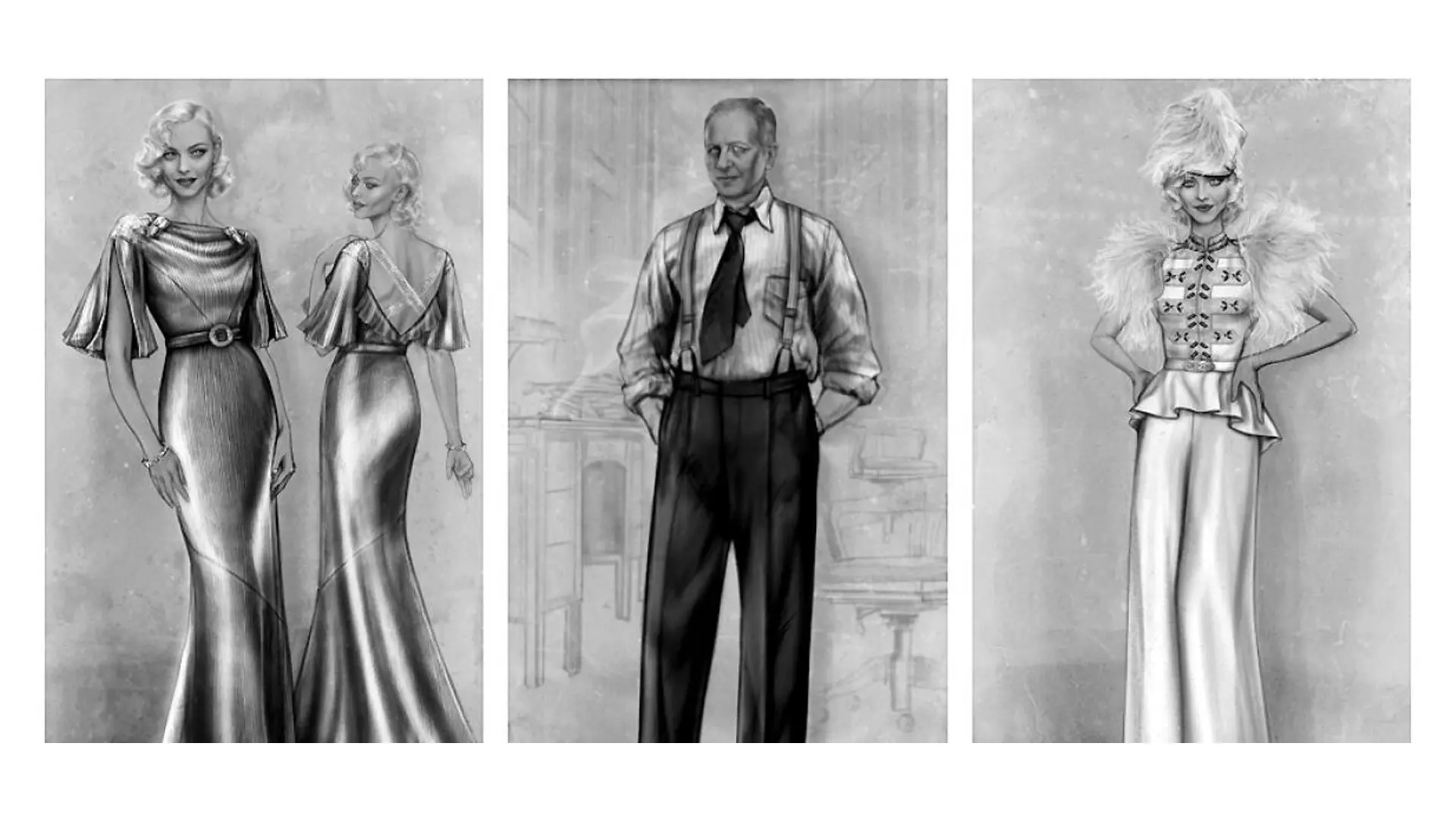
Wikimedia Commons
As culture grew more skeptical of perfection, fashion followed. Clean aspiration gave way to irony and edge. Villain-coded style offered a way to reject innocence without embracing chaos—sharp tailoring, exaggerated silhouettes and controlled provocation. Fashion didn’t want role models. It wanted tension.
From Screen to Style Language
Once removed from narrative, villain aesthetics become mood rather than costume. Designers extract structure, contrast and attitude, not character. On the street, that influence shows up as restraint, severity, or theatrical detail, signals of intent rather than imitation.
Dressing “Bad” as Expression
Villain-inspired fashion endures because it refuses explanation. It isn’t likable, and it doesn’t try to be. In an era of overexposure and instant judgment, that resistance reads as power. Villains dress with purpose, and fashion keeps borrowing that certainty.
RELATED: 50 Years of Taxi Driver: How Travis Bickle Made the M-65 Jacket a Cultural Icon
Author Bio
Jael Rucker is the founder of Decked Out Magazine. She has previously worked as the Associate Commerce Editor at PureWow, focusing on analytics and trends to pitch stories and optimize articles that build and engage their audience. Her work has also been seen in Footwear News and WWD. Prior to 2024, she was the style and pop culture editor at ONE37pm for over three years, contributing numerous product reviews, brand profiles and fashion trend reports, which included interviewing Steph Curry, Snoop Dogg and more.

![[THE FILES] 181 : The Pizza Hut Stuffed Crust (1995)](https://deckedoutmagazine.com/wp-content/uploads/2026/05/Screenshot-2026-05-20-at-7.18.46-PM.png)


