
By Jael Rucker: Published: January 8, 2026
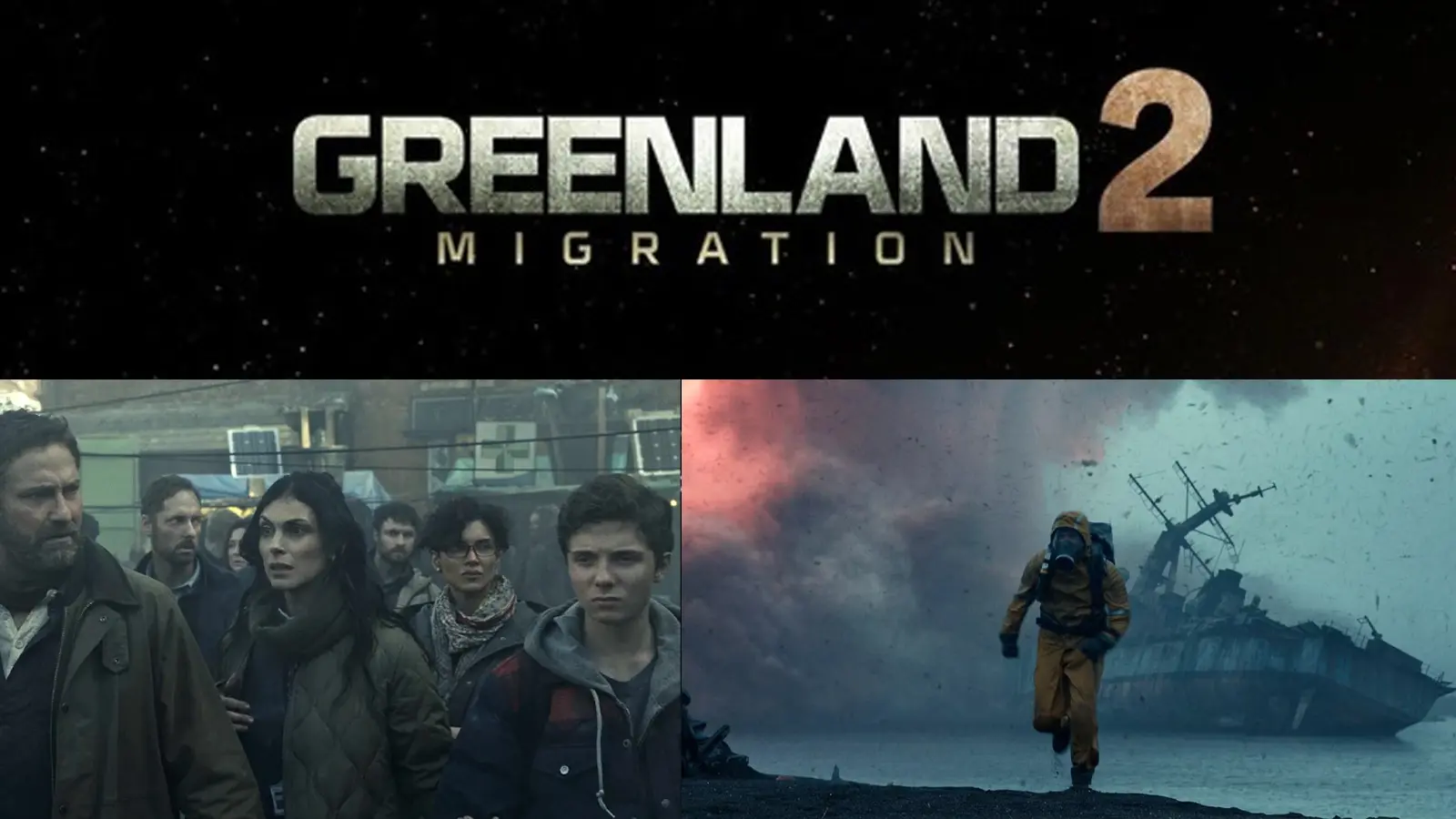
Photo: Lionsgate, Jael Rucker for Decked Out
In This Article
- Scaling the Apocalypse: Why the budget jumped from $35M (original) $90 million for the sequel.
- The Iceland Location Audit: Shifting production to Reykjavík and Icelandic glaciers to simulate a “Post-Impact” Europe.
- The “Migration” Lens: A forensic look at the desaturated earth tones and high-contrast cinematography used to depict a world five years post-comet.
- Survivalist Architecture: How the production design repurposed real-world tech into survival gear for the Garrity family.
LOS ANGELES, CA — In the aftermath of a comet strike that decimated most of the Earth, GREENLAND 2: MIGRATION EARTH follows the Garrity family (Gerard Butler, Morena Baccarin and Roman Griffin Davis) as they’re forced to leave the safety of their bunker in Greenland to traverse a shattered world in search of a new home. This go-round, with a production budget of $90 million, the production moved away from the soundstages of the original to the raw, high-contrast landscapes of Iceland and the UK. Filming took place across Alton, Hampshire and Farnborough International Studios, creating a “Tactile Apocalypse”—real locations that simulate a world recovering from an impact winter.
RELATED: Forensic Audit: The Technical Maturation of ‘Euphoria’ Season 3
Technical Direction
Director Ric Roman Waugh and cinematographer Martin Ahlgren (who shot on the Sony VENICE 2, by the way) opted for a gritty, grounded reality. This tracks with the story of the Garrity family (Gerard Butler and Morena Baccarin) as they trek from a bunker in Greenland through a waterlogged Liverpool and across a dry English Channel toward a potential haven in France. That leads me to the visual language, which is built on desaturated earth tones and industrial utility, capturing the toxicity of an atmosphere still choked by ash.
Survivalist Architecture: The Gear of 2026
The “Garrity Gear” is where the production design truly shines. Five years post-comet, the family’s wardrobe and tools have transitioned from “Off-the-Shelf” to “Repurposed Utility,” as the family utilizes repurposed tech and solar-charged LED arrays—a forensic nod to the reality that consumables (batteries, fuel) are now the world’s most valuable currency because, well, they’re fighting for survival. The costumes also feature integrated filtration masks and radiation haze goggles, which are designed to feel like items that have been repaired and maintained for over 1,800 days underground.
The Migration Lens
To capture the “Impact Winter” of a decimated Europe, Ahlgren moved away from the handheld chaos of the first film, instead opting for its superior low-light sensitivity and 8K resolution, and the Panasonic Vintage 65 Primes for a soft, fall-off look that feels both expansive and claustrophobic. As for the lighting setup, that strategically allowed for a 180-degree range of motion on location in Iceland, ensuring the actors felt grounded in the environment rather than a studio.
The “Decked Out” Verdict
Migration is a rare disaster epic that prioritizes “The Architecture of Survival” over mindless destruction. It’s a film about how we rebuild, not just how we fall.
Enjoyed the Forensic Audit?
If you found the technical breakdown of Greenland compelling, dive into our latest archival investigation. We explore the clinical history and documented archives of Michael Jackson’s battle with Lupus and Vitiligo, auditing the primary sources that shaped a legacy.
Author Bio
Jael Rucker is the founder of Decked Out Magazine. She has previously worked as the Associate Commerce Editor at PureWow, focusing on analytics and trends to pitch stories and optimize articles that build and engage their audience. Her work has also been seen in Footwear News and WWD. Prior to 2024, she was the style and pop culture editor at ONE37pm for over three years, contributing numerous product reviews, brand profiles and fashion trend reports, which included interviewing Steph Curry, Snoop Dogg and more.

![[THE FILES] 190 : Janet Jackson – All For You (2001)](https://deckedoutmagazine.com/wp-content/uploads/2026/05/janet_jackson_all_for_you_hero_image.webp)
![[THE FILES] 189 : The Wedding Planner (2001)](https://deckedoutmagazine.com/wp-content/uploads/2026/05/wedding_planner_hero_mage.webp)