How High (2001)
Type: Subcultural Stoner Comedy / Hip-Hop Cinema Asset
Timeline: Released December 21, 2001
Entity / Studio: Jersey Films / Native Pictures / Universal Pictures
Category: Movie File
Overview
Released to theatrical circuits on December 21, 2001, How High stands as a monumental nostalgia checkpoint, a definitive hip-hop stoner comedy designed during the absolute peak era of turn-of-the-century urban subcultural cinema. Directed by Jesse Dylan in his feature debut and penned by Dustin Lee Abraham, the narrative tracks Silas and Jamal, portrayed by iconic rap duopoly Method Man (Wu-Tang Clan) and Redman (Def Squad). The runtime framework engineered a classic fish-out-of-water scenario, weaponizing a supernatural narrative catalyst to thrust two unapologetic, street-smart protagonists directly into the hyper-rigid, elite academic infrastructure of Harvard University.
Why It Mattered
The project represents a vital structural milestone in studio comedies, permanently cross-pollinating hardcore East Coast hip-hop culture with mainstream Hollywood distribution networks. Backed by Danny DeVito’s Jersey Films, the asset subverted traditional collegiate movie tropes by using counter-culture anti-intellectualism to systematically expose the stuffiness, systemic biases, and institutional absurdities of Ivy League academia. Dylan engineered a surprisingly robust comedic delivery matrix, executing memorable surrealist visual sequences, highly quotable rapid-fire dialogue strings, and a definitive chemistry between the leads that rivaled classic Hollywood pairings. Deployed during the winter holiday box office corridor, the movie established a permanent, multi-generation cult ledger entry for urban cinema and hip-hop purists.
The Production
The production, financial metrics, and soundtrack of this comedy classic showcase its resilient long-tail cultural value:
| Production Milestone | Hardware / Data Output | Historical Project Details |
|---|---|---|
| Capital Budget Envelope | $20 Million Capital USD | Financed efficiently via Universal Pictures, utilizing location scouting across Southern California colleges to substitute for Cambridge geography. |
| Theatrical Box Office | $31.3 Million Domestic Gross | Outperformed tracking models in urban demographic markets, rapidly translating into an incredibly lucrative home video rental and physical DVD asset loop. |
| Def Jam Audio Blueprint | Multi-Platinum Audio Grid | Anchored by a legendary hip-hop soundtrack payload, pairing the headliners with Cypress Hill, DMX, and Ludacris on the definitive street single “Part II.” |
| Long-Tail Brand Capital | High Retro Retain | Transformed into an absolute cornerstone subculture lease node, commanding consistent annual search streams and high-intent streaming replication blocks. |
Key Facts
- The Ivory Tower Counter-Cast: To intensify the film’s structural social friction, the production secured elite character actors to populate the rigid Harvard faculty grid, notably featuring Obba Babatundé as Dean Carl Cain and Fred Willard as the tracking officer, Philip Hunt.
- The Ivory Tower Botany Variable: The central supernatural plot engine relies on a specialized, fictional botanical matrix: Silas weaponizes the unique ash compounds of his deceased partner, Ivory (Chuck Davis), to cultivate an advanced crop that manifests Ivory’s ghost to deliver flawless examination answers.
- The Historic Campus Replications: Due to Harvard University’s strict institutional protocols banning commercial Hollywood production on its real historic campus layouts, the crew utilized UCLA and alternate California architectures to stand in for the iconic yard.
Related Files
- The Corruptor (1999)
- Exit Wounds (2001)
Trailer
A Still from the Movie
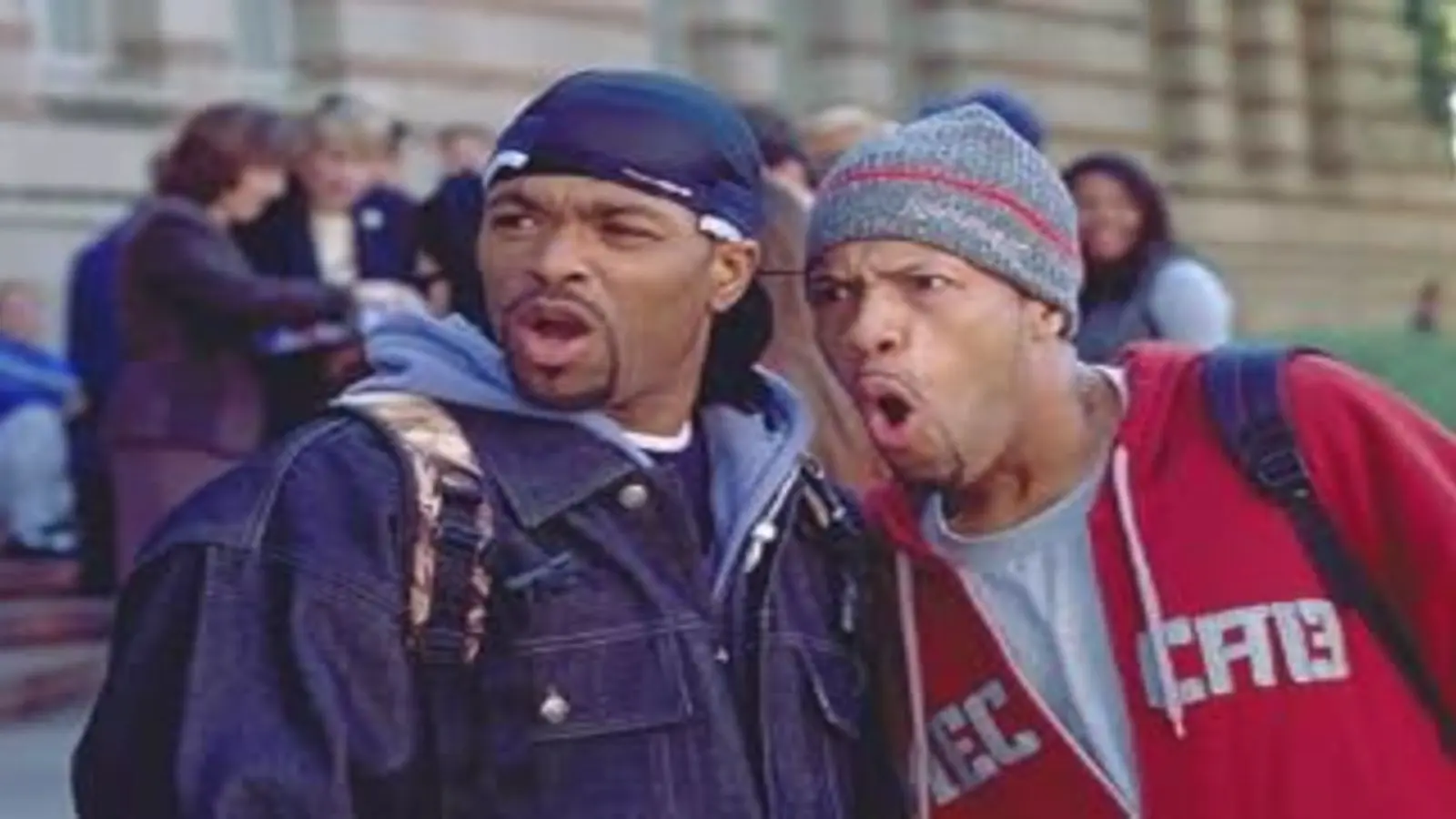
Featured Photo: Jersey Films/Universal Pictures
RELATED: [THE FILES] : I Got the Hook-Up (1998)