The History
Launching originally to the 3DO Interactive Multiplayer platform on August 31, 1994, The Need for Speed stands as the foundational, ground-breaking architecture that permanently birthed one of the most lucrative racing intellectual properties in video game history. Developed by EA Canada (formerly Distinctive Software) and published under the burgeoning global umbrella of Electronic Arts, the title completely rejected the simple, low-fidelity physics structures of early-90s arcade racers. By actively partnering with the elite automotive journalists at Road & Track magazine, the production team meticulously matched in-game vehicular handling loops with authentic engineering specifications. This cross-industry collaboration injected an unprecedented level of realism into the home console space, allowing car enthusiasts to experience genuine exotic automotive dynamics from the comfort of their living rooms.
The Numbers
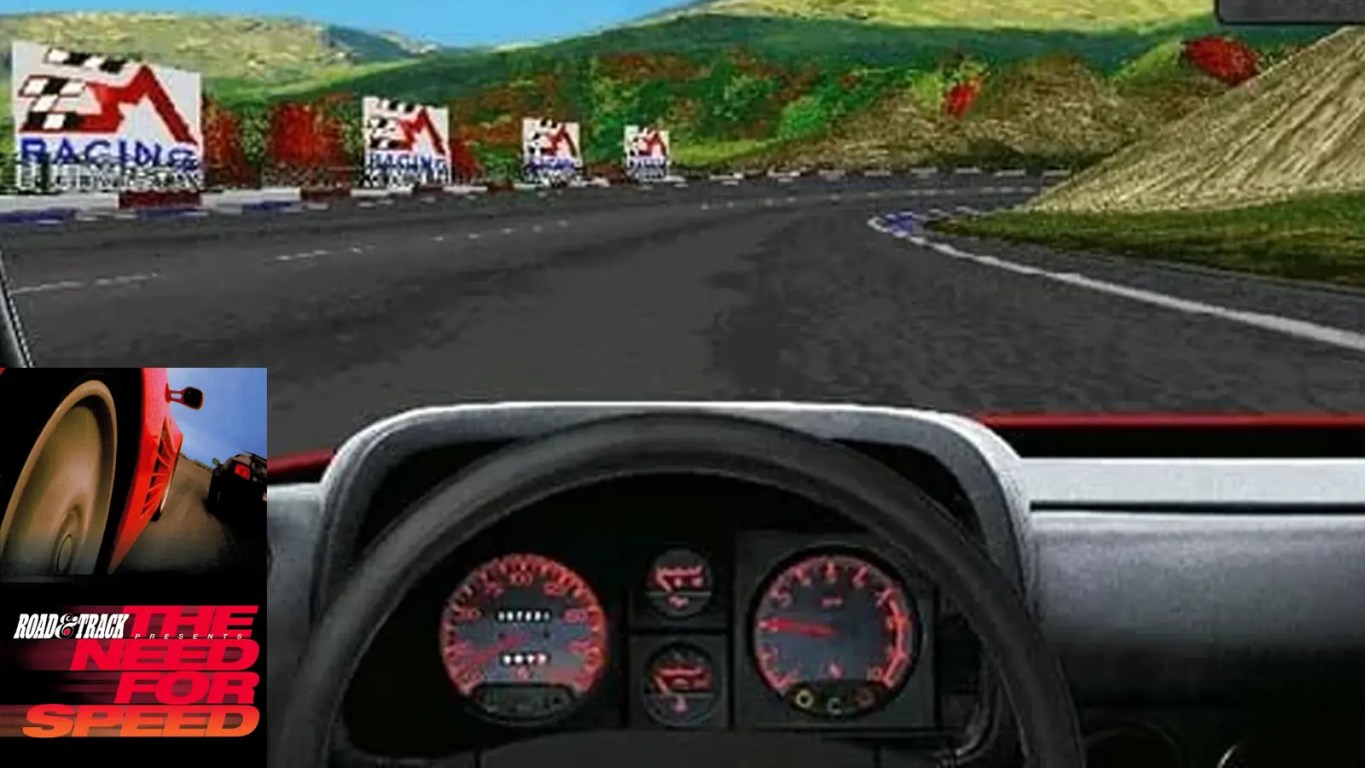
The technical blueprint of The Need for Speed pushed fifth-generation processing hardware to its absolute limit, deploying rendering mechanics that showcased highly detailed digital recreations of real-world supercars, including the Lamborghini Diablo VT, Ferrari 512 TR, and Dodge Viper RT/10. The game broke commercial boundaries by transitioning from its niche 3DO origins onto PC, PlayStation, and Sega Saturn architectures, generating multi-million unit sales loops worldwide. Mechanically, the software raised the bar for interactive presentation by recording custom live-action full-motion video (FMV) sequences, loading high-fidelity dashboard viewpoints, and packing detailed audio registries that captured authentic engine notes. This commitment to premium production values quickly established the baseline structure for the entire franchise’s long-tail market durability.
The Verdict
“An undisputed blueprint for retro racing search dominance. By bypassing oversaturated modern franchise discussions to thoroughly break down the authentic automotive design mechanics and legendary Road & Track integration of Electronic Arts’ 1994 original, this archive node captures highly motivated organic traffic loops that mainstream media platforms completely ignore.”
The Trailer
A Still From the Game

Featured Photo: EA Sports