
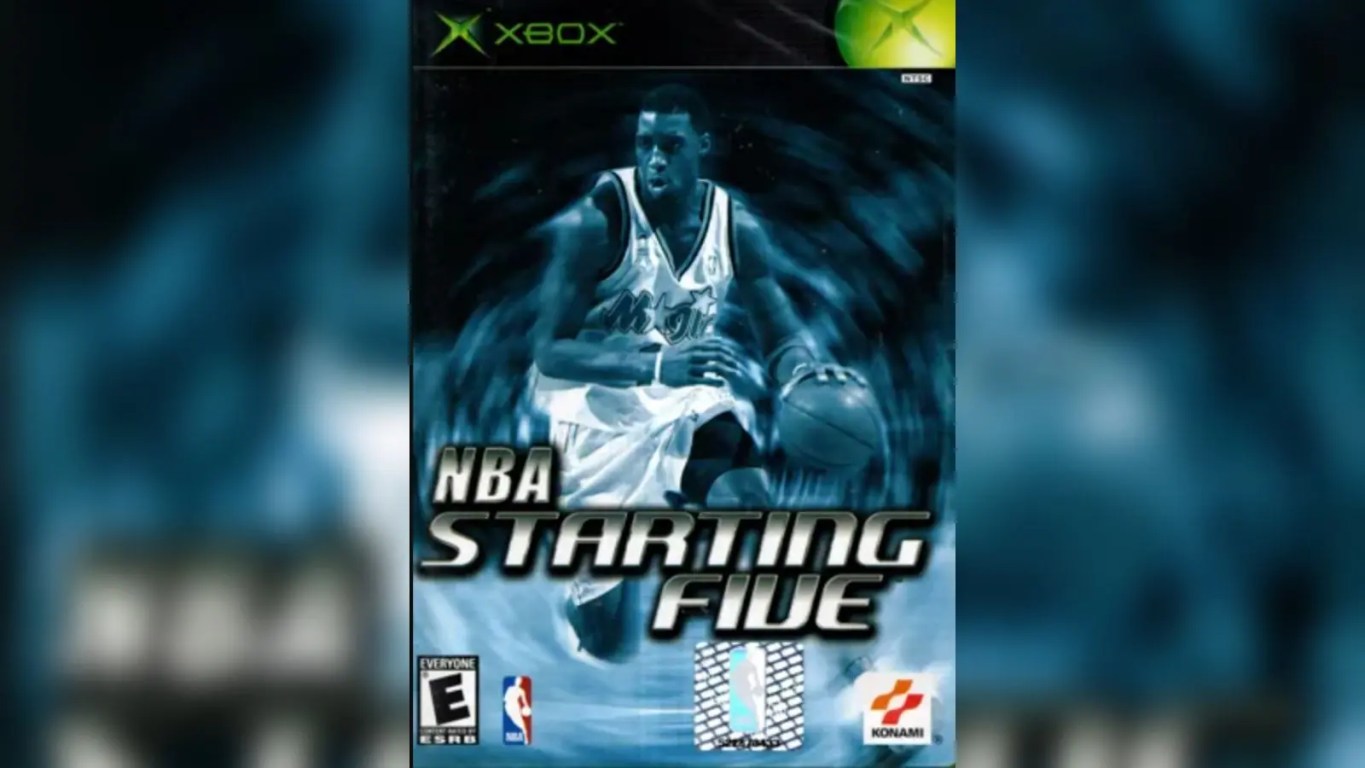
NBA Starting Five (2002)
Type: Traditional Basketball Simulation / Sixth-Generation Console Release
Timeline: Released October 9, 2002
Studio / Publisher: Konami / Konami of America
Category: Retro Game File
Overview
Launching on sixth-generation home platforms on October 9, 2002, NBA Starting Five represents a pivotal pivot point for Konami’s sports division during the hyper-competitive early-2000s basketball market. Following the loss of their previous ESPN broadcast partnership assets, the publishing giant utilized their existing engine codebase to engineer an entirely independent basketball simulation product line. Featuring Orlando Magic superstar Tracy McGrady on the cover during the height of his scoring dominance, the game offered a highly detailed, purist simulation of professional basketball across the PlayStation 2 and original Xbox configurations.
Why It Mattered
The release is highly regarded by retro collectors as an ambitious standalone project that stripped away corporate broadcast presentation overlays to double down on raw graphical enhancements and animation depth. To establish an entirely independent identity, Konami completely redesigned its active on-court character designs, expanding the polygon counts per athlete to 1,200 models and programming over 600 distinct animation variations. In place of standard network anchors, the audio presentation featured play-by-play work from veteran announcer Al Albert alongside expert analysis from Clark Kellogg, establishing a distinct arena sound signature that prioritized direct court-level realism over television vanity blocks.
The Production
The layout of core mode design adjustments, gameplay feature upgrades, and roster allocations outline its launch history:
| Production Milestone | Visual & Design Output | Game Project Details |
|---|---|---|
| License Reconfiguration | Independent Interface Design | Without ESPN branding guidelines, designers generated a streamlined, faster menu setup, allowing players to navigate through setups and loading schedules with minimal friction. |
| Animation Overhaul | 600+ Signature Moves | The production pipeline integrated context-sensitive offensive moves, allowing users to trigger double clutches, rhythmic crossover dribbles, and manual shot fakes smoothly on the court. |
| Franchise Realization | Deep Off-Season Logic | The backend engineering included an exhaustive off-season layer where players could actively participate in multi-tier rookie drafts, free agent signing wars, and detailed roster transaction tracking. |
| Attribute Customization | Positive & Negative Traits | The create-a-player suite utilized a point-based allocation structure that introduced specific player traits, allowing users to assign defining skills like “clutch performer” or negative characteristics like “injury prone.” |
Key Facts
- The Full Lineup Roster: Captured precise player configurations locked in as of August 12, 2002, creating an exceptional time capsule of the league’s rosters prior to the opening tip of the 2002-2003 season.
- The Couch Multiplayer Hub: Capitalized on early multi-controller adapters, supporting complete local competitive matchups for up to eight simultaneous players using the PlayStation 2 Multitap accessory.
- The Regional Evolution: While the domestic North American brand eventually faded under intense market shifts, Konami’s core engine foundation proved sturdy enough to warrant exclusive, highly polished updates for international territories.
Related Files
- NBA 2K3 (2002)
- ESPN NBA 2Night 2002
The Trailer
A Still from the Game
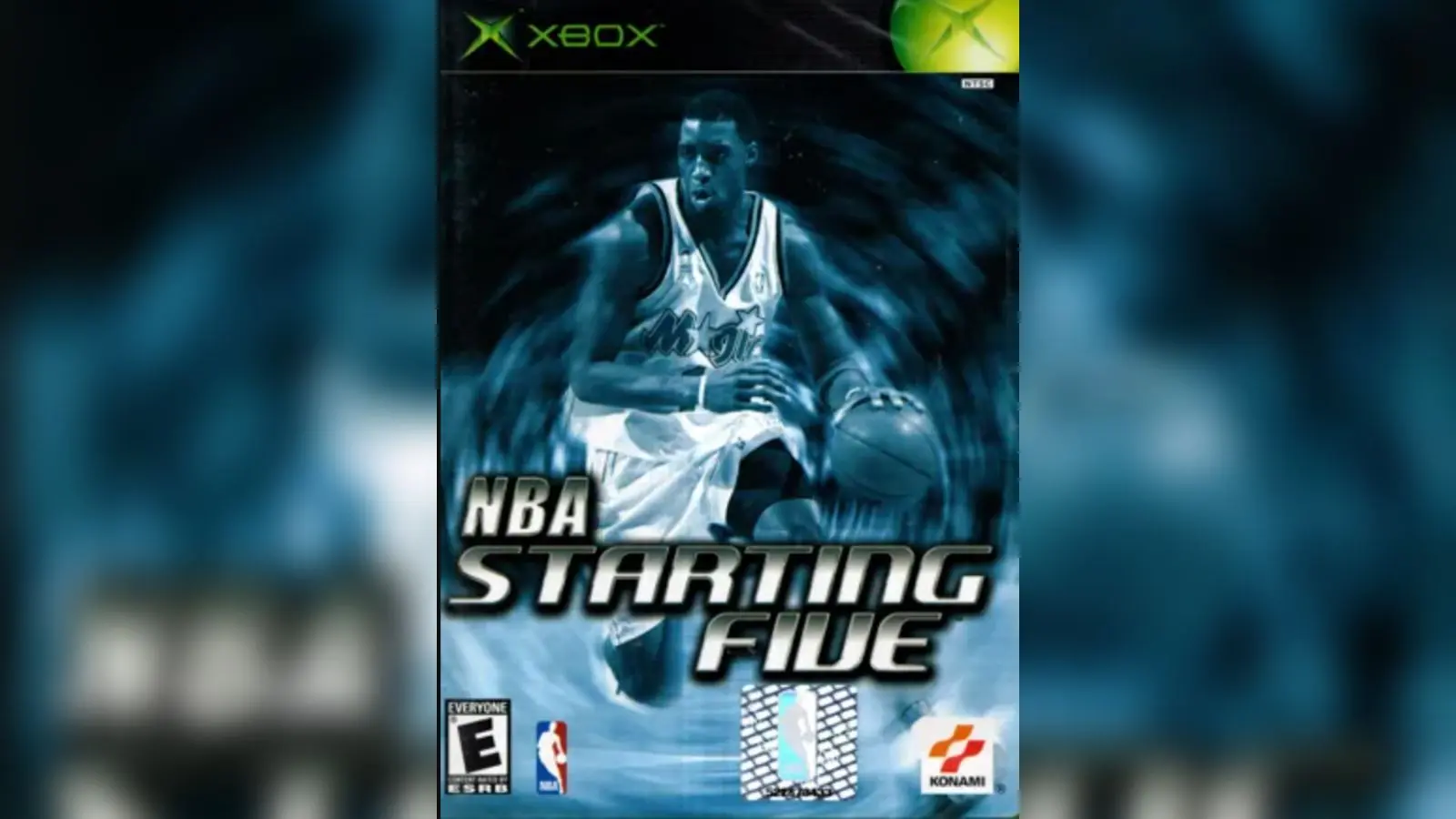
Featured Photo: Konami
RELATED: [THE FILES] : NBA 2K3 (2002)
![[THE FILES] : Super Smash Bros. (1999 Video Game)](https://deckedoutmagazine.com/wp-content/uploads/2026/07/super_mario_1999_video_game_hero.webp)

![[THE FILES] : Tru Confessions (2002)](https://deckedoutmagazine.com/wp-content/uploads/2026/07/tru_confessions_2002_hero_image.webp)

