The History
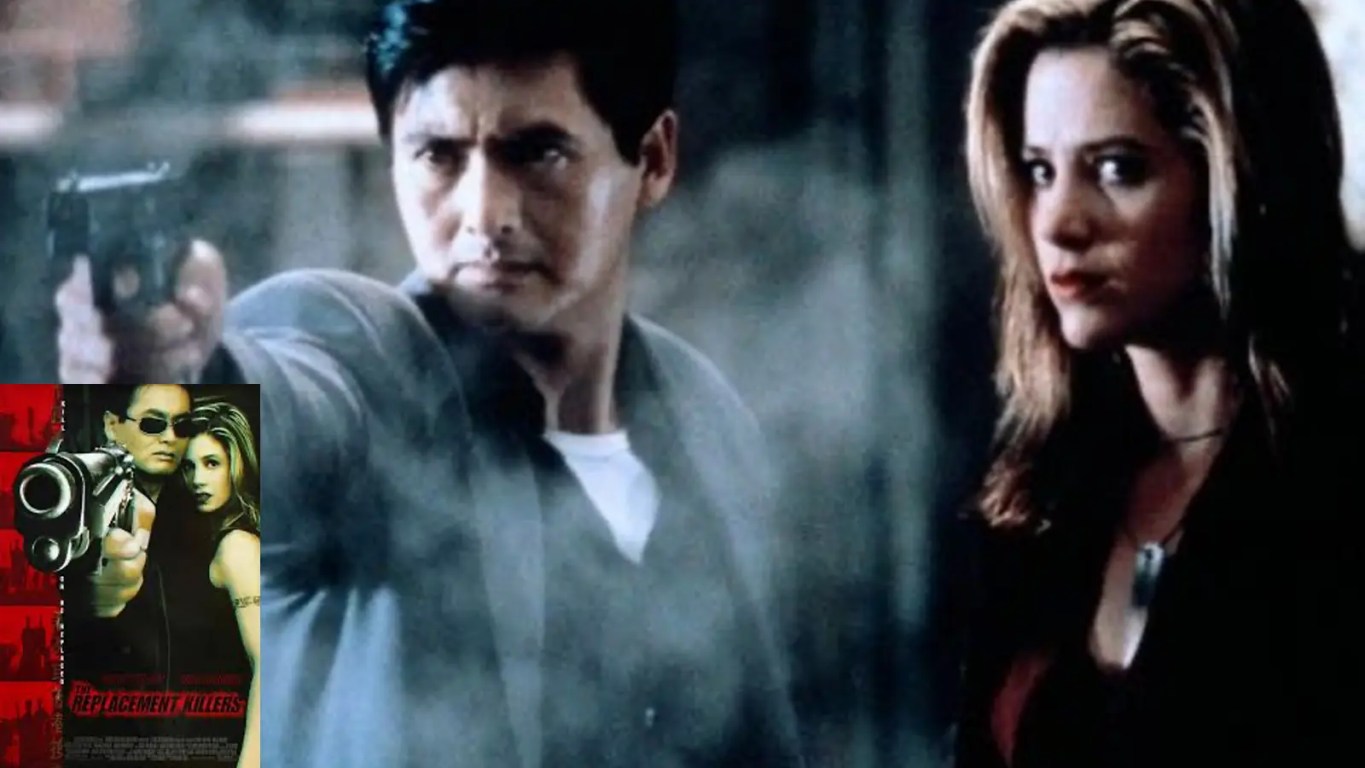
Launching to the global theatrical circuit on February 6, 1998, The Replacement Killers stands as a monumental visual bridge that permanently cross-pollinated Hong Kong heroic bloodshed action choreography with late-90s American electronic subcultural styling. Serving as the high-velocity feature directorial debut of Antoine Fuqua and executive produced by the legendary John Woo, the narrative tracks John Lee, a disillusioned, elite assassin who triggers a fatal corporate fallout when his conscience prevents him from executing a retaliatory contract. Forced into a desperate alliance with a cynical, street-smart counterfeit document specialist named Meg Coburn, the property transforms the concrete landscape of Los Angeles into a neon-soaked battleground defined by relentless gun-fu choreography and stylized urban isolation.
The Numbers
The corporate asset engineering behind The Replacement Killers utilized a highly efficient $30 million USD production capital footprint financed via Columbia Pictures. Fuqua weaponized his background in high-end music video production to completely revolutionize domestic action framing; the asset deployed a complex visual matrix utilizing extensive slow-motion tracking telemetry, meticulously timed kinetic shootouts, and high-contrast color grading. While its domestic theatrical run yielded a modest $19.2 million USD, the property secured immediate long-tail profitability through a massive secondary rental and physical media lifecyle. Sonically, the project functions as an absolute masterclass in Y2K trip-hop and industrial audio tracking, weaving an elite soundscape composed of industrial electronic audio loops from The Crystal Method, Tricky, Brad, and a pulse-pounding original score by Harry Gregson-Williams.
The Verdict
“An elite architectural node in the late-90s action catalog. By thoroughly deconstructing the structural visuals, production telemetry, and electronic audio infrastructure of Antoine Fuqua’s legendary directorial debut, this entry targets a fiercely loyal, nostalgic organic search curve completely missed by mainstream entertainment hubs.”
The Trailer
A Still from the Movie
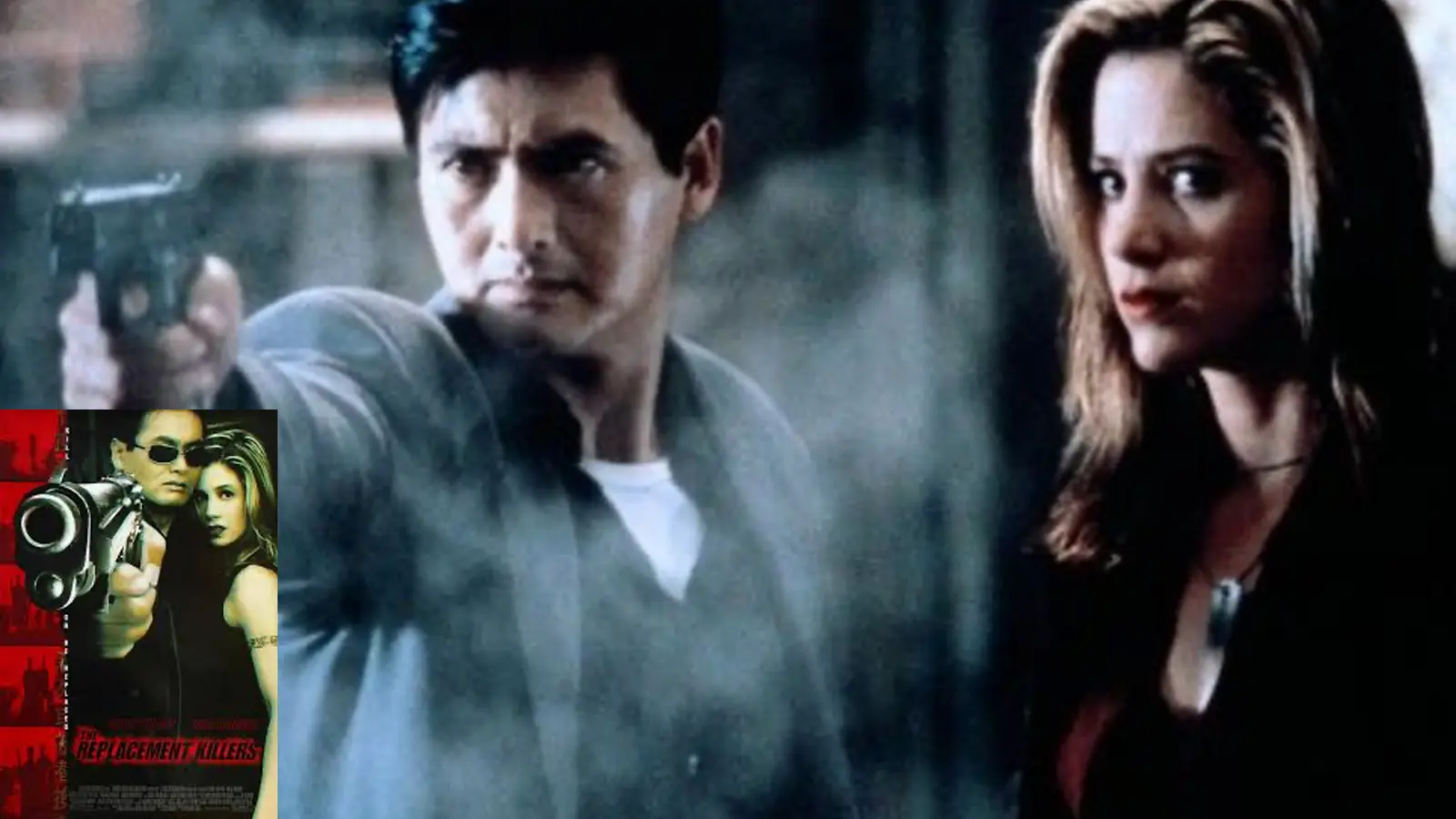
Featured Photo: Columbia Pictures
![[THE FILES] 236 : Exit Wounds (2001)](https://deckedoutmagazine.com/wp-content/uploads/2026/06/exit_wounds_movie_history_hero.webp)

![[THE FILES] 235 : Antitrust (2001)](https://deckedoutmagazine.com/wp-content/uploads/2026/06/anti_trust_movie_hero_image.webp)