The History
In the late summer of 2002, the physical-comedy and character-transformative cinema genre hit a surreal, low-altitude mark. Bypassing traditional narrative structures entirely, Dana Carvey’s passion asset, The Master of Disguise, deployed as a hyper-frenetic monument to early-2000s sketch-art absurdity. Directed by Perry Andelin Blake and co-produced by Happy Madison pipelines, the production tracked Pistachio Disguisey as he tapped into a secret family lineage of hyper-chameleonic shapeshifting matrix controls. The film is heavily obsessed with highly unhinged, prosthetics-forward character designs—headlined by the infamous, shell-suit clad “Turtle Club” sequence that was physically captured on set on September 11, 2001. Visually anchored by early-digital costuming logic and rapid-fire pop culture integrations, the title operates as a pristine artifact of manic, consumer-facing youth entertainment from the absolute peak of the physical VHS-to-DVD transition period.
The Numbers
The commercial budget matrices and long-term home media performance metrics for the Disguisey asset reveal a surprising, hyper-lucrative return on investment despite a complete system crash among critical consensus lines. Produced on an estimated layout of $16 million, the film achieved massive domestic theater saturation, pulling a commanding $12.5 million opening weekend box office take. The title cleared an impressive $40.3 million domestically and climbed past a $43.4 million worldwide cumulative gross, triggering massive inventory orders for secondary retail blocks. Beyond theatrical tracking, the film became an inescapable staple of early-2000s physical media bins. Today, original pristine theatrical promo posters, original 2003 Columbia TriStar DVD sets featuring custom interactive menu modules, and vintage promotional deadstock items are highly sought out by Y2K completionists, with verified collector-grade physical copies carrying steady secondary market values of $8.00 to $12.00 USD.
The Verdict
“A spectacular, aggressively absurd fever dream that stands as an essential, unrepeatable artifact of Y2K studio comedy experimentation. By completely sacrificing standard plot integrity for sheer character-sketch overload and surreal prosthetics design, Carvey manufactured a polarizing, high-gloss time capsule that remains fixed in the physical media consciousness of a generation.”
The Trailer
A Still from the Movie
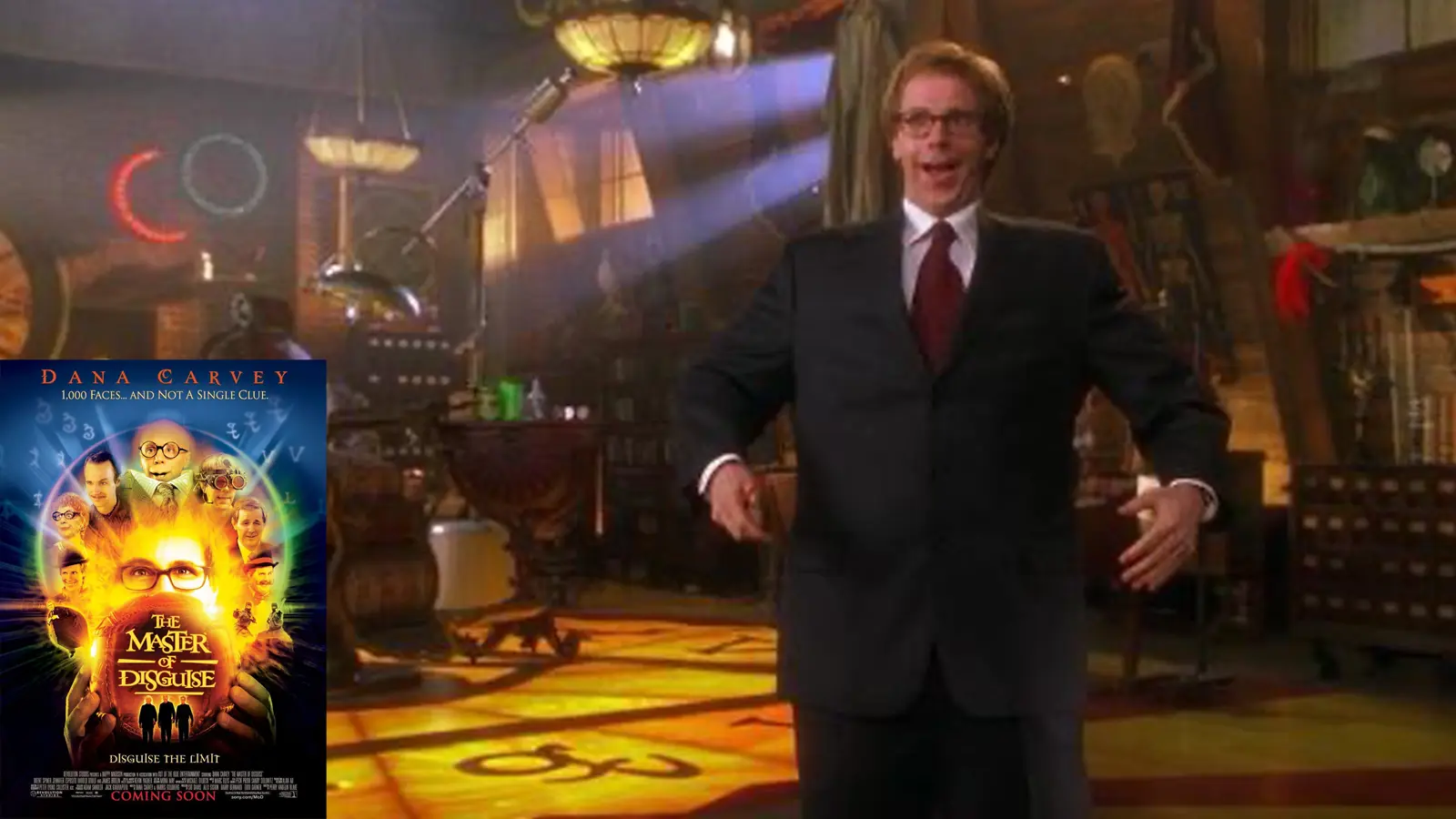
Photo: Revolution Studios