The History
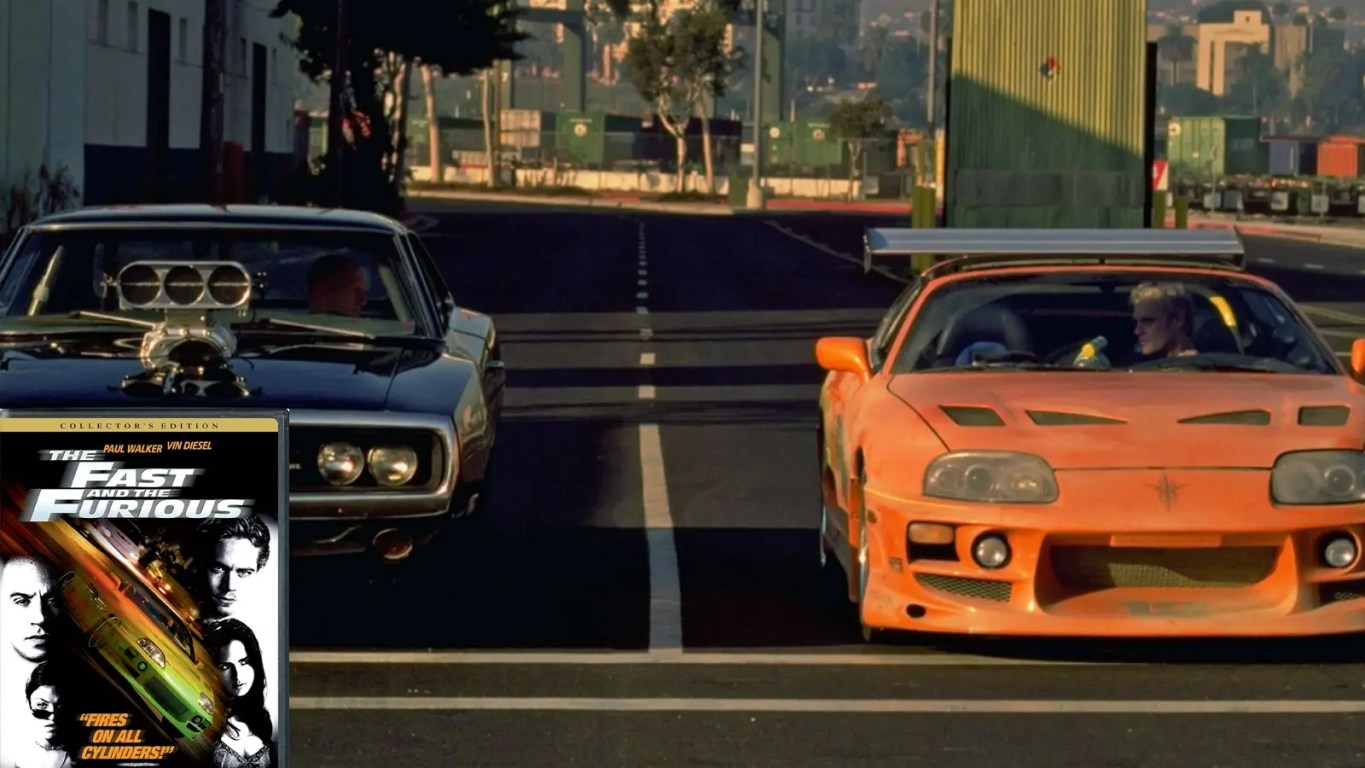
In the summer of 2001, the mainstream entertainment landscape witnessed a massive cultural re-engineering of automotive performance art. While competing studios gambled on bloated, high-concept visual properties, Universal Pictures quietly finalized a street-racing asset inspired directly by underground import tuner subcultures. Directed by Rob Cohen and shot by cinematographer Ericson Core, The Fast and the Furious completely reshaped the visual language of modern automotive cinema. The core production avoided standard green-screen limitations by pioneering practical hardware configurations, including the custom-built Mic Rig—a high-speed camera trailer operated by a professional stunt driver from a roof-mounted control pod, enabling actors Paul Walker and Vin Diesel to experience genuine, uncompressed G-force environments from inside the cabin. To simulate the optical reality of a nitrous oxide burst, the camera nodes utilized aggressive shutter-speed manipulation, shooting at 6 to 12 frames per second and stretching the exposure plates in post-production to create an immortal, light-streaking tunnel-vision aesthetic that defined a generation.
The Numbers
The mechanical build specifications and global financial ledgers for The Fast and the Furious represent one of the most explosive revenue runs in cinematic history. Produced on a modest layout of $38 million, the film completely crushed industry projections, securing $144.5 million domestically and climbing to a towering $207.3 million worldwide. Under the hood, the true hardware standouts were authentic enthusiast builds curated by technical advisor Craig Lieberman, led by the iconic 1994 Toyota Supra MKIV hero car pushing a dyno-tested 544 horsepower from a twin-turbocharged 2JZ-GTE engine module. Conversely, Dominic Toretto’s adversarial 1970 Dodge Charger R/T weaponized a massive BDS 8-71 Roots-style supercharger—a non-functional structural prop on the stunt platforms that layered the acoustic roar of a Chrysler 440 Magnum with recorded lion and rhinoceros growls to create a predatory sonic footprint. Following its theatrical deployment, the film triggered an instant 400% sales spike across the real-world automotive aftermarket parts sector, establishing a multi-billion dollar media empire. Today, original 2002 Widescreen Collector’s Edition DVD physical units stand as core historical items for film preservationists, carrying steady secondary market values of $8.00 USD.
The Verdict
“A pristine, high-octane masterpiece that beautifully transformed a localized street counter-culture into an indestructible global marketing matrix. By fully prioritizing real mechanical physics, predatory sound tracking, and revolutionary camera rigs over primitive digital environments, Cohen’s layout built the immortal source code for the largest automotive entertainment dynasty in history.”
The Trailer
The Archival Staple
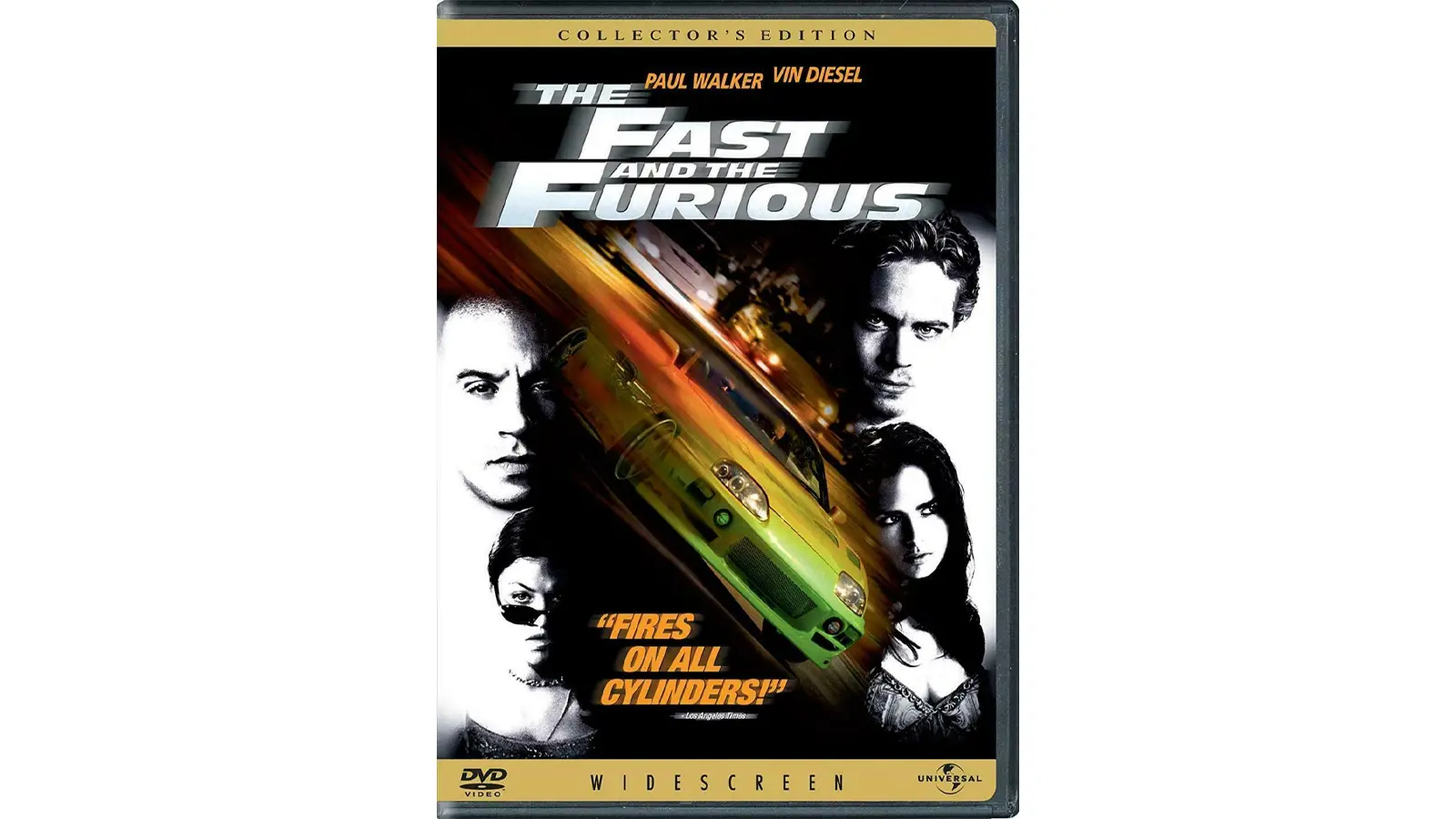
The Fast and the Furious (DVD, 2002, Widescreen Collector’s Edition)
Photo: eBay
For the real “Fast” OGs.
Featured Photo: Universal Pictures
*As an eBay partner, we earn commission from this link, which allows us to keep expanding our library*
RELATED: [THE FILES] 073 | Racer X: The Street-Legal Origins of ‘The Fast and the Furious’
RELATED: [THE FILES 066] | Grand Theft Auto (1997): The Glitch That Built an Empire
![[THE FILES] 281 : The X-Files (1998)](https://deckedoutmagazine.com/wp-content/uploads/2026/06/the_x_files_history_hero_image.webp)

![[THE FILES] 280 : Contact (1997)](https://deckedoutmagazine.com/wp-content/uploads/2026/06/jodie_foster_contact_history_hero_image.webp)