

February 8, 2026 — By the time the opening tip finally arrives, NBA All-Star Weekend has already told you what it is.
The images that travel fastest aren’t highlights, but outfits — players stepping out of tunnels dressed more like front-row fixtures than athletes. Brands unveil limited-run activations before a ball is even in play. Celebrities, creators and international media flood the host city, treating the weekend less like a game and more like a cultural summit. The basketball, at this point, is almost beside the point. That isn’t a problem for the league — it’s the design. What began as a showcase of elite competition has evolved into a multi-day cultural platform, one that fuses sport, fashion, media and global identity into an event that no longer needs the game itself to be the main attraction.
RELATED: Marketing the King: Why the Super Bowl Makes Sense for the Michael Jackson Biopic
Table of Contents
When All-Star Weekend Stopped Being About the Game
For years, conversations around NBA All-Star Weekend have fixated on what it’s lost — intensity, stakes, competitiveness. But framing the weekend as something that needs to be “fixed” misses the more important shift: All-Star didn’t lose its purpose, it changed it. As players gained more control over their image, and as social media compressed entire weekends into a handful of viral moments, the league began leaning into visibility over victory. The result is an event optimized less for the scoreboard and more for presence — a space where cultural relevance now matters as much as basketball excellence.
From the Tunnel to the Timeline
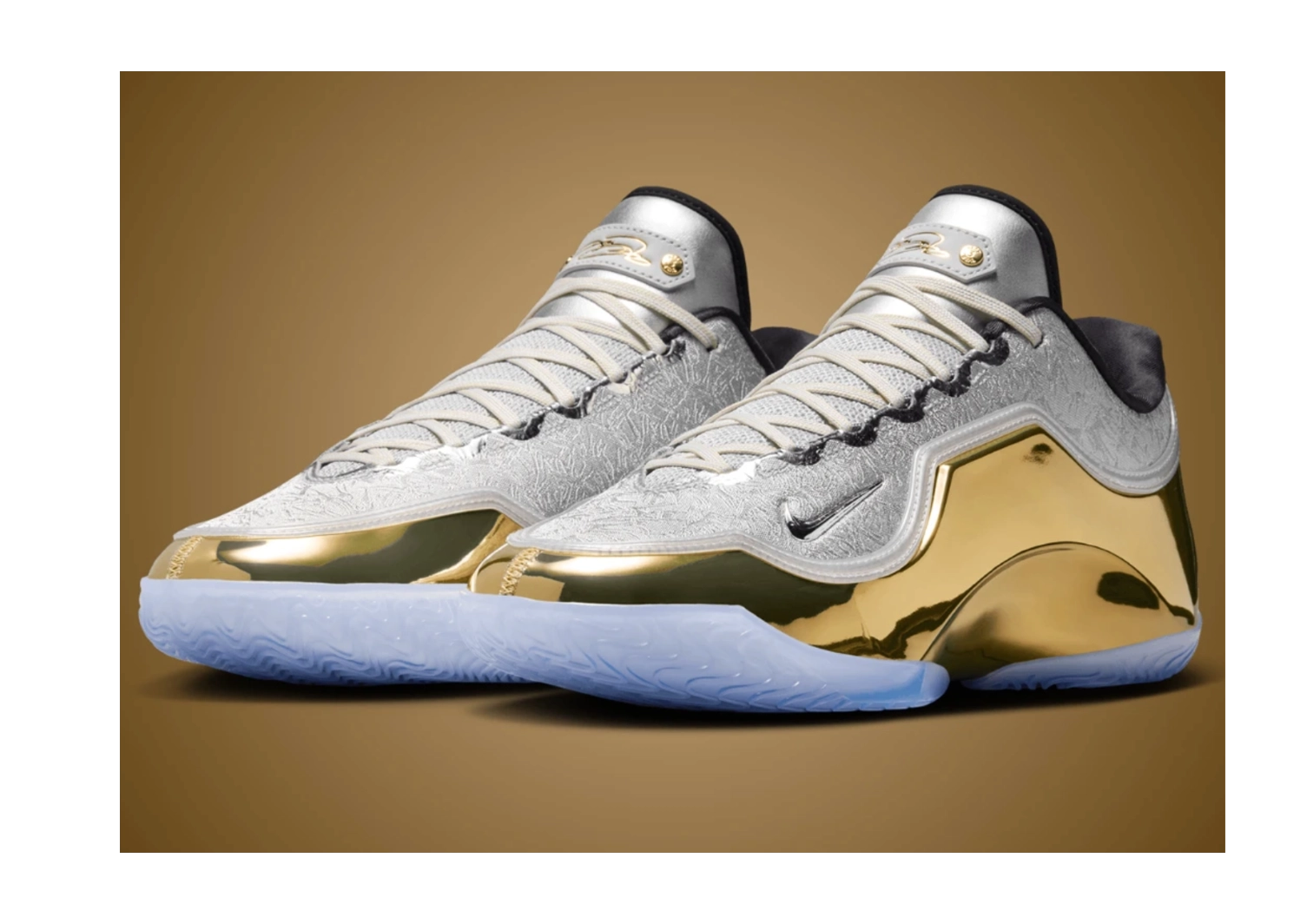
Long before the weekend’s biggest plays circulate, the tunnel has already done its work. What was once a functional hallway has become a runway — a controlled space where players signal taste, alignment, and cultural fluency. Brands understand this power, too, treating All-Star Weekend as a soft launch window for collaborations, sneakers, and aesthetic direction rather than performance gear. The result is a feedback loop where fashion moments often outpace basketball highlights, not by accident, but by design. In the modern All-Star ecosystem, visibility is currency, and the tunnel is where it’s minted.
Host Cities as Cultural Stages
For host cities, NBA All-Star Weekend functions less like a sporting event and more like a temporary cultural rebrand. The weekend offers a compressed window to project identity on a global scale — not just through arenas, but through neighborhoods, nightlife, pop-ups, and local creatives folded into the spectacle. Cities aren’t simply accommodating the league; they’re curating themselves for an international audience. In this way, All-Star Weekend becomes a stage where urban culture, commerce, and global visibility intersect, turning the host city into a short-term cultural capital rather than just a backdrop for basketball.
Celebrity and Media as Infrastructure
NBA All-Star Weekend now operates on a media logic as much as a sporting one. The presence of musicians, actors, creators, and executives isn’t incidental — it’s structural. Media companies treat the weekend like an industry checkpoint, scheduling interviews, live shows, and brand partnerships that often have little to do with the game itself. For celebrities, visibility during All-Star functions as cultural alignment; for the league, it reinforces basketball as a central node in a much larger entertainment ecosystem. The result is an event sustained by attention as much as athleticism, where media presence doesn’t document the moment — it helps create it.
The Global Turn
If All-Star Weekend once existed primarily for an American audience, that boundary has quietly dissolved. The NBA’s international stars are no longer novelties or side stories — they’re central figures in the weekend’s cultural economy, carrying global attention with them. All-Star has become a site of export, where basketball culture, fashion cues and media narratives travel outward in real time. Unlike events rooted in national tradition, the weekend translates easily across borders, positioning the NBA as both a sports league and a cultural brand with global fluency.
Why the Model Works
Criticism of All-Star Weekend often centers on what it no longer delivers: intensity, rivalry, stakes. But the league’s current model isn’t built to satisfy purists — it’s built to maximize relevance. All-Star succeeds because it prioritizes visibility over outcome, offering players, brands and media a shared cultural checkpoint rather than a competitive proving ground. In an era where attention is fragmented and moments move faster than games, the weekend’s flexibility is its strength. It functions less as a contest and more as a convergence.
What All-Star Weekend Is Now
NBA All-Star Weekend today feels less like a contest and more like a cultural convening — a temporary capital where basketball meets fashion, media, and global identity. Competitive stakes have taken a back seat to cumulative visibility, and that shift isn’t a loss of meaning so much as a redefinition of it. What matters now isn’t just who wins the game, but who is seen, who gets heard, and how the moment reflects the broader currents of contemporary culture.
RELATED: Why Deion Sanders’ Air Diamond Turf 2 Still Matters
Featured photo credit: Erik Drost NBA All-Star Crossover Event
Author Bio
Jael Rucker is the founder of Decked Out Magazine. She has previously worked as the Associate Commerce Editor at PureWow, focusing on analytics and trends to pitch stories and optimize articles that build and engage their audience. Her work has also been seen in Footwear News and WWD. Prior to 2024, she was the style and pop culture editor at ONE37pm for over three years, contributing numerous product reviews, brand profiles and fashion trend reports, which included interviewing Steph Curry, Snoop Dogg and more.
![[THE FILES] 193: Lupe Fiasco — Kick, Push (2006)](https://deckedoutmagazine.com/wp-content/uploads/2026/05/Lupe_fiasco_kick_pushy_hero_image-2000x1116.webp)

![[THE FILES] 192: The SpongeBob Game Boy Advance SP (2000s)](https://deckedoutmagazine.com/wp-content/uploads/2026/05/Screenshot-2026-05-25-at-8.30.13-PM.webp)