LOS ANGELES, CA — For years, car culture was built around spectacle. Bigger wings. Louder exhausts. Faster 0–60 times. You know the drill. The logic was simple: the more a car announced itself, the more cultural weight it carried.
In 2026, that logic doesn’t hold anymore.
The cars people actually care about today — the ones they screenshot, save, and quietly obsess over — aren’t trying to dominate attention. They aren’t begging to be noticed. They’re designed with restraint. With intention. Sometimes, almost with indifference.
And that’s exactly my point.
RELATED: Fleet Upgrade: Why JuJu Watkins Ditched the EQS for the Mercedes GLE Command Center
When Impressing Lost Its Power
There was a time when excess equaled relevance. Horsepower numbers were major flexes. Design was aggressive by default. A car’s job was to overwhelm.
But culture has moved on.
In fashion, we’ve watched logos shrink.
In tech, interfaces have slowly disappeared.
In interiors, maximalism gave way to calm.
This very same shift is happening in cars.
Trying too hard now reads as insecurity. Overdesign feels dated. Performance-first messaging sounds like a sales pitch instead of a philosophy. The culture doesn’t reward dominance anymore — it rewards discernment.
The real flex here is no longer having more.
The real flex here is knowing when enough is enough.
What “Not Trying” Actually Looks Like
This doesn’t mean cars have become boring. It means the intelligence has moved.
You see it in:
- OEM-plus builds that look untouched but feel deeply considered
- luxury sedans that prioritize balance over bravado
- EVs designed to integrate into life rather than dominate it
- performance cars that feel confident without theatrics
These vehicles aren’t neutral. They’re intentional.
They suggest:
- confidence without explanation
- taste without justification
- identity without performance
In a culture exhausted by hype cycles, that kind of restraint lands harder than any spec sheet ever could.
Why This Shift Matters
Cars have always been mirrors. What’s changed is what they’re reflecting.
Right now, culture values:
- curation over accumulation
- coherence over chaos
- signal over noise
The best cars today aren’t trying to impress because they don’t need to. They assume the person choosing them understands the language already.
That’s a cultural tell.
It suggests we’re moving away from spectacle as status — and toward intentionality as identity.
Decked Out Recommends: Cars That Get It Right
These aren’t rankings. They’re examples of a mindset.
- 2026 Genesis G70 — quiet, balanced and confident. No performance cosplay required.
- Honda Super-N — not chasing futurism, but integrating into everyday life with clarity.
Each of these choices says the same thing: I don’t need the car to speak for me.
The New Definition of Confidence
The loud era isn’t over because cars got slower or weaker.
It’s over because culture got smarter.
Today, the most compelling cars aren’t asking for attention. They’re assuming it.
And that might be the most powerful signal of all.
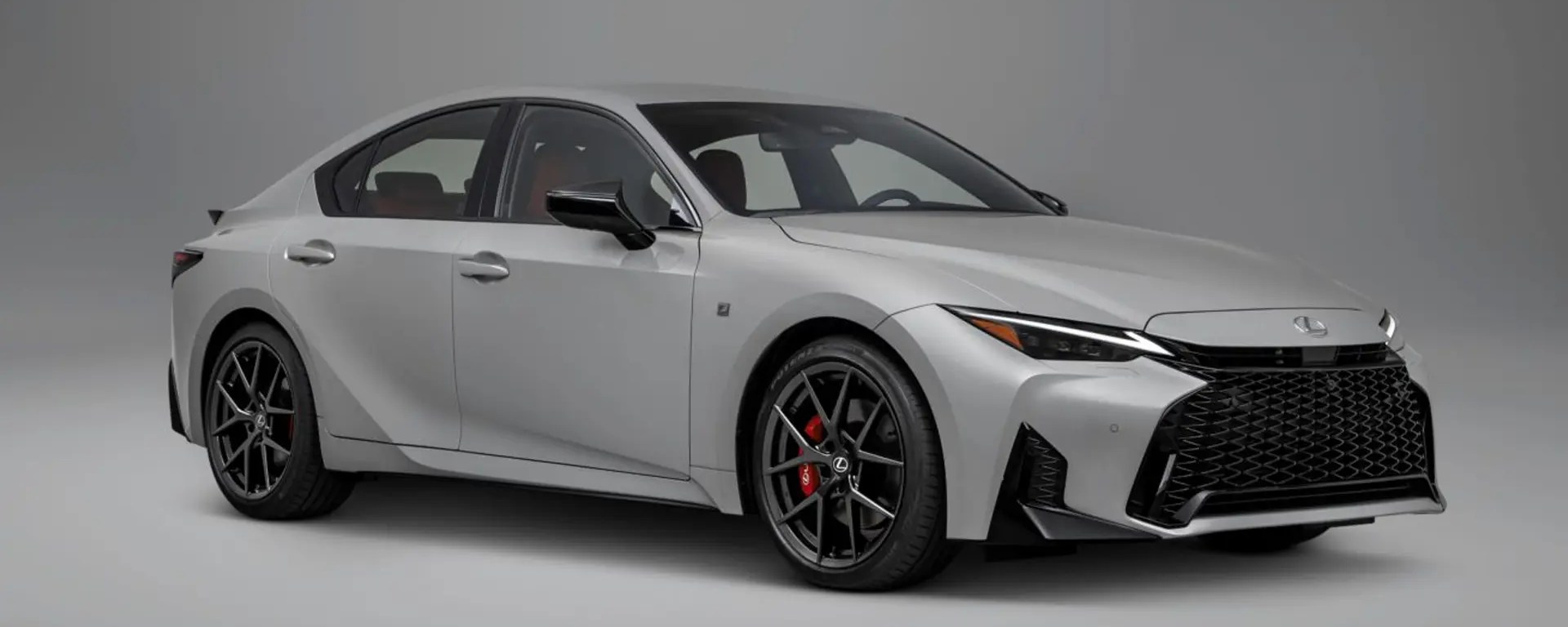
Featured photo courtesy of Lexus
Author Bio
Jael Rucker is the founder of Decked Out Magazine. She has previously worked as the Associate Commerce Editor at PureWow, focusing on analytics and trends to pitch stories and optimize articles that build and engage their audience. Her work has also been seen in Footwear News and WWD. Prior to 2024, she was the style and pop culture editor at ONE37pm for over three years, contributing numerous product reviews, brand profiles and fashion trend reports, which included interviewing Steph Curry, Snoop Dogg and more.


![[THE FILES] 193: Lupe Fiasco — Kick, Push (2006)](https://deckedoutmagazine.com/wp-content/uploads/2026/05/Lupe_fiasco_kick_pushy_hero_image-2000x1116.webp)