
By Jael Rucker: Published: January 17, 2026
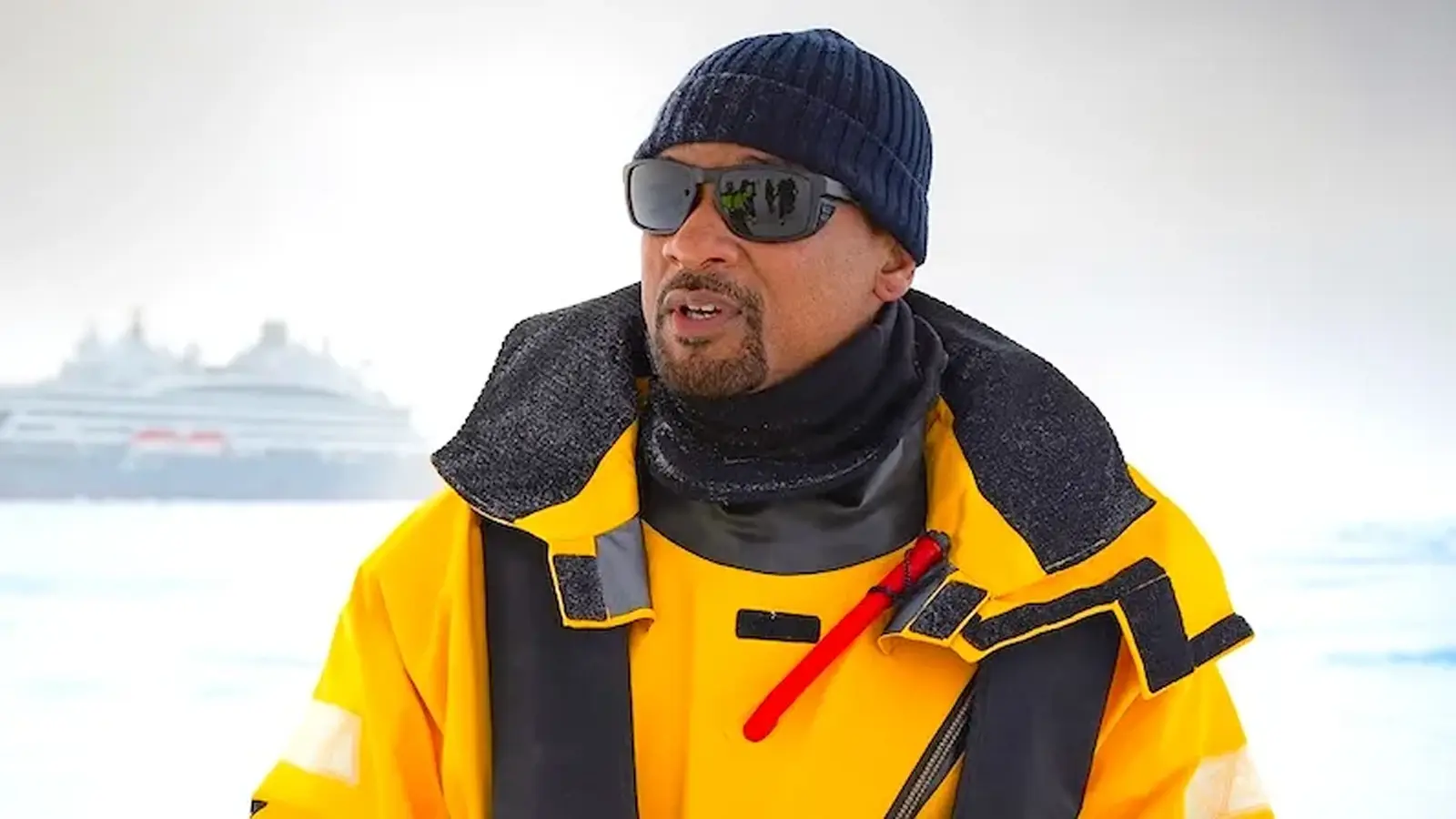
LOS ANGELES, CA — Will Smith is a man of many talents. Movie star, music star and now, National Geographic’s premier tactical explorer. Smith’s new seven-part series, Pole to Pole, premiered on January 13, and it is a visual masterclass. Per the synopsis, the series sees the actor “traveling from the South Pole to the North Pole across all seven continents, undertaking extreme challenges (like climbing ice walls, diving under ice and hunting snakes) alongside scientists and local experts to explore the planet’s most remote places, while also understanding environmental challenges and discovering profound human connections and personal growth along the way.”
But while the world watches Will milk tarantulas in the Amazon, we are looking at the tech that kept him alive—and connected—across all seven continents.
In This Article
- Connectivity: Starlink at the Bottom of the World
- Survival: The Gear for -100°F
- The Visuals: 8K Micro-Photography
- The Verdict: A Masterclass in Human Resilience
RELATED: The ‘Michael’ Movie Cast: From The Jackson 5 to Quincy Jones
Connectivity: Starlink at the Bottom of the World
One of the most significant technical milestones of the series was the team becoming the first to use Starlink in Antarctica. How so? Well, in previous expeditions, live communication was basically impossible. By using the Starlink maritime/mobility terminals, however, the production team was able to maintain a high-speed data link from the South Pole, allowing for real-time scientific data transfer and, of course, the actor’s social media updates from the edge of the world.
Survival: The Gear for -100°F
The premiere sees Smith scaling a 300-foot ice wall in Antarctica. When temperatures drop below -100°F, however, standard consumer electronics fail.
- The Fragility of Plastic: Expedition leader Richard Parks noted that at these temperatures, even steel becomes brittle and plastic cables simply fracture.
- The Tech Fix: The solution? The team relied on Garmin GPS units and heavily shielded, wired audio gear. Parks reportedly “snapped” three sets of headphones due to the cold—a reminder that in extreme environments, Analog reigns supreme.
The Visuals: 8K Micro-Photography
But if you’re going to go for it, then you might as well go all in, right? National Geographic pushed the limits of 2026 camera tech for this series.
- Micro-Photography: In the Arctic finale, the team used specialized microscopes to film phytoplankton photosynthesizing in real-time under the ice.
- High-Speed Rigs: To capture Smith’s reactions alongside the environment, the team built custom dual-camera rigs that shot in native 8K, ensuring the “cinematic scale” matches the 100-day ambition of the journey.
The Verdict: The New Standard for Adventure TV
Pole to Pole isn’t just a travel show; it’s a 26,000-mile product test. From the Iridum satellite systems to the vibes of Will’s personal journey, the show proves that with the right tech, the edges of the world are finally within reach.
Where to watch “Pole to Pole with Will Smith”
You can watch Pole to Pole here.
Author Bio
Jael Rucker is the founder of Decked Out Magazine. She has previously worked as the Associate Commerce Editor at PureWow, focusing on analytics and trends to pitch stories and optimize articles that build and engage their audience. Her work has also been seen in Footwear News and WWD. Prior to 2024, she was the style and pop culture editor at ONE37pm for over three years, contributing numerous product reviews, brand profiles and fashion trend reports, which included interviewing Steph Curry, Snoop Dogg and more.



![[THE FILES] 190 : Janet Jackson – All For You (2001)](https://deckedoutmagazine.com/wp-content/uploads/2026/05/janet_jackson_all_for_you_hero_image.webp)