

Wu-Tang: Shaolin Style (1999)
The History
Released for the original PlayStation on October 31, 1999, Wu-Tang: Shaolin Style stands as one of the most unapologetically raw, aggressive, and culturally significant crossovers in video game history. Developed by Paradox Development and published by Activision, the title arrived at a time when the legendary Staten Island hip-hop collective was a dominant force in global pop culture. The game’s storyline leans heavily into the group’s classic martial arts mythology, tracking the nine active members of the Wu-Tang Clan as they fight to rescue their master, Xin, from the clutches of an evil dark martial artist named Mong Zhu. Rather than delivering a watered-down licensed product, Activision famously rescued the banned code of an unreleased engine to give the Clan a gritty, underground fighting stage.
The Numbers
Financially, Shaolin Style became a massive cult success for Activision, driving major hardware accessory sales due to its unique couch co-op mechanics. The game was built using the controversial, highly violent engine originally developed for Paradox’s canceled game Thrill Kill. By repurposing this technology, the developers were able to introduce unprecedented four-player simultaneous arena brawling on the PS1, requiring the PlayStation Multitap accessory for the full experience. The game featured a massive, multi-tiered story mode (“Chambers”), unique martial arts disciplines for each member, and an incredible soundtrack packed with exclusive instrumental tracks and vocal verses mixed directly by the RZA.
Key Facts
- The game utilizes a special “Parental Lock” code system; without entering the secret password, the game removes its heavy blood splatters and signature, over-the-top finishing moves.
- Every member of the Wu-Tang Clan—including Method Man, RZA, GZA, Raekwon, Ghostface Killah, Inspectah Deck, U-God, Masta Killa, and Ol’ Dirty Bastard—recorded custom voice lines and was individually motion-captured to reflect their real-life style.
- The gameplay mechanics heavily feature extreme, character-specific “Fatalities” directly inspired by classic kung-fu cinema, allowing players to decapitate or dismember opponents at the end of a match.
- The game’s specialized “36 Chambers” story mode forced players to complete difficult combat challenges to unlock secret characters, artwork, and behind-the-scenes interview videos.
- Decades after its 1999 release, physical copies are considered highly prized crown jewels by retro gaming collectors and hip-hop historians alike, celebrated as a definitive artifact of the late-90s music landscape.
Related Files
- Def Jam Vendetta (2003)
- Jackie Chan: Stuntmaster (2000)
- Wu-Tang Clan – Enter the Wu-Tang (36 Chambers) (1993)
- Thrill Kill (1998 – Unreleased)
- Tekken 3 (1998)
The Trailer
A Still from the Game
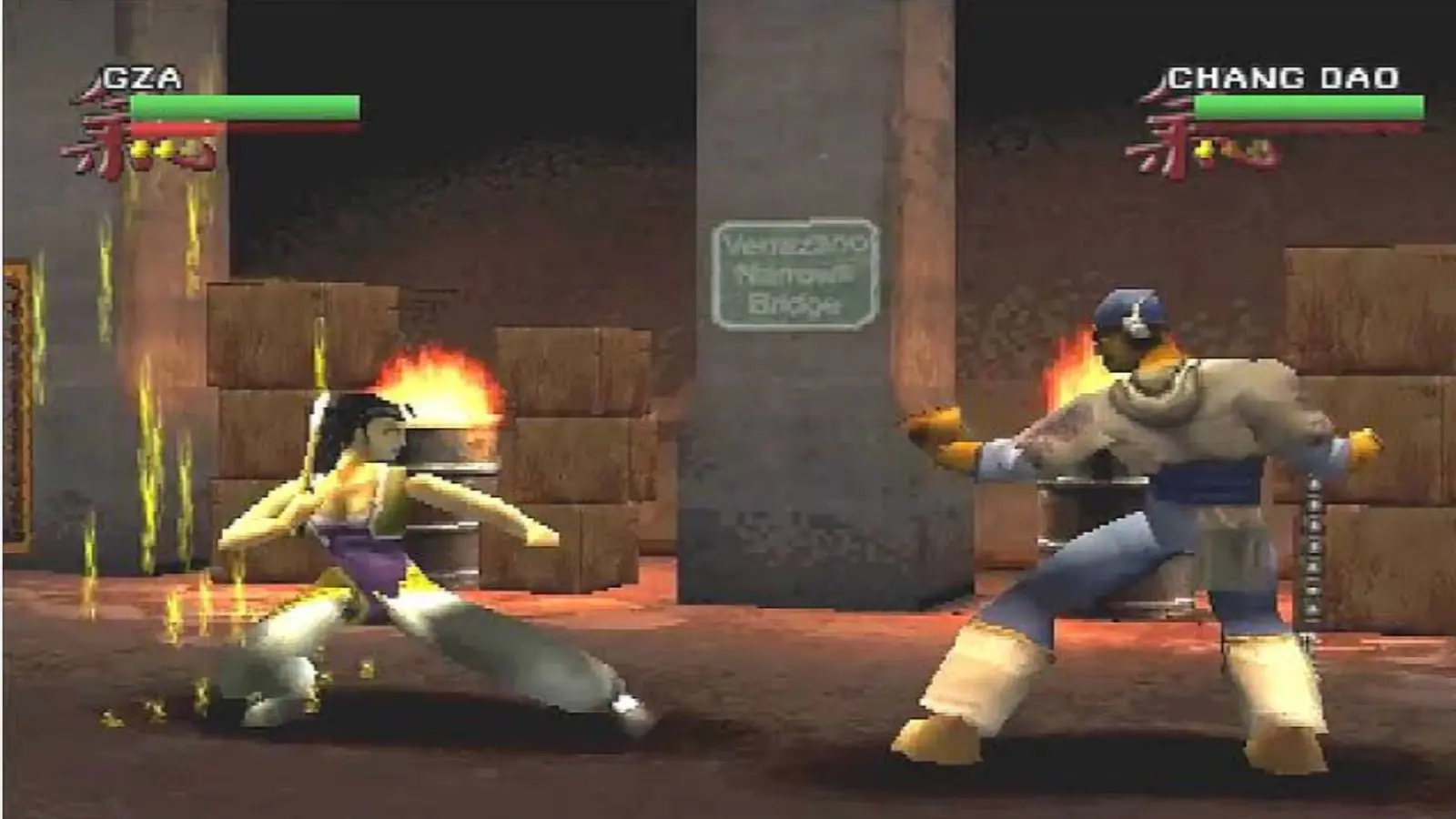
Featured Photo: Paradox Development


![[THE FILES] : Shaggy – Angel (2001)](https://deckedoutmagazine.com/wp-content/uploads/2026/06/Shaggy_angel_music_history_hero_image.webp)