
The History
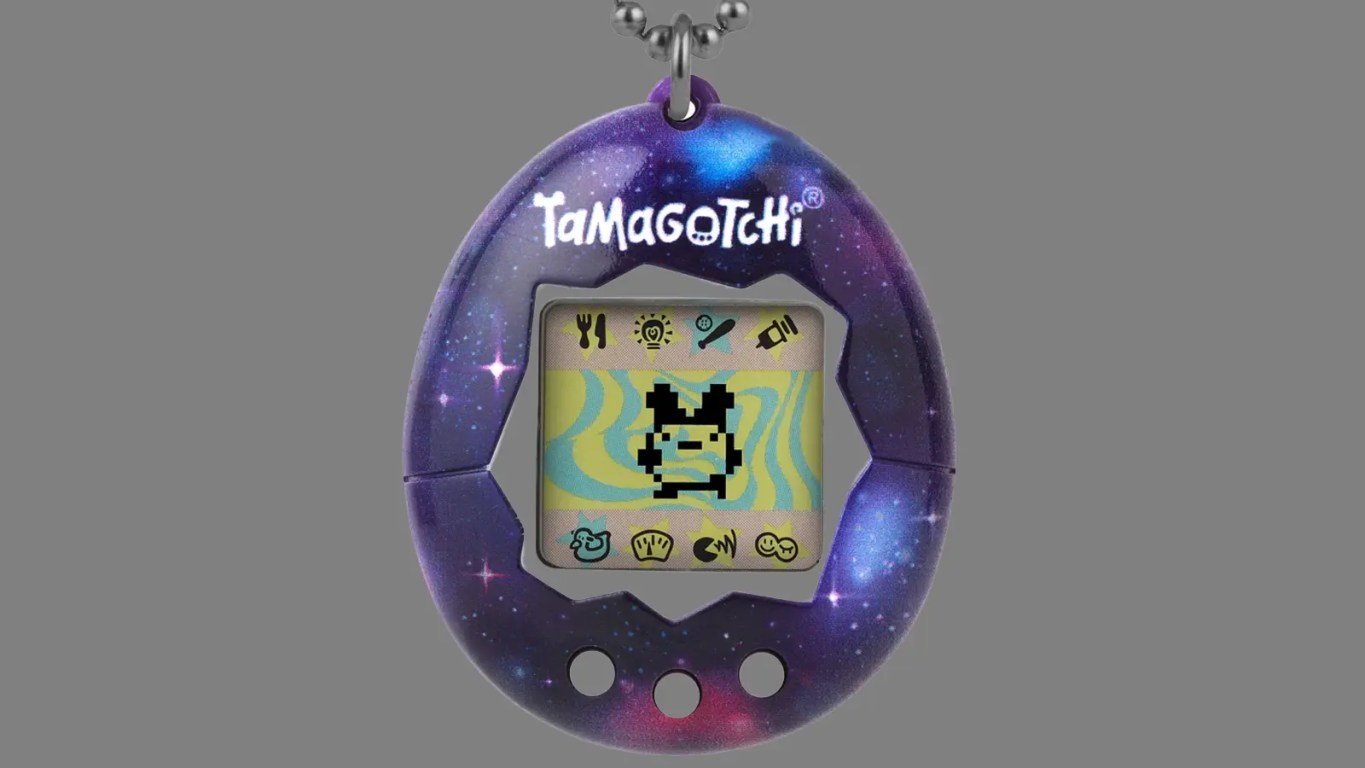
In the late-1990s domestic toy landscape, consumer attention was fiercely dominated by large, asset-heavy plastic action figures and mechanical interactive plush concepts. Bandai fundamentally disrupted this paradigm by launching an object built entirely around a microscopic, low-fidelity liquid crystal display (LCD) matrix. Conceived by Aki Maita and Akihiro Yokoi, the **Tamagotchi**—a portmanteau of the Japanese word for egg (tamago) and the English word watch (uochi)—formally launched its global western rollout in May 1997. Encased in a minimalist, egg-shaped plastic fob that comfortably slid onto a standard keychain, the hardware architecture was intentionally primitive, relying on a basic 4-bit central processing unit and just three tactile input buttons labeled A, B, and C. The genius lay not in the hardware processing capabilities, but in the psychological game design loop. By assigning a persistent, real-time life cycle to an alien creature requiring constant care, feeding, cleaning, and disciplinary interaction, Bandai engineered a powerful loop of artificial empathy. It completely redefined the virtual pet subculture, turning software maintenance into a frantic lifestyle mandate for millions of children and adults globally.
The Numbers
The commercial scale and rapid market penetration of the original generation Tamagotchi shattered all domestic tracking expectations. Debuting at an original retail price barrier of just **$15.00 USD**, the device triggered massive inventory shortages across major retail channels like Toys “R” Us and Target. Bandai’s manufacturing infrastructure was utterly unprepared for the demand curve, leading to high-profile consumer waiting lists and a rampant secondary auction environment where single units cleared over $100 in local newspaper classifieds. During its initial vintage production cycle spanning from late 1996 to 1999, the original configuration cleared a monumental **40 million units worldwide**, with 12 million units absorbed purely by the United States and Canadian markets. The franchise has generated over **98 million global unit sales lifetime**, leaving a permanent structural footprint that single-handedly established the foundation for the entire modern digital simulation and virtual pet ecosystem.
The Verdict
“An absolute triumph of minimalist software design. By expertly leveraging primitive LCD screen limits to simulate a living relationship, Bandai bypassed the standard mechanical toy lifecycle to engineer a multi-million dollar masterclass in consumer attachment.”
The Toy
RELATED: [THE FILES] 192: The SpongeBob Game Boy Advance SP (2000s)
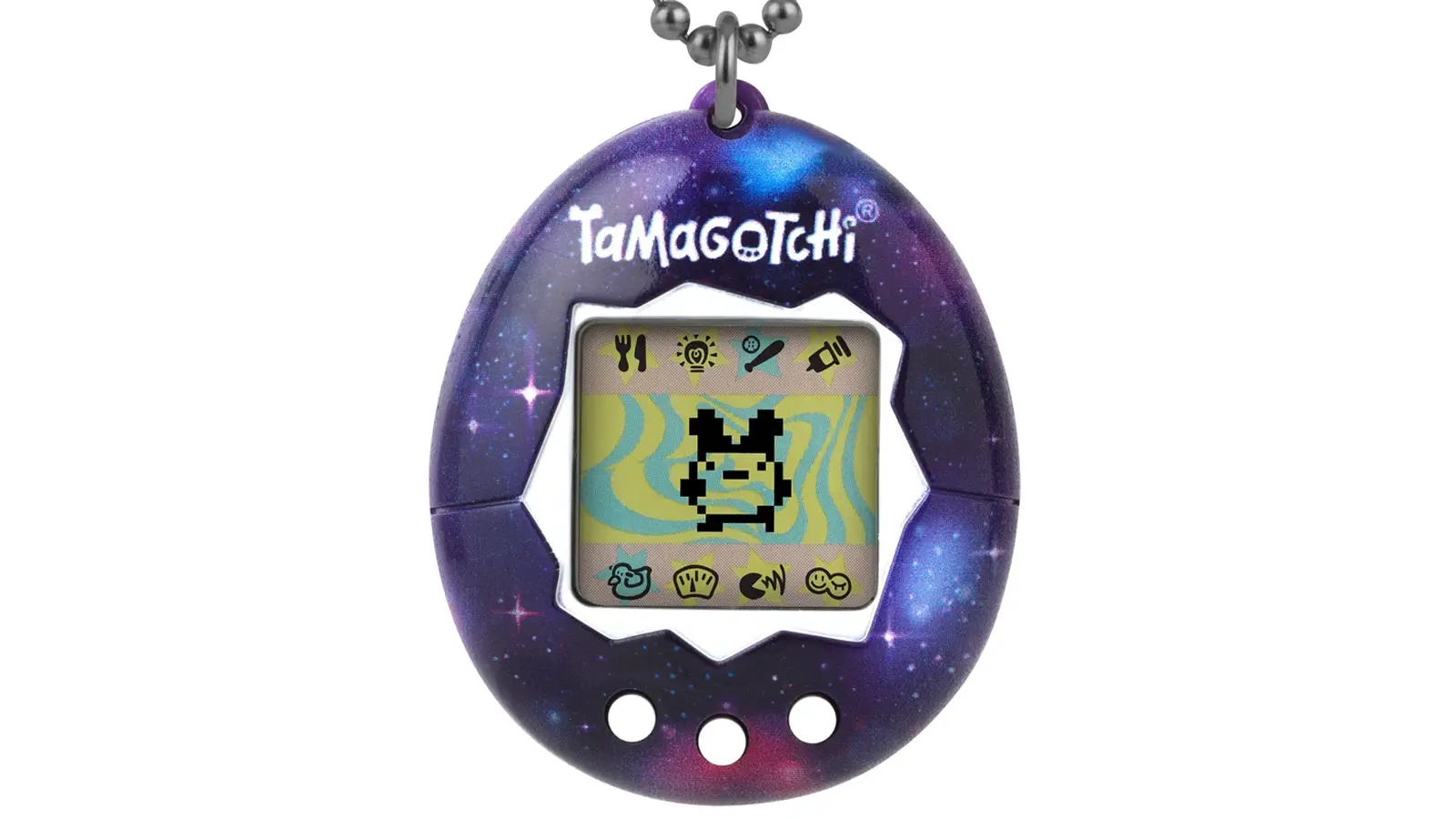
Featured Photo: Tamagotchi


![[THE FILES] : Agent Cody Banks (2003)](https://deckedoutmagazine.com/wp-content/uploads/2026/04/agent_cody_banks_hero_image.webp)