- The Release: October 27, 2003
- The Architect: Neversoft
- The Hardware: PS2, Xbox, GameCube
- The Slogan: “True to the streets”
- The Innovation: The first “Story Mode” in the series, and the ability to walk on foot
Before 2003, the Tony Hawk games were arcade masterpieces. You picked a pro, you hit a timer, and you scored. Needless to say, Tony Hawk’s Underground (also known as THUG) deleted that code, introducing a world where you started in New Jersey with a beat-up board and a dream, turning the game into a global journey of betrayal and redemption. It was a bold experiment, one that prioritized storytelling and personality over high scores. By introducing a cinematic story mode, the ability to physically dismount your board, and a level of customization that felt years ahead of its time, Underground didn’t just capture skate culture—it allowed you to live it.
This was the game that proved the Tony Hawk franchise had a soul, transforming a simple sports game into a definitive cultural touchstone for the early 2000s.
Underground is the next file entry in our library.
RELATED: [THE FILES] 033 | The Neversoft Engine: A Technical Review of Tony Hawk’s Pro Skater (1999)
Table of Contents
The Rivalry: The Eric Sparrow System Error
The genius of Underground was its antagonist. Eric Sparrow isn’t just a rival; he is the most effective “System Villain” in gaming history.
- The Betrayal: Eric starts as your childhood friend, but as you climb the ranks, his “Mainframe” becomes corrupted by fame and ego.
- The Heist: The moment Eric steals your footage of the McTwist over the helicopter in Hawaii and claims it as his own to go pro remains the ultimate narrative gut-punch.
- The Resolution: The game culminates in a raw, winner-takes-all skate-off back in Jersey, allowing the player to finally override Eric’s stolen legacy.
The ‘On-Foot’ Patch: Breaking the Board Logic
Underground was also the first game to let you press a button and dismount.
- The World-Building: Being able to climb ladders and explore rooftops made levels like Manhattan and Moscow feel like living cities rather than just flat skate parks.
- Mobility: This allowed for “Caveman” combos—jumping off the board, running up a set of stairs, and jumping back on to keep a score multiplier alive.
The Custom UI: “Face-In-Game”
For the first time, the “Player Character” wasn’t a preset pro; it was an extension of the user.
- The Tech: Using the PlayStation 2 EyeToy (or a digital photo upload), players could actually put their own face on their skater—a high-tech immersion tactic that made the “rise to fame” feel personal.
- The Sponsorship Sync: Choosing between real-world teams like Birdhouse, Element, Flip, Girl or Zero brought the actual “Marketing OS” of the 2003 skate industry into the game world.
The Soundtrack: The 2003 Street Frequency
The soundtrack was a massive, 70-track archive that perfectly captured the “Rehearsal Core” of the era.
- The Vibe: It leaned away from the pure pop-punk of the early games and introduced heavy doses of underground hip-hop (Quasimoto, Jurassic 5) and thrash metal (Slayer, Mastodon).
- The Impact: It didn’t just provide background noise; it established the aesthetic for the emerging “skate-vlog” culture that was taking over the real world.
The ‘Decked Out’ Verdict

Featured Photo: Neversoft
Underground proved that sports games could have a narrative heartbeat, taking the series from a high-score chase to a cinematic experience, cementing its place as the definitive skate game for a generation that wanted to be “true to the streets.
The Archival Staple
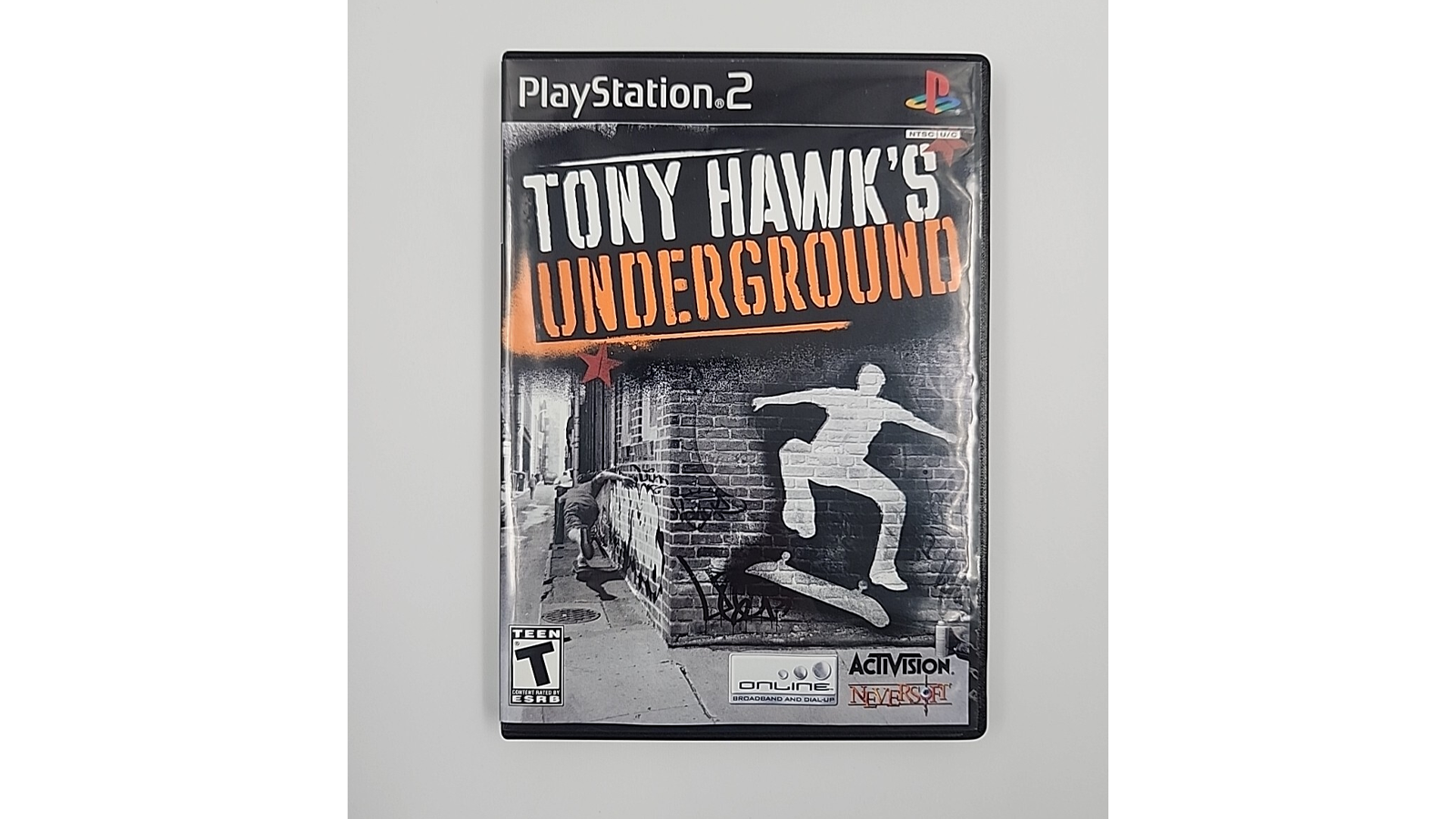
*As an eBay partner, we earn commission from this link, which allows us to keep expanding our library*
RELATED: [THE FILES] 027 | Rocket Power: Team Rocket Rescue (2001): The 32-Bit Extreme Sports Blueprint
RELATED: [THE FILES] 026 | Brink! (1998): Engineering the Soul-Skater Era
Featured Photo: Neversoft
Author Bio
Jael Rucker is the founder of Decked Out Magazine. She has previously worked as the Associate Commerce Editor at PureWow, focusing on analytics and trends to pitch stories and optimize articles that build and engage their audience. Her work has also been seen in Footwear News and WWD. Prior to 2024, she was the style and pop culture editor at ONE37pm for over three years, contributing numerous product reviews, brand profiles and fashion trend reports, which included interviewing Steph Curry, Snoop Dogg and more.


![[THE FILES] : Christina Milian: AM to PM (2001) : Single Overview, Background, Impact](https://deckedoutmagazine.com/wp-content/uploads/2026/07/IMG_5133.webp)