
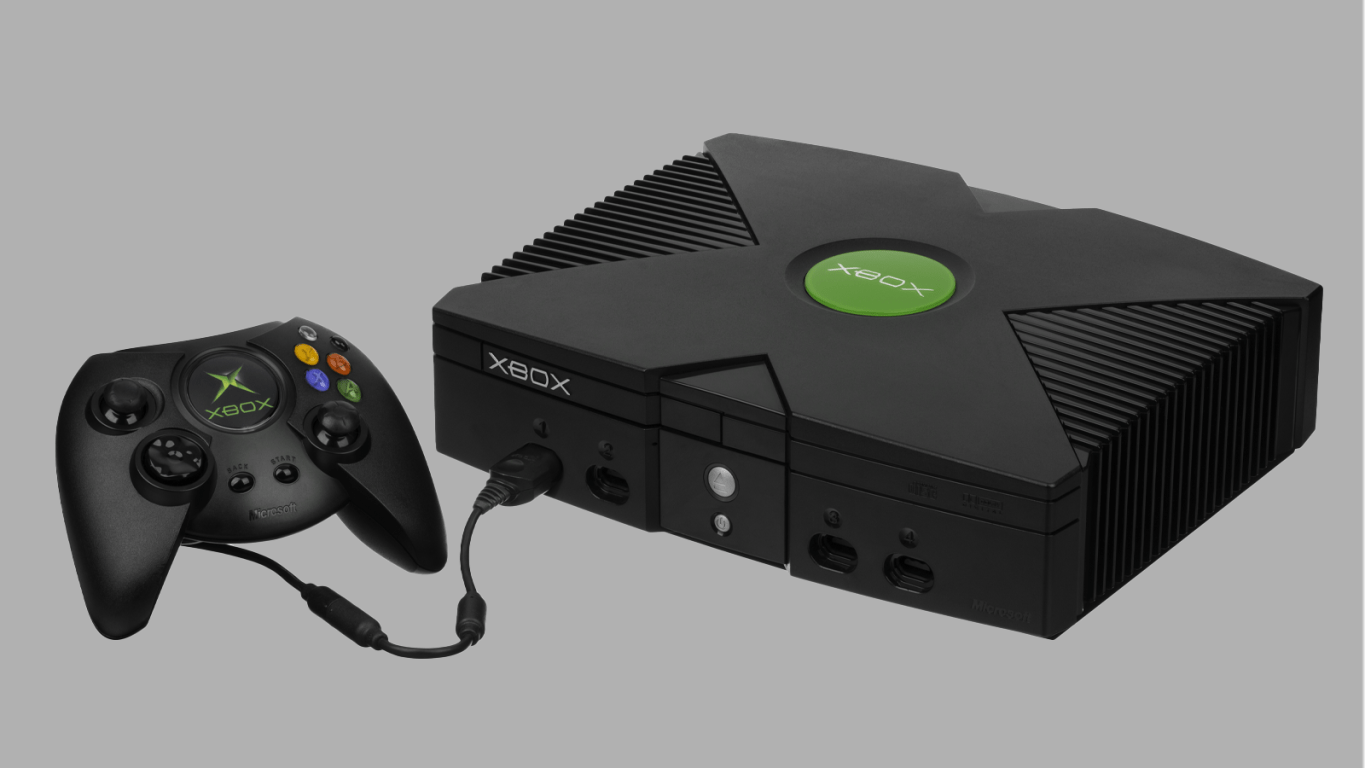
On November 15, 2001, Bill Gates and The Rock stood on a stage in Las Vegas to debut a machine that most analysts thought was a suicide mission for Microsoft. At the time, the gaming landscape was a Japanese-led duopoly, and no American company had successfully challenged the status quo since the collapse of Atari. But the Xbox wasn’t just a console; it was a $4 billion defensive maneuver designed to protect the future of the personal computer.
25 years later, the “Green Jewel” has evolved from a scavenged collection of PC parts into a global ecosystem that spans consoles, PCs, and the cloud. This is the technical deep dive into how Microsoft’s “DirectX Box” changed the industry forever.
RELATED: Wanta Fanta? Xbox is Taking Over Your Fridge with a Secret Flavor and ‘Fantastic’ Gaming Skins
Table of Contents
The “DirectX” Box: Origins (1998–2001)
The original Xbox was born out of institutional fear. Microsoft’s leadership saw the impending launch of the PlayStation 2 as a threat to the Windows PC—a “Trojan Horse” that would bring DVD playback and internet connectivity into the living room without a Microsoft license.
- Project Midway: In 1998, four engineers from the DirectX team—Kevin Bachus, Seamus Blackley, Ted Hase and Otto Berkes—began pitching a console built on PC architecture. The codename “Midway” was a direct reference to the Battle of Midway, symbolizing Microsoft’s intent to defeat the dominant Japanese forces (Sony and Nintendo) in the console war.
- The “Frankenstein” Prototype: To prove the concept to Bill Gates, the team literally purchased several Dell laptops, stripped them of their internal parts and reassembled them into a makeshift console running a stripped-down version of Windows 2000 and DirectX 8.
- The Naming Battle: Marketing hated the name “Xbox.” They tested over 20 alternatives, but the engineers’ shorthand for the “DirectX Box” had already stuck with the developer community.
The Hardware Gamble: PC Tech in a Box
Unlike its competitors, which used proprietary, custom-made chips, the Xbox was a high-performance PC disguised as an appliance.
- The “Duke” & The Disk: The features, you ask? A built-in 8GB Hard Drive and an integrated Ethernet port. In 2001, critics called this an expensive mistake. By 2002, with the launch of Xbox Live, it became the gold standard for online gaming.
- The Loss Leader: Microsoft reportedly lost over $125 on every console sold, totaling a $4 billion loss over the first generation. They were betting everything on software sales—and they had a secret weapon.
The “Halo” Effect (2001–2010)
Microsoft didn’t just build a console; they bought a savior. By acquiring Bungie in 2000 and pivoting Halo: Combat Evolved from a Mac-exclusive strategy game to a first-person shooter, they defined the “American Console” aesthetic. Halo proved that shooters could work on a controller, effectively ending the mouse-and-keyboard monopoly on the genre and establishing the Xbox as the home for competitive gaming.
2026: The 25th Anniversary Strategy
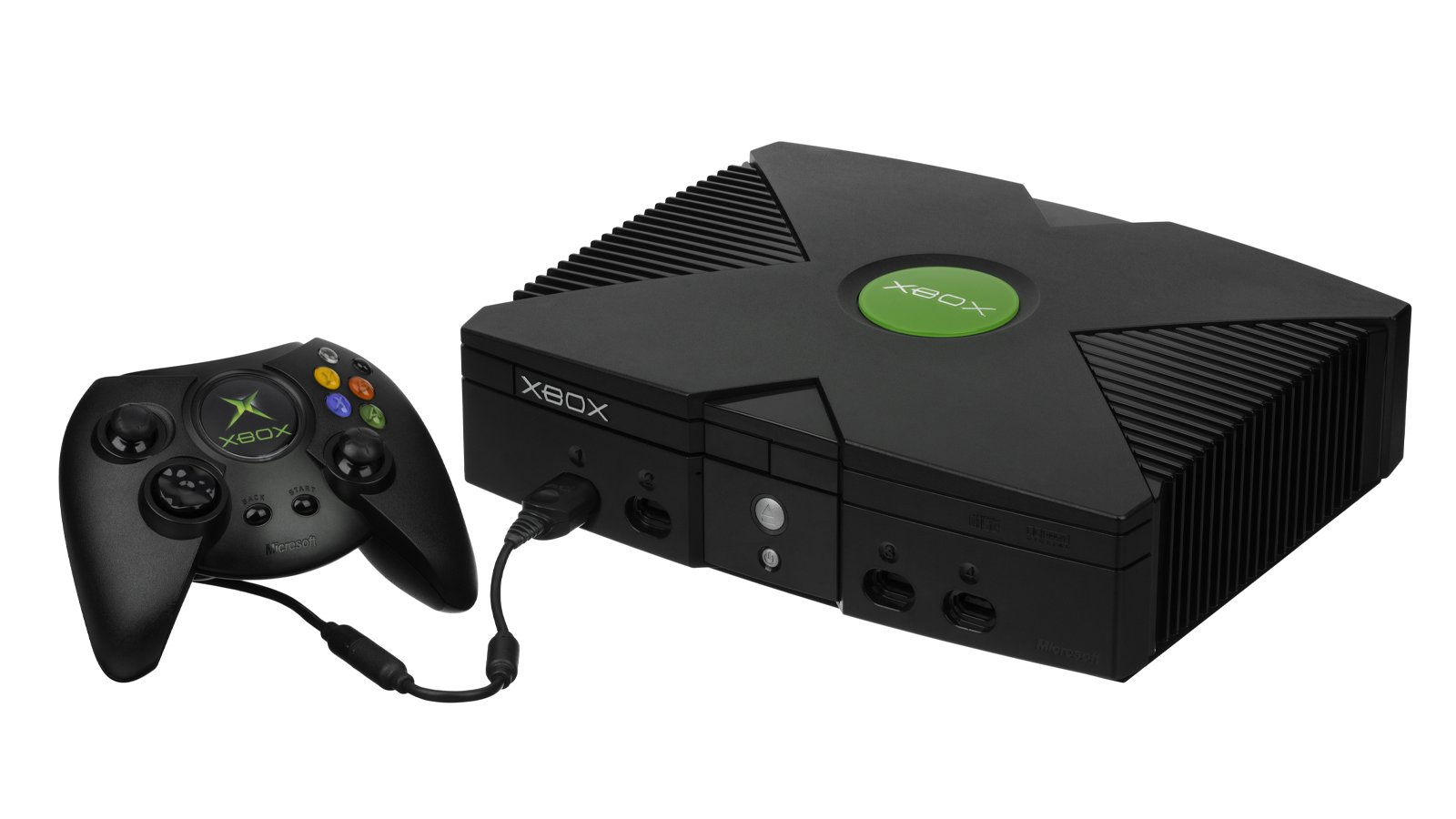
Featured Photo: Xbox
As of April 6, 2026, Microsoft is using this milestone to pivot back to its roots while embracing a future without borders.
- The FanFest Tour: Just announced last week, the Xbox FanFest Tour 2026 is hitting 8 global cities—including Tokyo, London and Mexico City—to celebrate the players who built the brand.
- The “Four Horsemen” Roster: To mark the 25th year, Xbox is bringing back its foundation. 2026 is the year of Forza Horizon 6 (May 19), Halo: Campaign Evolved (Summer), Fable (Fall) and Gears of War: E-Day.
- The “Project Helix” Rumor: Industrial whispers suggest that the 25th anniversary on November 15 will culminate in the announcement of a dedicated Xbox Handheld, finally bringing the “DirectX Box” into the palm of the hand.
The Next 25 Years of Play
The history of the Xbox is a 25-year case study in industrial resilience. What began as a “Frankenstein” project of scavenged PC parts has survived the “Red Ring” crisis, the multimedia pivots of the 2010s, and the end of the traditional format wars.
As of April 6, 2026, Microsoft is no longer just defending the living room; they are dismantling its walls. With the Xbox FanFest Tour kicking off in eight global cities and the rollout of “Xbox Mode” for Windows 11 this month, the brand is transitioning from a “box” into a ubiquitous service.
Featured Photo: Xbox
RELATED: [THE FILES] 087 | The Godzilla ‘98 Tactical Taco Bell Takeover
Author Bio
Jael Rucker is the founder of Decked Out Magazine. She has previously worked as the Associate Commerce Editor at PureWow, focusing on analytics and trends to pitch stories and optimize articles that build and engage their audience. Her work has also been seen in Footwear News and WWD. Prior to 2024, she was the style and pop culture editor at ONE37pm for over three years, contributing numerous product reviews, brand profiles and fashion trend reports, which included interviewing Steph Curry, Snoop Dogg and more.

![[THE FILES] 088 | Ludacris – ‘Act a Fool’ (2003) Tactical Visuals](https://deckedoutmagazine.com/wp-content/uploads/2026/04/ludacris_act_a_fool_hero_image.png)
