
- Chassis Architecture: 35mm Anamorphic CinemaScope (2.35:1)
- Digital Lead: Manex Visual Effects (Architects of the Matrix “Bullet Time”)
- Director: Andrzej Bartkowiak (Former Cinematographer for Speed)
- Hardware Spotlight: The “X-Ray” Skeletal Visuals
- Soundtrack Architecture: Timbaland & Aaliyah
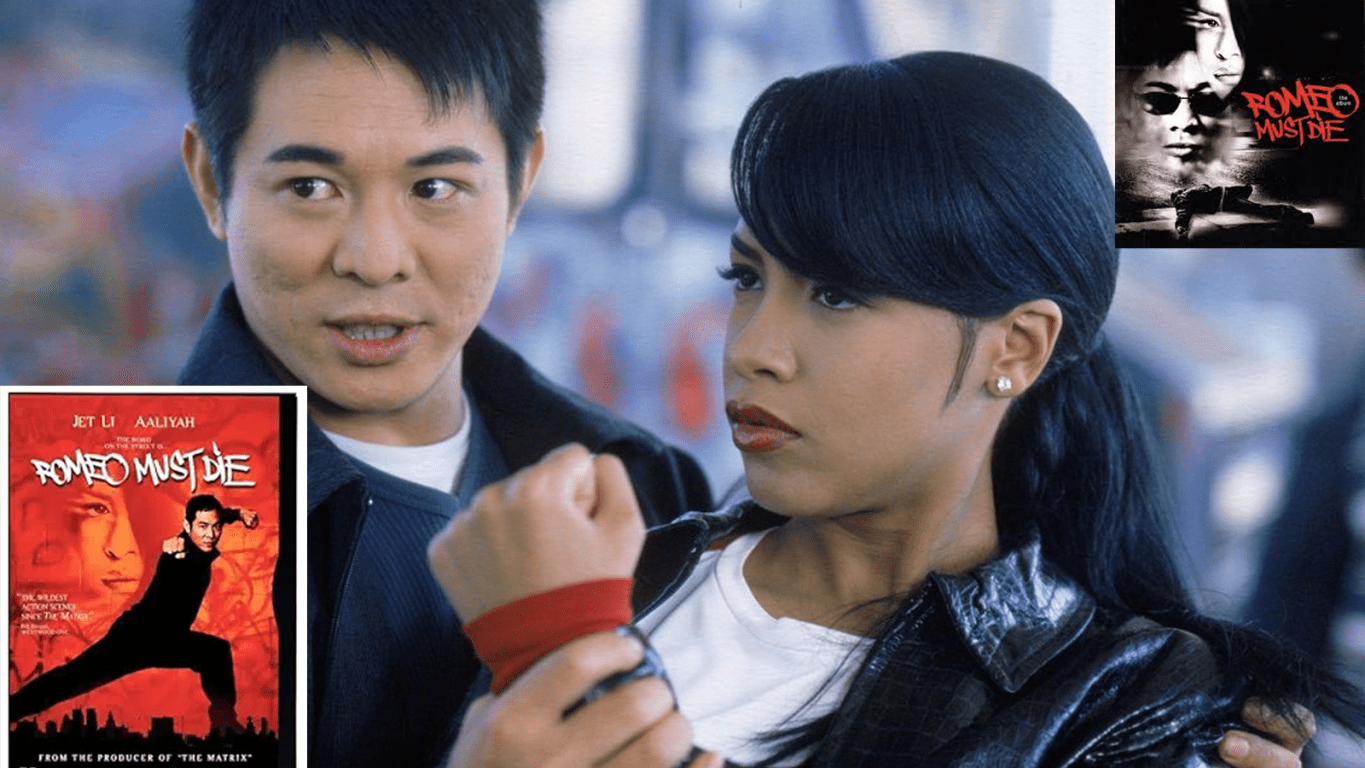
Released in March 2000, Romeo Must Die served as the North American laboratory for “Action-Tech.” Following the global disruption of The Matrix, producer Joel Silver utilized the same visual effects house (Manex) to evolve Jet Li’s traditional martial arts into a hyper-stylized, digital-hybrid. It wasn’t just a movie; it was a 115-minute proof of concept for how Hong Kong stunt hardware could be optimized with Hollywood’s emerging CGI toolkit.
Romeo Must Die is our next file.
RELATED: [THE FILES] 017: The 6th Man (1997) – The Ghost in the Machine
Table of Contents
The Hardware: The X-Ray Impact Suite
The film’s most disruptive technical element was the “X-Ray” internal combat view.
- The Logic: Borrowed from the 1974 Sonny Chiba classic The Street Fighter, but updated with 2000-era CGI. When Jet Li (Han Sing) delivers a terminal strike, the camera transitions into a digital X-ray view of the opponent’s skeletal failure.
- The VFX Stack: Manex mapped Jet Li’s physical strikes onto digital skeletons in 3D space. This provided a “Biological Hardware” audit of every fight—showing the literal snapping of vertebrae and ribs as a result of kinetic force.
- Wire-Work 2.0: Unlike the “floaty” Hong Kong style, choreographer Corey Yuen utilized Western-grade tensile wires and motorized pulleys to make Jet Li’s physics-defying movements feel “heavy” and impactful on screen.
The Aesthetic Hardware: Aaliyah’s “Try Again” Tech
The film’s visual identity was inextricably linked to Aaliyah’s futuristic R&B aesthetic.
- The Wardrobe: Designed with a “Tactical Chic” logic—think D&G cargo pants, cropped PVC jackets, and metallic-motif silks. It was the bridge between 90s streetwear and the “Digital Minimalist” fashion of the early 2000s.
- The Sonic Architecture: The soundtrack, led by the Timbaland-produced “Try Again,” was a technical marvel. It utilized glitchy, polyrhythmic drum machines that perfectly matched the stutter-cut editing style of the action sequences.
The Automotive File: The Mercedes-Benz W202 C43 AMG
A deep cut for car enthusiasts, the film featured the Mercedes-Benz W202 C43 AMG as a primary status symbol.
- The Engine: A 4.3L V8 stuffed into a compact C-Class chassis—a masterclass in “Sleeper Hardware” that matched Jet Li’s “small but lethal” screen presence.
The Aesthetic: Aaliyah’s Tactical Futurism
- The Visuals: Aaliyah’s costume design by Sandra Hernandez established the “Street-Tactical” hardware look—low-rise cargo pants and metallic-sheen fabrics that would dominate the 2000-2004 era.
The Legacy: A Blueprint for Digital Combat
Romeo Must Die remains a pivotal case study in the evolution of the “Action-Tech” sub-genre. It didn’t just import Hong Kong action; it re-engineered it for a digital-first audience, proving that CGI could be used to enhance the visceral reality of martial arts rather than replace it. From the “X-Ray” visuals that paved the way for the Mortal Kombat “Fatalities” to the “Tactical-Chic” wardrobe that defined the turn-of-the-century aesthetic, the film stands as a high-performance relic of the Y2K era. It remains the definitive “Hardware Audit” of a moment when cinema, hip-hop, and Silicon Valley tech first truly collided.
The Archival Staple

Romeo Must Die DVD
Photo: Amazon
Physical media is making a comeback, and trust me when I say you need the DVD for this one.
*As an Amazon partner, we earn commission from these links, which allows us to continue expanding our library.*
RELATED: [THE FILES] 020: The Wiz (1978) – The Emerald Architecture
Featured Photo: Silver Pictures; Amazon
Author Bio
Jael Rucker is the founder of Decked Out Magazine. She has previously worked as the Associate Commerce Editor at PureWow, focusing on analytics and trends to pitch stories and optimize articles that build and engage their audience. Her work has also been seen in Footwear News and WWD. Prior to 2024, she was the style and pop culture editor at ONE37pm for over three years, contributing numerous product reviews, brand profiles and fashion trend reports, which included interviewing Steph Curry, Snoop Dogg and more.