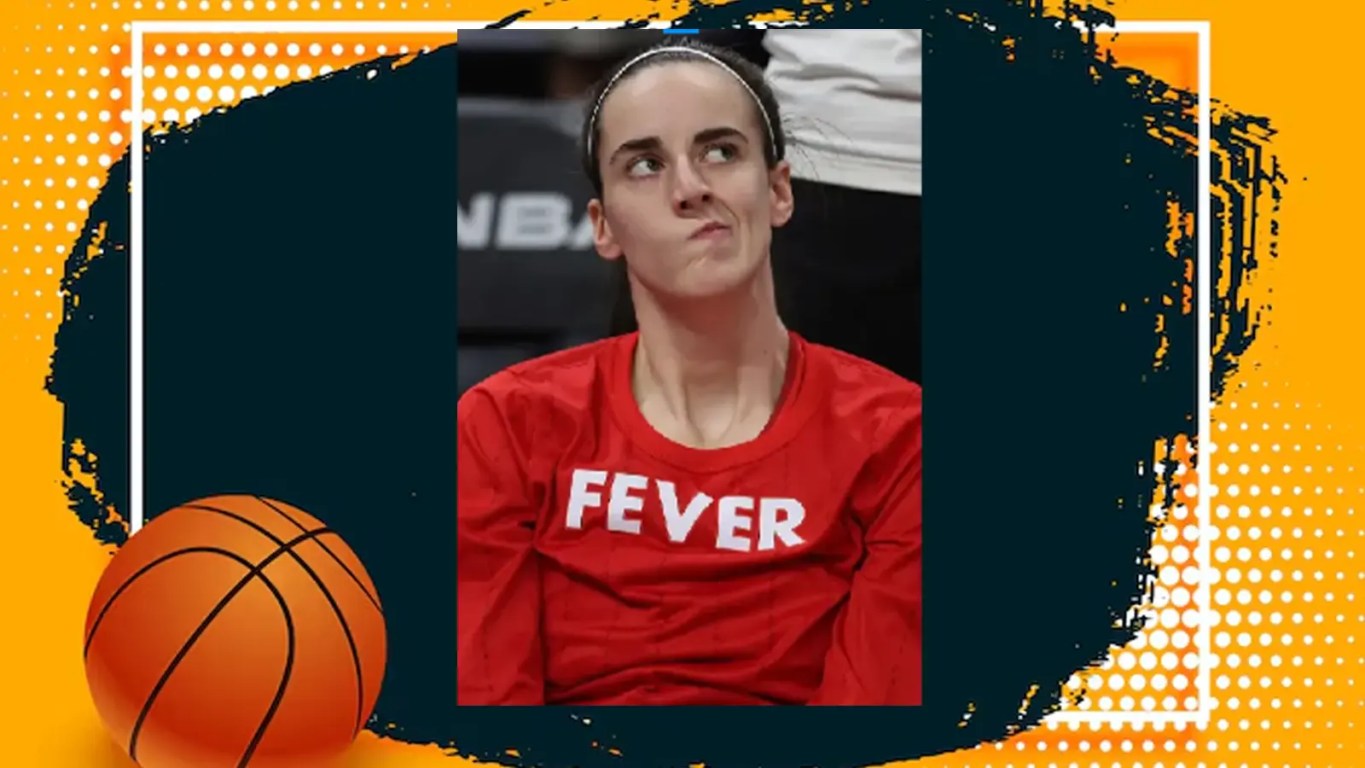
For years, the WNBA’s economic engine has been running on a legacy startup code that failed to account for the meteoric rise of the Gen-Z superstar. Today, March 2, 2026, the league officially hit the reset button. Following a weekend of intense negotiations, the WNBA sent a revolutionary CBA proposal to the players’ union that would fundamentally re-architect how the league’s biggest assets are valued.
The headline? A massive jump in the salary cap and a new provision—already being dubbed the “Caitlin Clark Rule”—that would allow young superstars to bypass the traditional rookie-scale waiting period and hit “Max Contract” status almost immediately. By proposing a path to million-dollar paychecks for players who haven’t even finished their first four years, the WNBA is finally acknowledging that the cultural value of players like Clark, Paige Bueckers and Aliyah Boston has far outpaced their currently “hard-coded” rookie contracts.
Here’s what we’re looking at…at least right now.
RELATED: More Than an SUV: Why Paige Bueckers Chose the 2026 Grand Cherokee Summit
The Hardware Upgrade: 280% Increase
The proposal outlines a staggering shift in the league’s financial infrastructure to mirror its record-breaking 2025 attendance and TV revenue:
- The Salary Cap: Set to jump to $5.75 million in 2026—a 280% increase from the $1.5 million cap of 2025. This cap is projected to scale to $8.5 million by the sixth year.
- The New Max: Maximum salaries would skyrocket from $249,000 to $1.3 million (base + projected revenue sharing).
- The Average Pay: The “middle class” of the league would see their average salary move from $120,000 to $540,000.
Fast-Tracking the ‘Super Scale’
Currently, rookie contracts are the ultimate “efficiency play” for GMs, locking in generational talents for less than $100k annually. The new proposal introduces a “Performance Fast-Track”: any player on a rookie contract who earns First or Second Team All-WNBA honors becomes eligible for a maximum contract in their fourth year.
- The Impact: Under this language, Aliyah Boston becomes max-eligible immediately in 2026. Caitlin Clark would hit the $1.3 million tier in 2027—effectively ending the “discount era” for the Indiana Fever.
- The ‘No-Tag’ Clause: Crucially, players who sign these accelerated extensions would not be eligible for the “Franchise Tag,” giving the players total control over their movement once the contract expires.
The Indiana Fever Dilemma
While this is a win for players, it presents a complex “Roster Engineering” challenge. For the Indiana Fever, paying a $1.3M supermax to a veteran like Kelsey Mitchell while simultaneously managing the ballooning rookie-scale bumps for Boston and Clark would eat up nearly 65% of the team’s cap on just three players.
The Verdict: Valuing the Asset
The WNBA is finally moving away from its “survival” salary structure and toward a “Global Entertainment” model. By creating a path for Clark and Bueckers to be paid their true market value while they are the face of the league, the WNBA is ensuring its most valuable “Hardware”—the players—don’t have to look toward off-court endorsements alone to justify their professional status.
With a March 10 “drop-dead” deadline looming to avoid a season delay, the league has signaled it is ready to pay for the future it has spent the last year building.
Featured Photo: Freepik, Wikimedia Commons
RELATED: Chrome, Curves and Courtside: The Angel Reese x Reebok Spring 2026 Drop
Author Bio
Jael Rucker is the founder of Decked Out Magazine. She has previously worked as the Associate Commerce Editor at PureWow, focusing on analytics and trends to pitch stories and optimize articles that build and engage their audience. Her work has also been seen in Footwear News and WWD. Prior to 2024, she was the style and pop culture editor at ONE37pm for over three years, contributing numerous product reviews, brand profiles and fashion trend reports, which included interviewing Steph Curry, Snoop Dogg and more.


![[THE FILES] 012: The Nintendo DS Lite and the Architecture of ‘Sleek’](https://deckedoutmagazine.com/wp-content/uploads/2026/03/Nintendo_DS_Lite_Polar_White_Closed_Profile_Grey.webp)