

There is a moment in every tech cycle when specifications cease to be numbers and become statements. When a company like Apple announces not one device, but a cascade of them, new iPads, new iPhones, new bands, new colors, new operating systems, they are doing more than refreshing a product lineup. They are renegotiating the terms of how we interact with culture itself.
This week’s announcements, rolling out across what Tim Cook has teased as “a big week ahead,” are no exception. From the M4 iPad Air to the iPhone 17e, from spring color waves to iOS 26.4’s AI-powered music features, Apple is making a bet on stratification. They are betting that we want choices, and that those choices say something about who we are.
Let’s break down what dropped, what it means, and why the culture is paying attention.
The M4 iPad Air: When Power Becomes Ubiquitous
The headline act is the new iPad Air, now powered by the M4 chip. On paper, the numbers are impressive: Apple claims it’s up to 30% faster than the M3 model and a staggering 2.3 times faster than the M1 iPad Air . The unified memory has jumped 50% to 12GB, with memory bandwidth increasing to 120GB/s. For users running AI models locally, and Apple is betting heavily that you will be, this matters.
But the cultural story here is not the speed. It’s the diffusion.
The M4 chip, once the exclusive province of the iPad Pro, has now migrated to the Air. This is the democratization of power that defines mature technology markets. What was once “pro” becomes “standard.” What was once exceptional becomes expected. Bob Borchers, Apple’s vice president of Worldwide Product Marketing, framed it in terms of creativity and productivity: “iPad Air gives users more ways than ever to be creative and productive, offering powerful performance and incredible versatility to help them turn their ideas into reality.”
Yet beneath the marketing language lies a deeper truth. The iPad Air with M4 is not just a tool for creation, it’s a statement that creation itself has become mainstream. The barriers between “consumer” and “creator” have eroded to the point of invisibility. When a tablet at this price point can handle 4K video editing, complex music production, and AI inference, the question is no longer whether you can create, but whether you will.
The inclusion of Apple’s custom N1 wireless chip, supporting Wi-Fi 7, Bluetooth 6, and the Thread protocol, signals something else entirely . This is about the internet of things becoming the internet of everything. The iPad Air is no longer just a window into the digital world; it’s becoming a hub for the physical one. Your home, your devices, your accessories, they’re all learning to talk to each other, and the iPad Air is learning to listen.
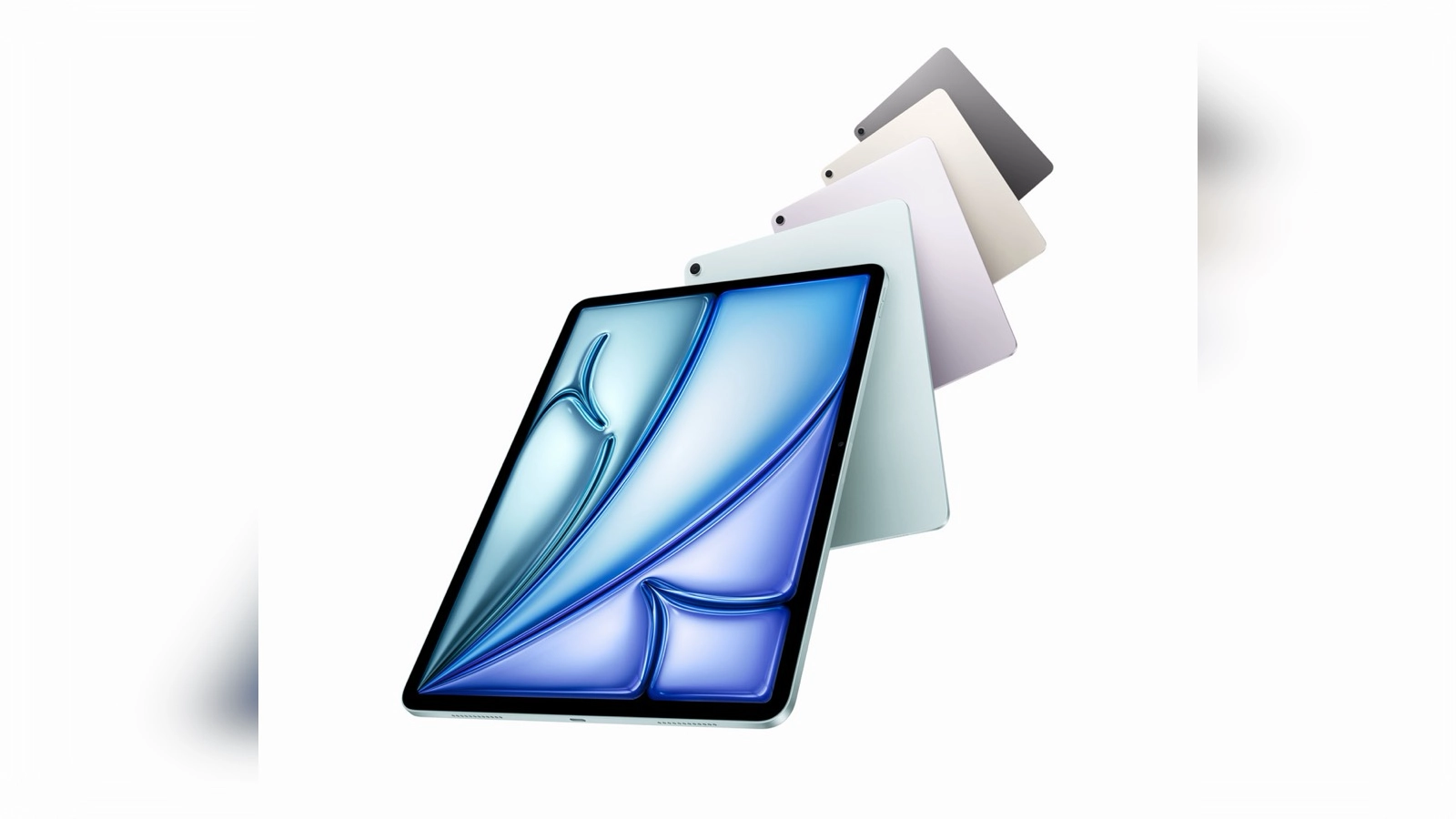
Pricing remains unchanged: $599 for the 11-inch, $799 for the 13-inch, with pre-orders opening March 4 and availability March 11. In a time of global memory shortages and supply chain constraints, holding the line on price while upgrading internals is a flex. It tells us that Apple is willing to absorb costs to maintain market position, a vote of confidence in the tablet’s role in our lives.
The iPhone 17e: The Politics of the Entry Point
If the iPad Air is about power becoming ubiquitous, the iPhone 17e is about access becoming strategic.
Priced at $599 with 256GB of base storage, the 17e is Apple’s most aggressive play yet for the budget-conscious consumer who refuses to compromise on the core experience . It shares the A19 chip with its more expensive sibling, the iPhone 17, though with one fewer GPU core . It includes Ceramic Shield 2, MagSafe, and the same durable build quality.
But the differences tell the story of a company that understands segmentation as an art form.
The 17e lacks the 18MP Center Stage front camera of the iPhone 17, settling instead for a 12MP TrueDepth sensor. It has a single rear camera, no Ultra Wide lens, no Dual Capture feature . Its 48MP Fusion Main camera, while capable, lacks the advanced optical image stabilization and latest-generation Photographic Styles of the flagship.
The display is perhaps the most visible compromise. At 6.1 inches, it’s slightly smaller than the iPhone 17’s 6.3-inch panel. More significantly, it lacks ProMotion’s 120Hz refresh rate and the Always-On display functionality. And in a design choice that feels almost nostalgic, the 17e retains the notch rather than adopting the Dynamic Island . In a lineup where the Dynamic Island has become a visual signature of “newness,” the notch marks the 17e as deliberately, almost defiantly, last-gen.
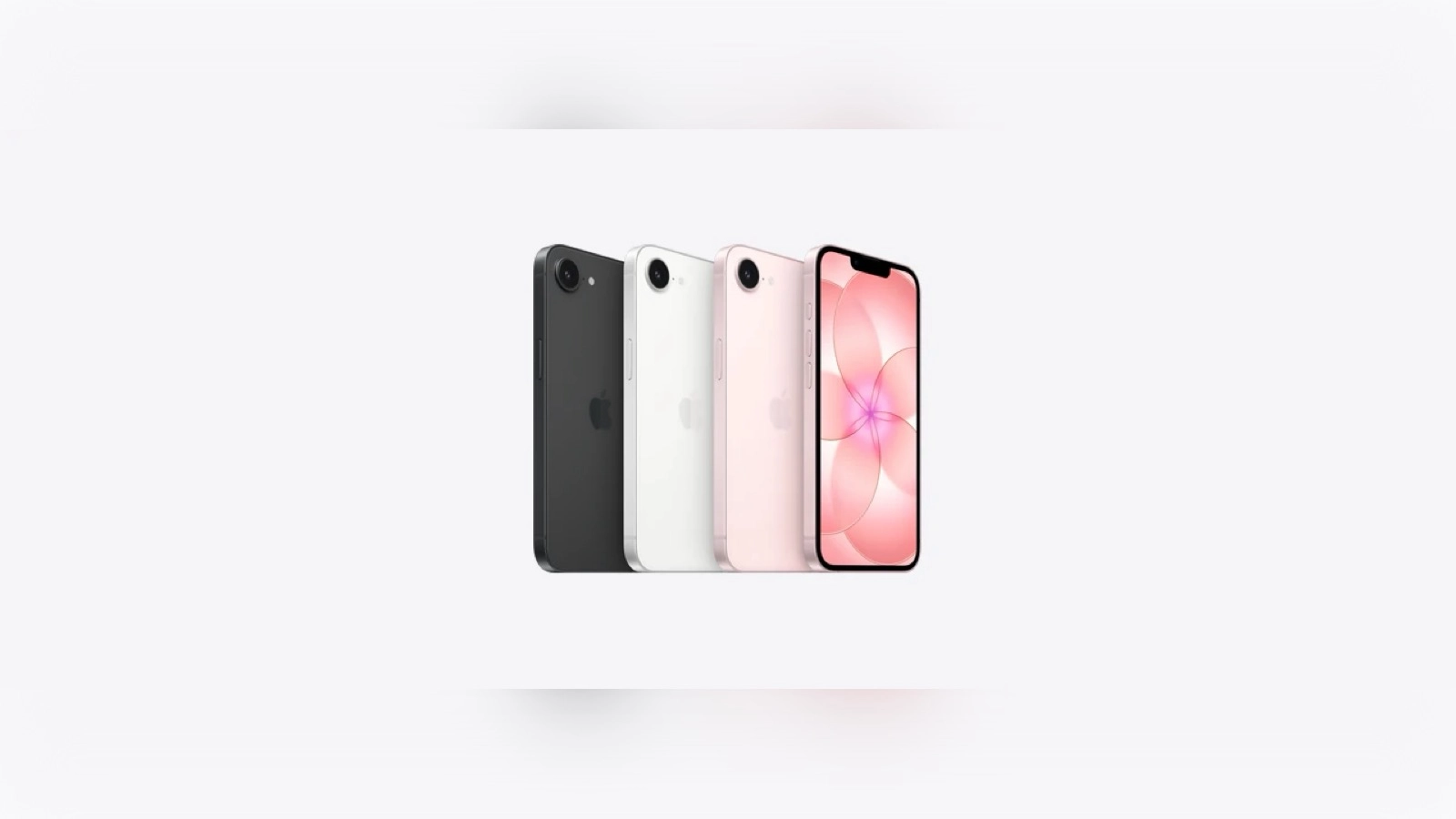
Yet there are upgrades that matter. The inclusion of Apple’s in-house C1X modem marks a significant shift in the company’s vertical integration strategy . Battery life is rated at 26 hours of video playback, respectable, if not class-leading . And the addition of MagSafe, absent from last year’s 16e, brings the budget model into the ecosystem of magnetic accessories that has become central to the iPhone experience.
The cultural question the 17e poses is simple: What are you willing to give up?
For $200 less than the base iPhone 17, you sacrifice camera versatility, display fluidity, and a few premium features. But you keep the processor, the storage, the build quality, and the ecosystem. For a certain kind of user, the user who texts more than they photograph, who consumes more than they create, the 17e may be the most rational choice Apple offers.
But rationality, as we know, is rarely the driving force of culture. Desire is. And the iPhone 17, with its dual cameras, its ProMotion display, its Camera Control button, its faster charging, and its wider color palette (Lavender, Sage, Mist Blue, Black, White) , is designed to be desired. The 17e is designed to be bought. There is a difference, and Apple is betting that you feel it.
The Spring Collection: Color as Cultural Signal
Perhaps nowhere is Apple’s understanding of culture more evident than in the spring accessory refresh. This is not about specifications. This is pure semiotics.
The new Apple Watch Sport Band colors, Soft Pink, Clementine, Bright Guava, read like a Pantone deck for the optimism economy . The Sport Loop additions, Bright Guava, Blue Mist, Cantaloupe, suggest a palette designed to complement both athleisure and office casual . These are colors that signal approachability, warmth, and a certain kind of curated spontaneity.

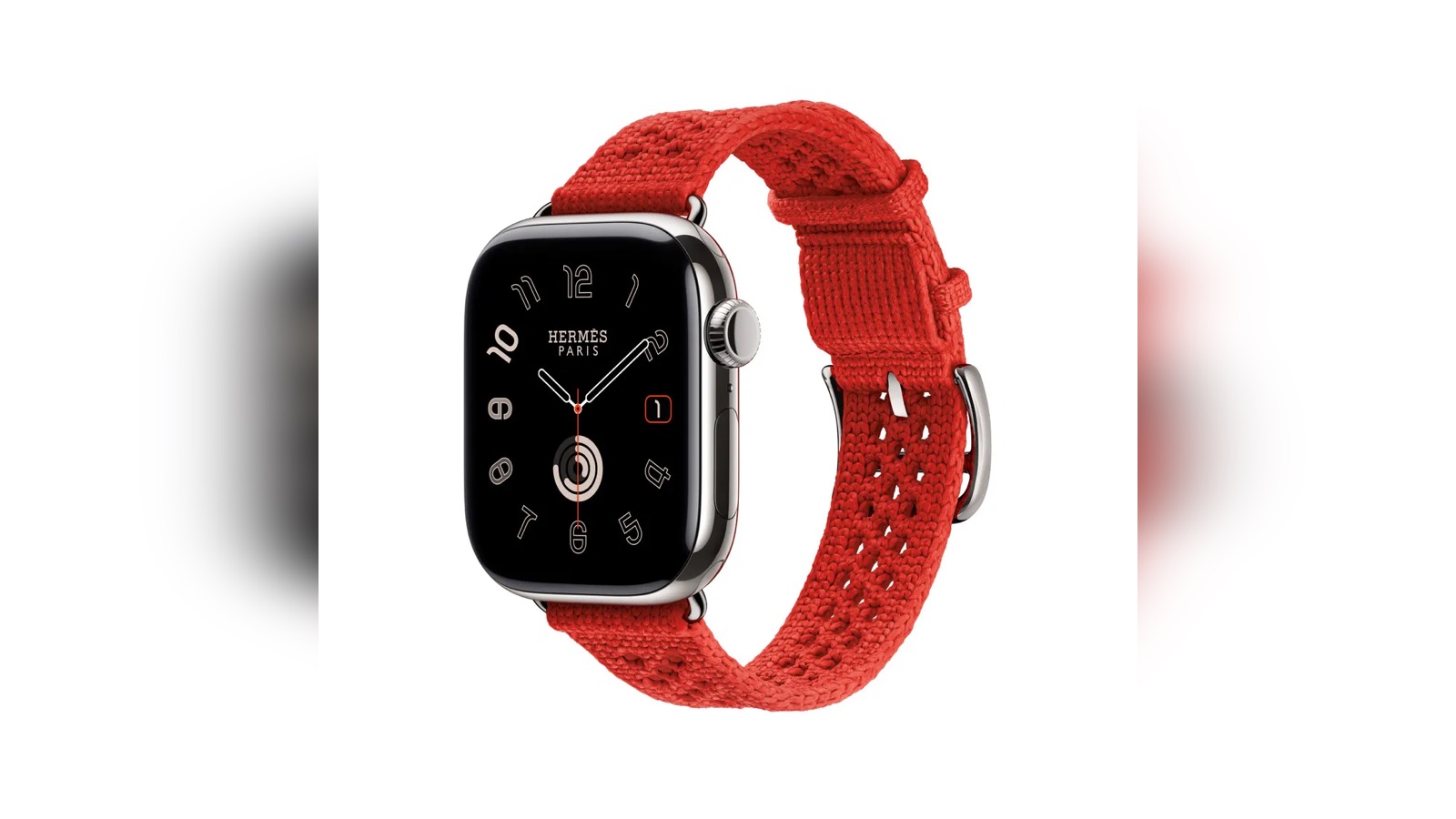
The Hermès collection, as always, operates in a different register entirely. The new En Mer straps in Bleu Gris/Bleu Glacier and Noir/Bleu Nuit evoke nautical precision rather than playful abandon . The Scub’H Diving collection adds Orange Néon and Bleu Néon, colors that scream for attention in environments where visibility matters . And the all-new Néo Tricot strap, inspired by Hermès sporting gloves from the 1930s, offers an openwork knitted design that is “lightweight, breathable, and exceptionally comfortable.” At $349 to $449 depending on the model, these are not accessories; they are investments in a specific kind of self-presentation.
For the iPhone, the spring cases follow a similar logic. The iPhone 17e gets its own silicone and clear cases at $49, plus a Beats case at $45. The iPhone 17 lineup adds Bright Guava and Vanilla to the silicone case options, while the Pro models gain Electric Lavender as an exclusive. The Crossbody Strap, that curious accessory that turns your phone into a purse, now comes in Bright Guava and Soft Pink.
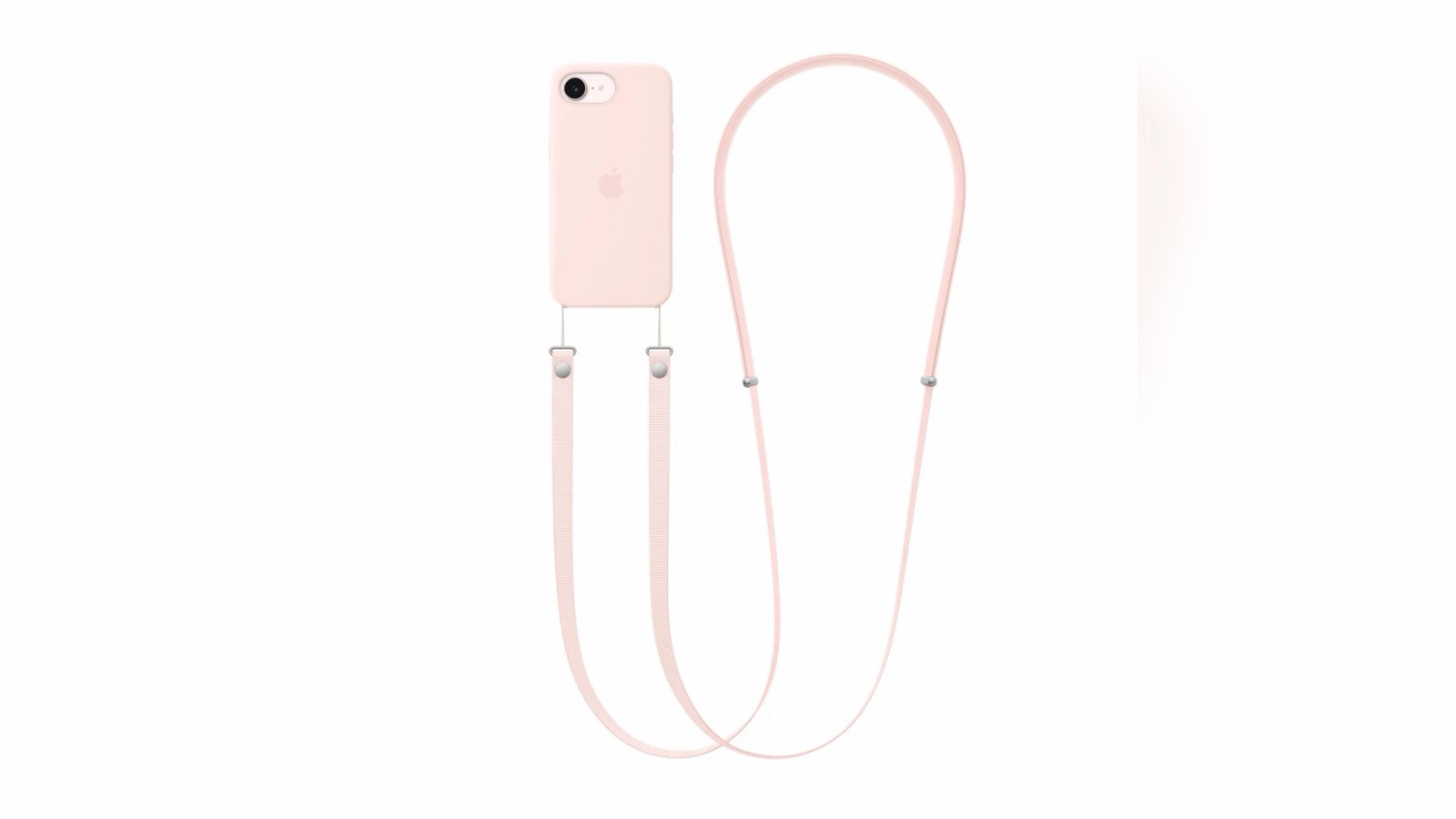
What do these colors mean? In a culture saturated with devices that all look roughly the same from across the room, color has become the primary marker of individuality. Your phone case is not protection; it’s a flag. Your watch band is not a fastener; it’s an affiliation. Apple understands that in an era of mass production, the only remaining luxury is differentiation. And so they sell you differentiation in $49 increments.
iOS 26.4: The Software as Landscape
Beneath the hardware announcements, the third beta of iOS 26.4 offers a glimpse of where Apple believes the future lies.
The marquee feature is “Playlist Playground” in Apple Music, an AI-powered tool that lets you generate songs for “any idea, mood, emotion, or activity using a text-based prompt.” This is not merely a feature; it’s a philosophical shift. Apple is moving from a model of music discovery to a model of music generation. The distinction matters. Discovery implies that the culture exists independently of you, waiting to be found. Generation implies that the culture exists for you, waiting to be created.
Other changes reinforce this theme. Redesigned album and playlist views feature full-page artwork, turning music consumption into a visual experience. Apple Podcasts is gaining native video podcasting capabilities, blurring the line between audio and visual media. End-to-end encryption for RCS messaging is in testing, promising secure communication between iPhone and Android users. And third-party AI apps can now run natively inside the CarPlay dashboard, ChatGPT and Google Gemini are coming to your car.
Notably absent from iOS 26.4 is the anticipated Siri overhaul. Reports suggest performance issues have pushed those generative AI enhancements to a later release. In a world where every tech company is racing to integrate AI into everything, Apple’s deliberate pace feels almost contrarian. It is a bet that integration matters more than speed, that reliability matters more than novelty.
Stolen Device Protection is now enabled by default . A new ambient music widget appears. New emoji, trombone, treasure chest, orca, landslide, Bigfoot, are expected . These are small things, but they accumulate. They shape the texture of daily interaction with the device that has become, for many of us, our primary interface with the world.
The Culture of Choice
What unites these announcements, the iPad Air, the iPhone 17e, the spring colors, the iOS beta, is a theory of human behavior. Apple believes that we want to choose. Not just what device we use, but how we use it. Not just what features we access, but what identity we project.
The M4 iPad Air says: You are a creator, even if you don’t think of yourself that way.
The iPhone 17e says: You are a rational actor, making smart trade-offs in a world of infinite options.
The spring colors say: You are an individual, expressing yourself through the smallest details.
iOS 26.4 says: You are a participant in a culture that you help shape.
Whether any of this is true is almost beside the point. What matters is that Apple has built an ecosystem that allows us to act as if it were true. We choose our devices, our colors, our bands, our settings, and in doing so, we perform a version of ourselves for the world to see.
The pre-orders open March 4. The products arrive March 11 . The software is in testing now. And the culture, as always, will decide what it all means.
Are you upgrading? What are you choosing? What does it say about you?
The comments are open.
Photo Credit: Apple product announcement imagery for iPad Air M4, iPhone 17e, and Spring 2026 accessory collection. All images are used for editorial commentary purposes only. All rights reserved by Apple Inc.
Author Bio
Andrew Greene is a quality-obsessed, results-driven powerhouse with nearly two decades of experience transforming complexity into clear, actionable solutions. His secret weapon? A mix of analytical sharpness, problem-solving precision and a communication and leadership style that’s equal parts clarity and charisma. From Quality Assurance to political data analysis, you can think of him as the Swiss Army knife of operational excellence, minus the corkscrew (unless it’s a team celebration).