
- FILE STATUS: Open
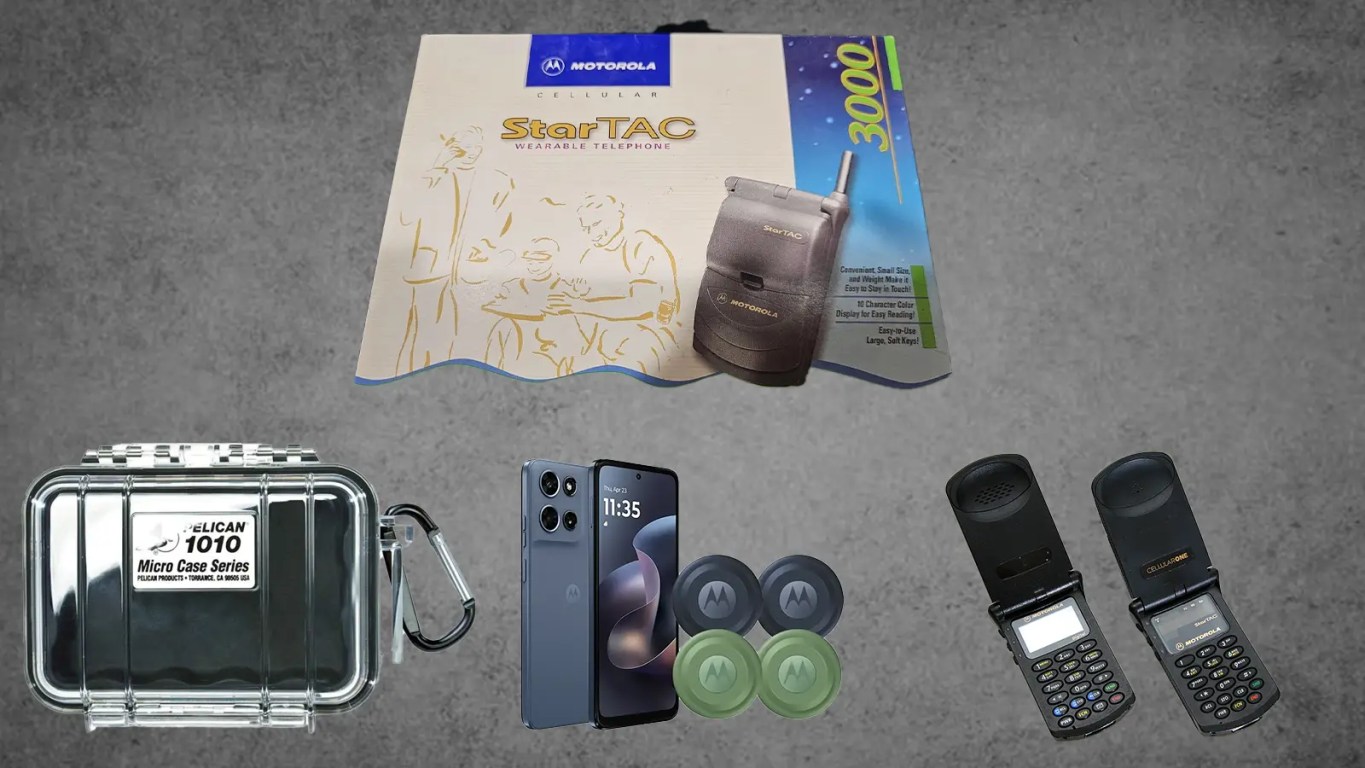
- ARTIFACT: Motorola StarTAC
- RELEASE DATE: January 3, 1996
- ORIGINAL MSRP: $1,000.00 USD
- DESIGNER: Albert L. Nagele (Lead)
- WEIGHT: 88g (3.1 oz)
- DIMENSIONS: 94 x 55 x 19 mm
- STATUS: Heritage Hardware / Obsolete (Analog) / Active (Collector)
In 1996, if you weren’t snapping a phone shut to end a conversation, were you even talking? The Motorola StarTAC didn’t just debut; it invaded. At a launch price of $1,000, it was more expensive by weight than gold. This was the moment communication became a fashion accessory—a sleek, black mechanical heart that signaled you were living in the future.
Today, we’re taking a look back at a piece of history.
Table of Contents
The Mechanical Blueprint: Industrial Minimalism
While its predecessor, the MicroTAC, flirted with the “flip” (a downward-folding mouthpiece), the StarTAC committed to the clamshell. It was the first device to fold upwards over the display, a design move that reduced the phone’s footprint to the size of a pager.
- Hinge Dynamics: Lead designer Albert Nagele and his team engineered the StarTAC hinge for over 100,000 cycles. It wasn’t just a pivot; it was an industrial event. The tactile “click” provided a physical confirmation that today’s haptic engines still struggle to replicate.
- The Sub-100g Barrier: By 1996 standards, 88 grams was impossible. Motorola achieved this by utilizing a high-density, multi-layer PCB and a slimmed-down 3.6V Lithium-Ion battery—one of the first consumer applications of Li-ion tech.
- VibraCall™ Engineering: Before the StarTAC, your phone was on, it was loud. Motorola’s “VibraCall” alert used a tiny, weighted eccentric motor to provide a silent, kinetic notification against the hip. This was the birth of “Discreet Tech.”
Hardware Audit: The Dot-Matrix Legacy
The StarTAC wasn’t about pixels; it was about high-contrast utility.
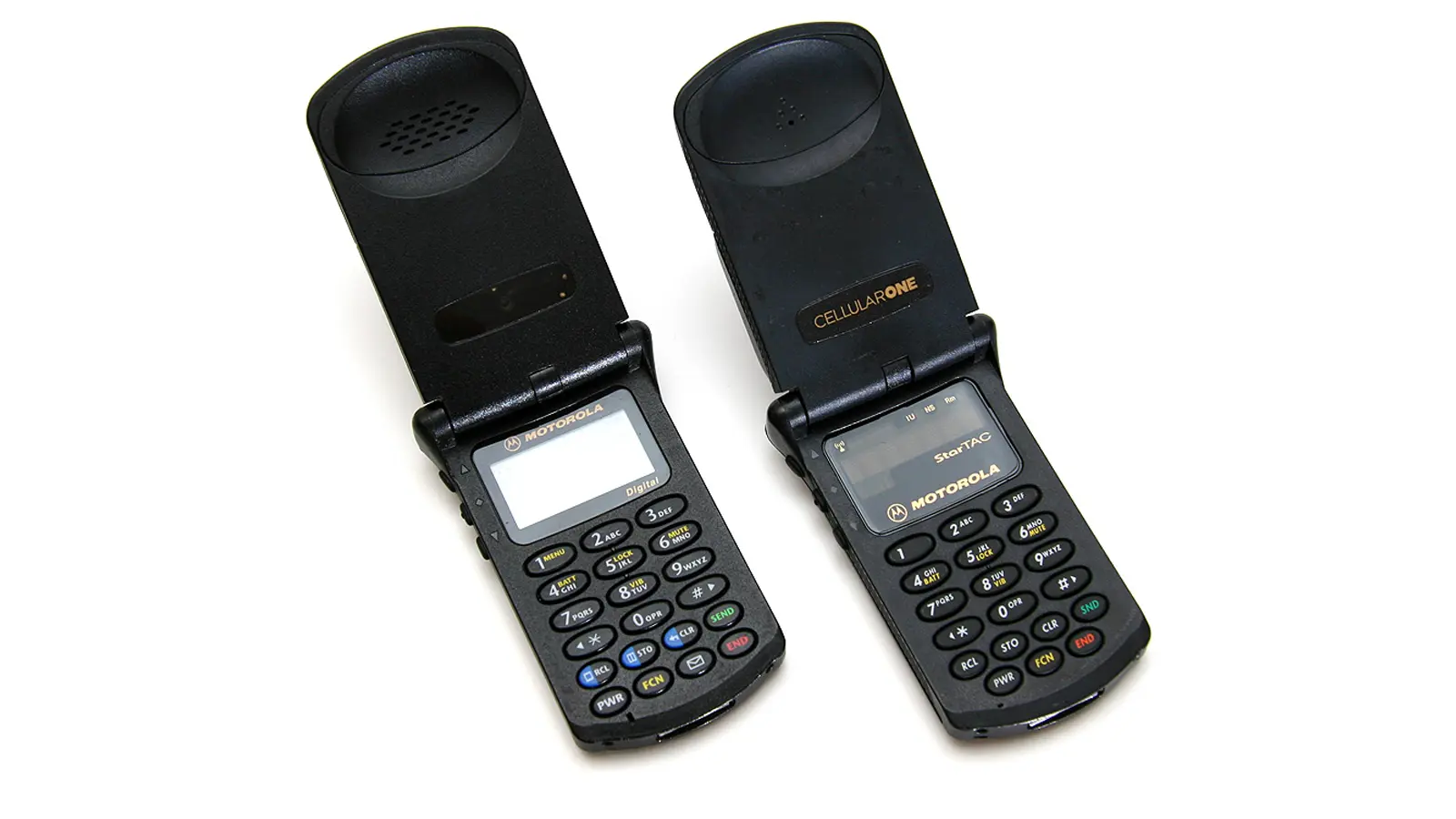
Photo: Wikipedia
- The Display: The high-end 8500 and 8600 series featured a dot-matrix display that allowed for actual alphanumeric characters, moving beyond the segmented “digital watch” look of earlier models.
- The Smart Button: Located on the left side, this side-mounted button allowed for one-handed menu scrolling—an ergonomic masterstroke in a time when most phones required two hands to operate.
The Decked Out Archive: Buy the Blueprint
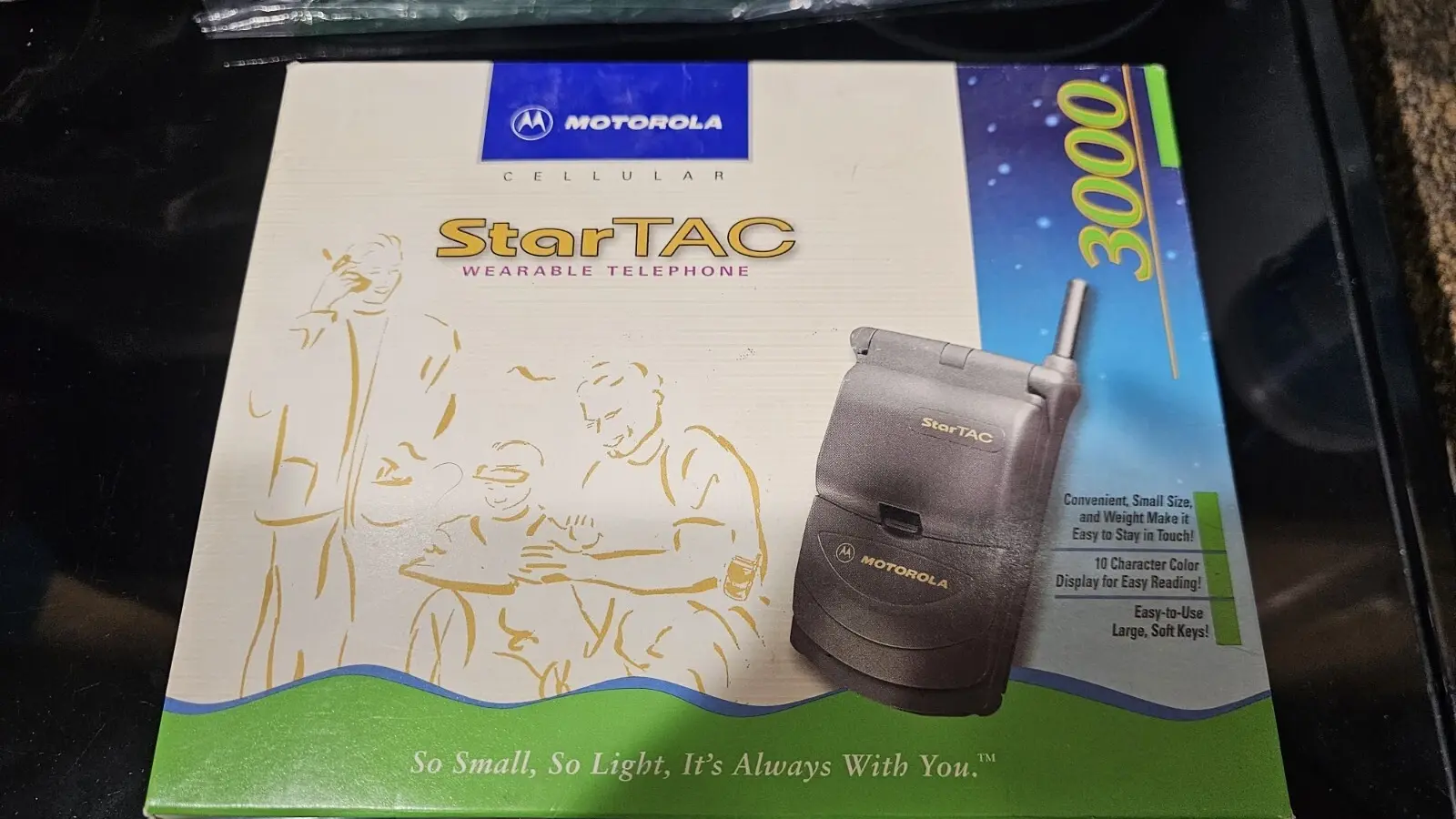
Vintage 90’s Motorola StarTAC Wearable Telephone 3000 NIB
To own the original, is to own a piece of the Smithsonian.
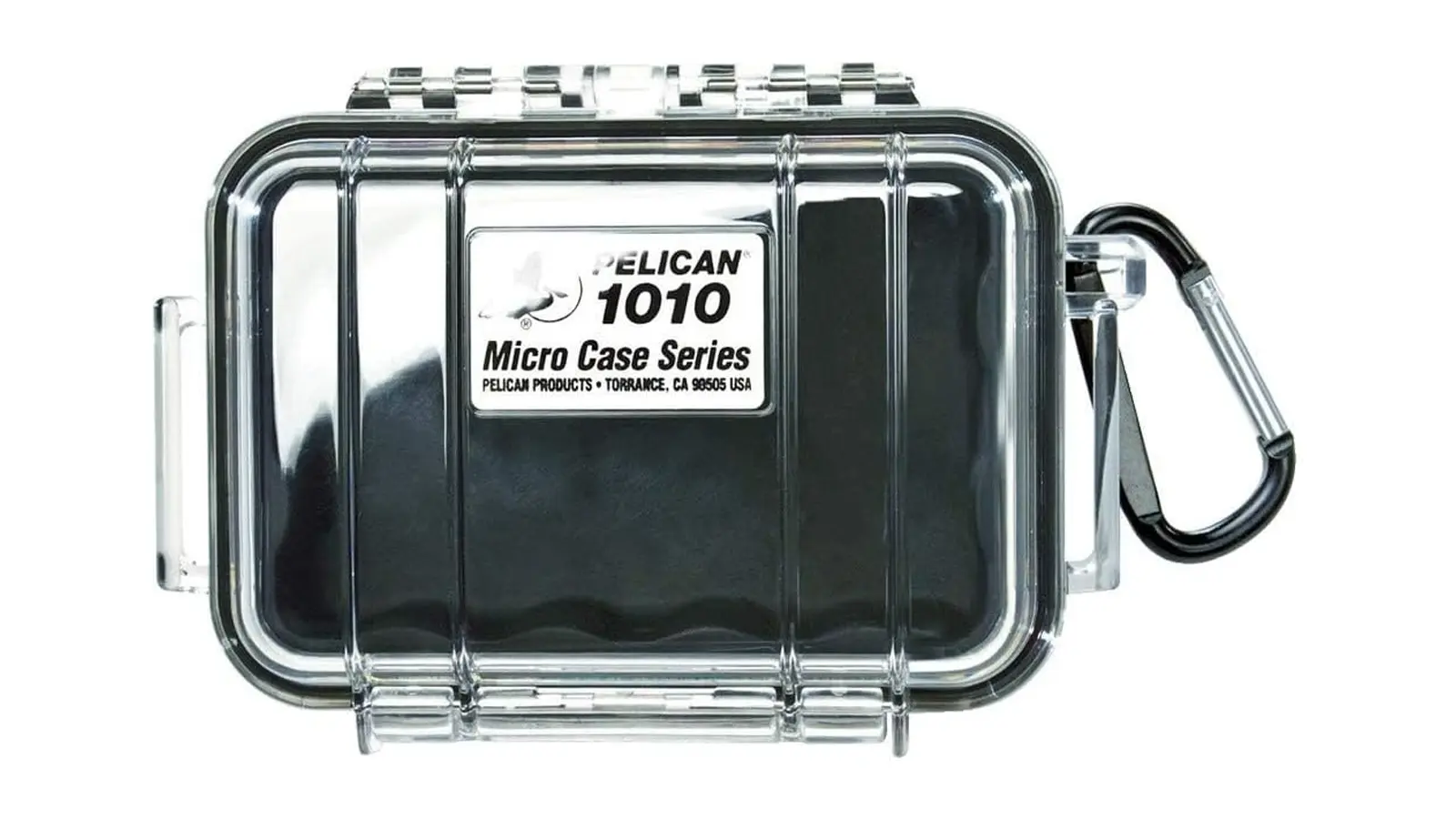
Pelican 1010 Micro Case
Photo: Amazon
Industrial-grade hard cases are the standard for achieving heritage hardware.
Disclosure: As an eBay Partner, I may be compensated if you make a purchase through this link.
RELATED: [The File 003]: The Final Handshake: Jordan vs. Magic (1996)
Featured Photo: Motorola, eBay, Wikipedia, Freepik
Author Bio
Jael Rucker is the founder of Decked Out Magazine. She has previously worked as the Associate Commerce Editor at PureWow, focusing on analytics and trends to pitch stories and optimize articles that build and engage their audience. Her work has also been seen in Footwear News and WWD. Prior to 2024, she was the style and pop culture editor at ONE37pm for over three years, contributing numerous product reviews, brand profiles and fashion trend reports, which included interviewing Steph Curry, Snoop Dogg and more.



![[THE FILES] 001.3: The Lord of the Rings: The Fellowship of the Ring Box Office Report](https://deckedoutmagazine.com/wp-content/uploads/2026/03/The_Financial_Peak_Lord_of_the_Rings_Fellowship_2026_Box_Office_Audit-1.webp)