
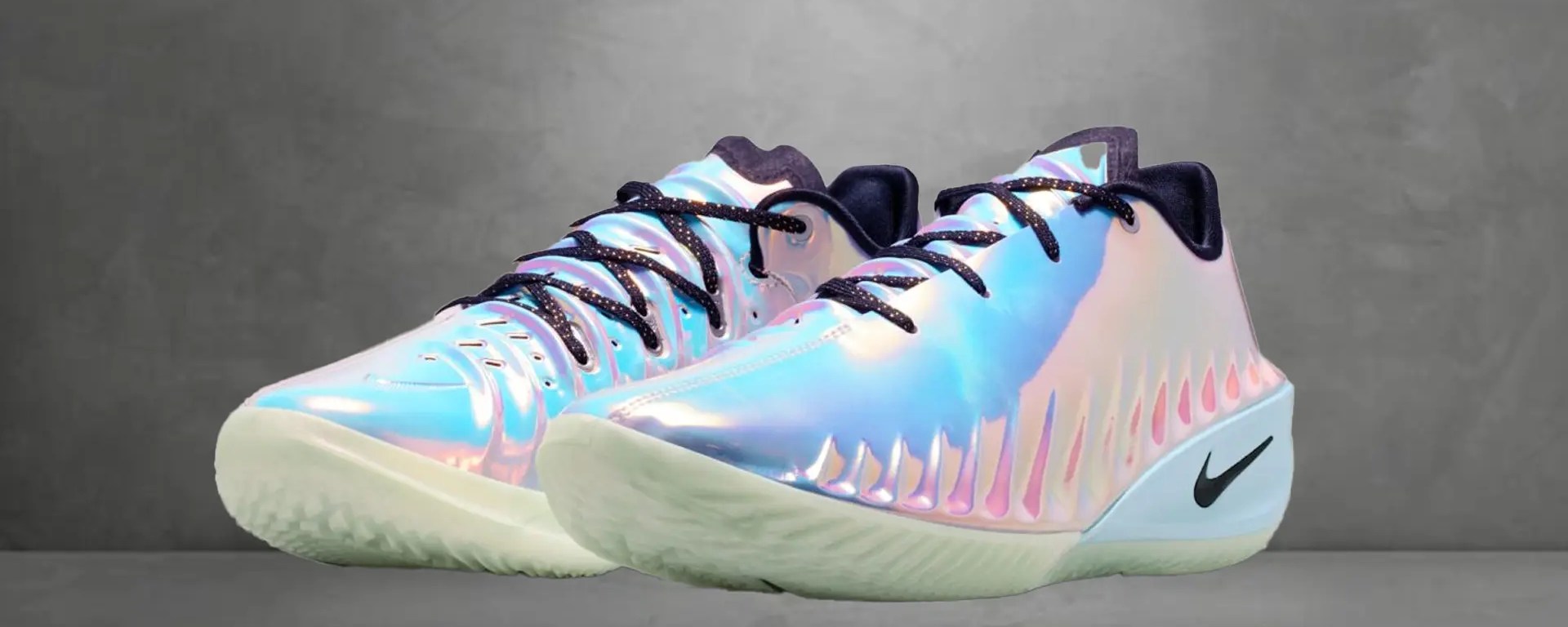
Before Victor Wembanyama proved anything at scale, he was labeled.
Unicorn.
Generational.
Alien.
But with the release of the Nike GT Cut 4 “Warning Label,” something subtle shifted. The language stopped describing what he might become and started presenting him as something already defined.
The prototype isn’t just developing anymore.
It’s being packaged.
And when a prototype becomes a brand, the league changes with it.
RELATED: Before the NBA Was Global, the ABA Built the Blueprint
Table of Contents
From Prospect to Prototype
Ground this in reality.
Victor Wembanyama entered the NBA without a historical comparison. At 7’4” with perimeter mobility, shot creation, and elite defensive range, traditional archetypes didn’t apply.
He wasn’t:
- A traditional rim-running center.
- A stretch five.
- A tall wing.
He was a structural anomaly.
That’s where “prototype” matters. A prototype suggests the first version of something new — not a variation of something old.
Nike understood that early.
The Meaning of the “Warning Label”
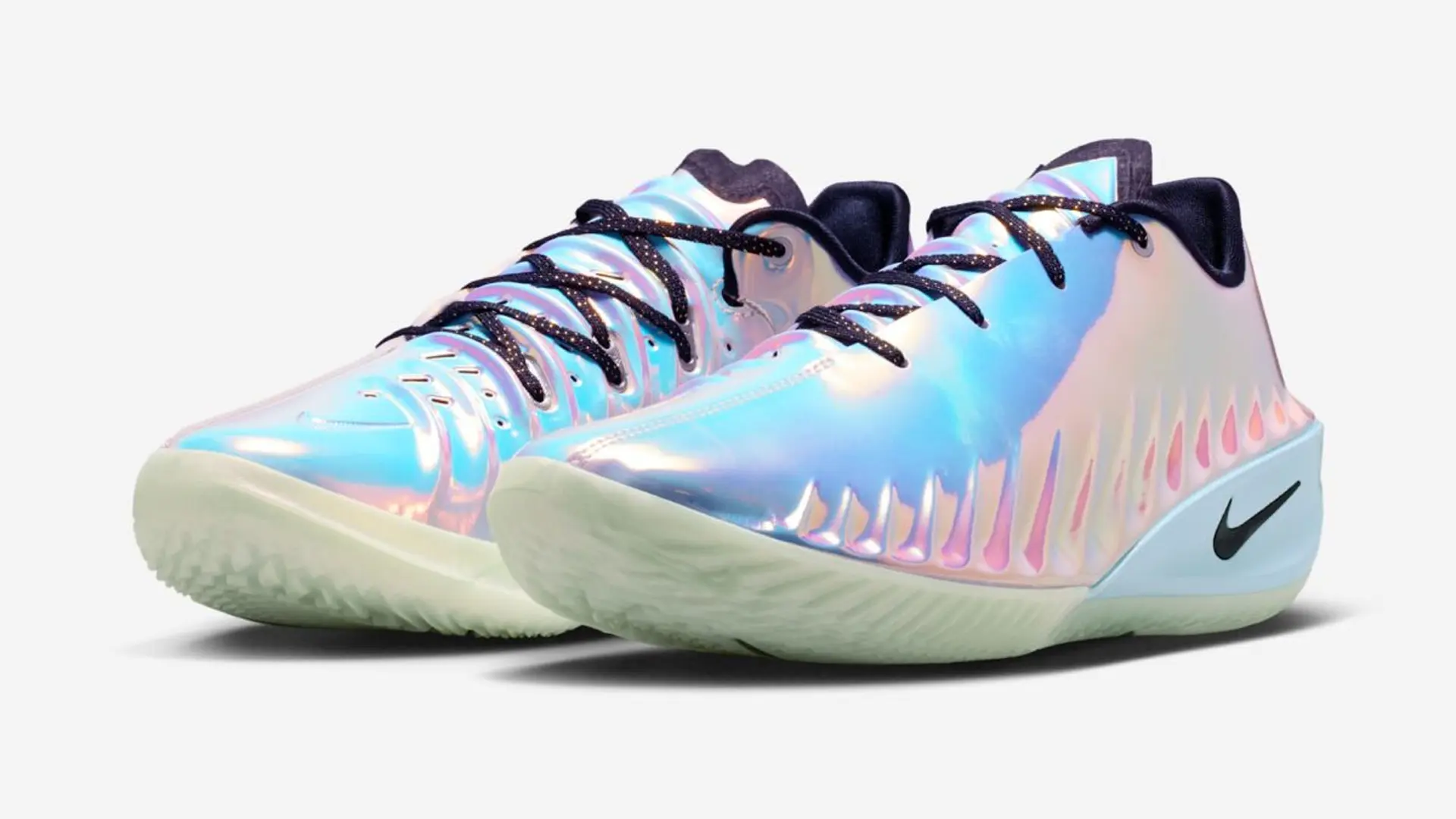
Photo: Nike
The GT Cut 4 “Warning Label” isn’t subtle.
Hazard striping. Caution framing. Visual tension.
A warning implies danger. Danger implies disruption.
Nike isn’t marketing Wembanyama as a rising star. It’s presenting him as a problem — something the league must adjust to.
The message isn’t “watch him.”
It’s “prepare for him.”
Branding Ahead of the Resume
Most NBA icons earned their mythology after sustained dominance.
Wembanyama’s is arriving in real time.
That’s the shift.
The branding isn’t reflecting history — it’s forecasting it. Nike is betting that his trajectory is inevitable, not conditional.
When marketing moves ahead of performance, expectation accelerates.
And expectation reshapes the narrative before the season even does.
When the Prototype Becomes the Standard
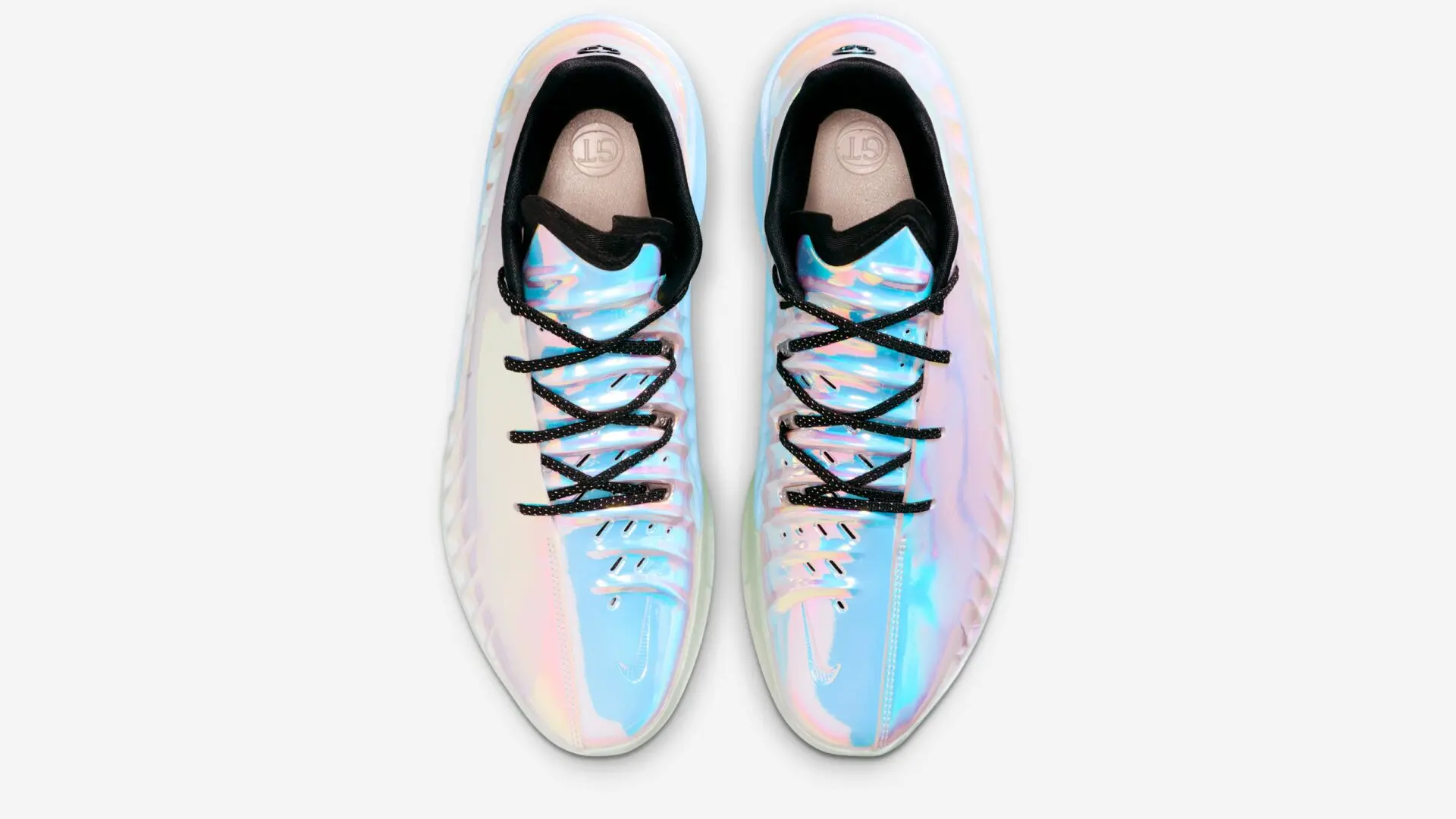
Photo: Nike
Calling someone a prototype suggests the first version of something new.
Turning that prototype into a brand suggests permanence.
If Wembanyama thrives, the archetype solidifies, and future prospects will be measured against him.
If he stumbles, the “alien” framing becomes a lesson in premature myth-making.
Either way, this moment marks something bigger than a sneaker drop.
It signals how the NBA now builds its future: not by comparison, but by creation.
RELATED: Why the G-Wagon Became Fashion’s Favorite SUV
Author Bio
Jael Rucker is the founder of Decked Out Magazine. She has previously worked as the Associate Commerce Editor at PureWow, focusing on analytics and trends to pitch stories and optimize articles that build and engage their audience. Her work has also been seen in Footwear News and WWD. Prior to 2024, she was the style and pop culture editor at ONE37pm for over three years, contributing numerous product reviews, brand profiles and fashion trend reports, which included interviewing Steph Curry, Snoop Dogg and more.
![[THE FILES] 069 | NBA 2K10 (2009): The Mamba Blueprint](https://deckedoutmagazine.com/wp-content/uploads/2026/03/nba_2k10_kobe_bryant_screenshot_cover.webp)

![[THE FILES 068] | Alias (2004): The RenderWare Spy Kit](https://deckedoutmagazine.com/wp-content/uploads/2026/03/alias_video_game_case_screenshot_png.webp)
![[THE FILES 067] | Go Figure (2005): The ‘Twirl Girl’ vs. The Ice House](https://deckedoutmagazine.com/wp-content/uploads/2026/03/disney_channel_dcom_go_figure_2005_hero.webp)