By Jael Rucker: Published: January 25, 2026
Editor’s Note: This piece originally appeared on Medium in May 2024. As part of our MJ Archive project, we have migrated and updated it for Decked Out to serve as a foundational audit of Michael Jackson’s “Human Architecture.” In a landscape that often prioritizes headlines over history, this forensic look at his contributions to the Black community remains more relevant than ever.
Table of Contents
LOS ANGELES, CA — Since we’ve covered the 1984 Pepsi Burn and the lifelong painful effects Michael Jackson endured as a result, we’re going to next discuss Jackson’s contributions towards the Black community, something that has been questioned by many (including fellow Black people) far too often. Let’s make something very clear—Michael Jackson was a proud Black man who did far more for his community than anybody who has ever lifted their finger to question his Blackness. Unfortunately, despite the vast amount of resources we have at our disposal in the present day, people still perpetuate the myth that Jackson bleached his skin, failing to understand his vitiligo diagnosis (something they would know if they took 0.5 seconds out of their time to research). It’s this very ignorance that has led people to believe Jackson was not a proud Black man.
Even seemingly harmless statements underneath viral posts about Jackson on social media, such as “he really was a Black man” and “this is how you know Michael was Black because of XYZ,” are rooted in ignorance. Jackson had two Black parents and eight Black siblings, so what the hell else was he going to be? Did he switch his race after Thriller? I wasn’t aware you can do that…
Since the very irritating misconceptions continue, a breakdown of the many things Jackson did for his community is needed. Let’s start, shall we?
Breaking Down Barriers for Future Black Artists
For those unaware, MTV initially refused to air the short film for “Billie Jean” for no valid reason other than racism. Their official explanation was that the short film didn’t fit into their “Regular rotation of Rock programming,” which was essentially code for “We don’t play Black artists.”
To get the video played, CBS Records president Walter Yetnikoff threatened to go public with MTV’s stance and pull the videos of all the other artists signed to CBS if they didn’t put “Billie Jean” in the rotation, and because Jackson had created a piece so masterful (and would follow it up with the equally masterful short films for “Beat It” and “Thriller”), it shook the musical landscape in such a way that it could not be ignored, which in turn broke the ground for fellow Black artists to have their art displayed on the network. Jackson did that.
Hiring Black People for Prominent Positions
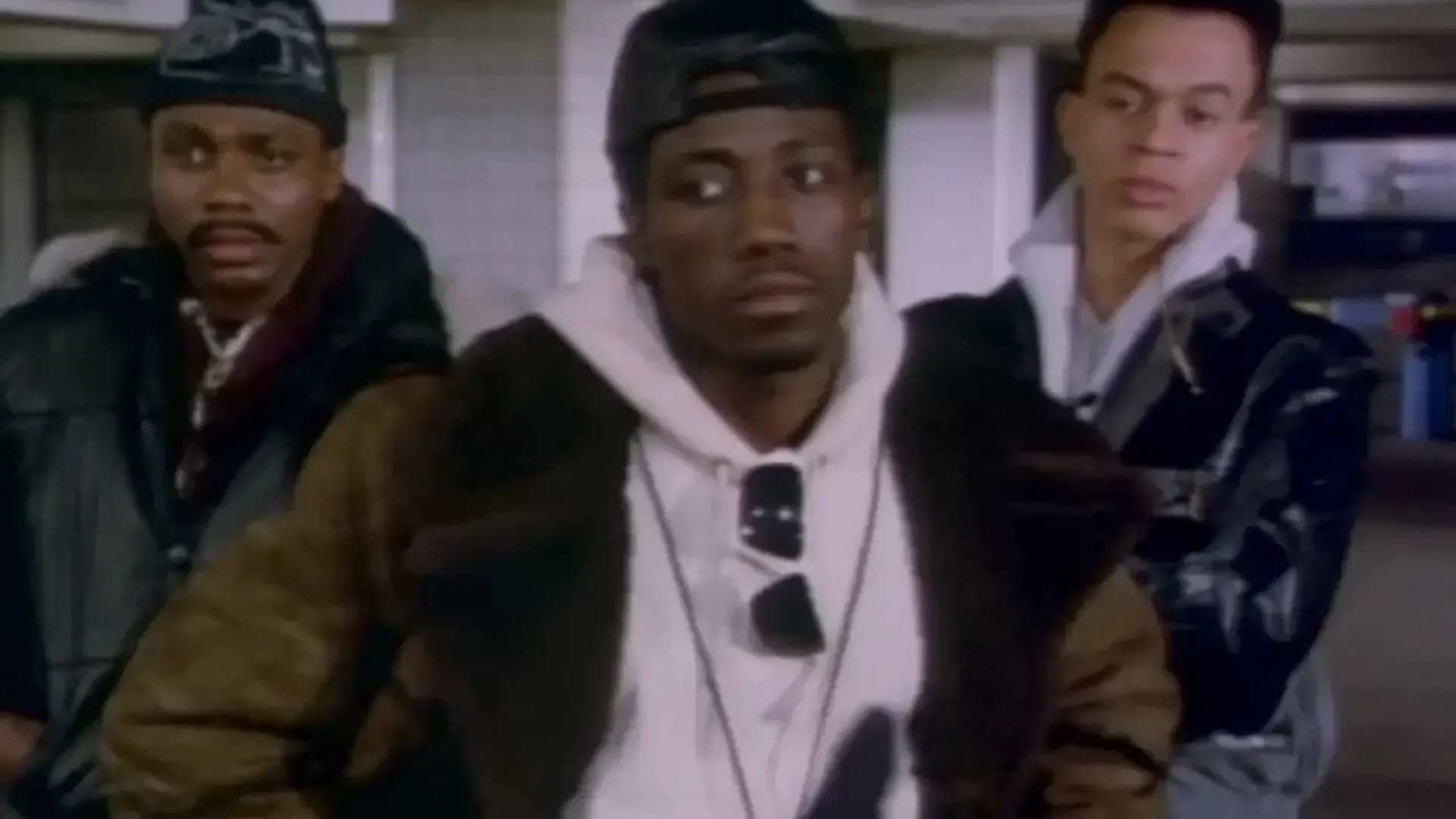
Photo: Epic; Michael Jackson
During the course of his career, Jackson elevated the careers of many Black entertainers and professionals, even giving some their first major breaks in the entertainment industry. Because they were able to put the name Michael Jackson on their resumes, it instantly boosted their worth and demand within their respective careers, which in turn opened up more opportunities for them. An example of this would be Wesley Snipes, whom Jackson hired as the antagonist for his “Bad” short film. The role was Snipes’ first major break in Hollywood, paving the way for him to become a big movie star in the 1990s.
Additionally, in the 1990s and 2000s, Jackson worked with rising producers Teddy Riley and Rodney Jerkins on his Dangerous, History, and Invincible albums, which officially cemented their legacies within the music industry. In 1992, Jackson also hired a young John Singleton (who, despite having a major hit film Boyz n the Hood, was still only about a year into his professional career) to direct the short film for his hit single “Remember the Time.” Jackson also worked with Spike Lee on the short films for his track “They Don’t Really Care About Us.”
This doesn’t include the many Black musicians, songwriters, and dancers Jackson worked with throughout his career. Aside from the musical aspect, he also hired many Black professionals in the other elements of his career (working at Neverland and on his management/PR team as examples), which again allowed them to have a major bullet point on their resumes.
Uplifting Black Women

Photo: Epic; Michael Jackson
Some of the people in the music industry (certain rappers, for example) who have criticized Jackson’s Blackness have failed to hire Black women (specifically within their music videos) in any capacity. Except for then wife Lisa Marie Presley, every single one of Jackson’s leading ladies was either Black or mixed with Black. This list consists of Ola Ray, Tatiana Thumbtzen, supermodels Iman and Naomi Campbell (whom he didn’t just pay for the short film, but also for all of the missed fashion shows she would have to sacrifice to be able to complete the shoot), and Kishaya Dudley. For his This Is It concerts in 2009 (which unfortunately were not completed due to his passing), Jackson handpicked Mekia Cox as one of his only two female principal dancers on the tour.
Around 1986/1987, singer and songwriter Siedah Garrett co-wrote Jackson’s global hit “Man in the Mirror” at the request of Quincy Jones, with whom she was signed as an artist. Additionally, Michael also enlisted Garrett to accompany him for a duet on the first single off the Bad album, “I Just Can’t Stop Loving You,” and hired her as a background singer/dancer on his Dangerous Tour five years later in 1992. During the mid-1990s, Jackson signed the R&B group Brownstone to his MJJ music record label less than a year after forming as a group. They would go on to have a hit single in 1994, “If You Love Me,” which later would be nominated for a Grammy Award. Jackson was also interested in signing Lauryn Hill, according to associate Jerry Greenberg, who was quoted as saying this in an August 2010 interview with Bite Me! Music + Fashion:
“I wasn’t with the company for more than two weeks and he called me up in the middle of the night and said, “Jerry did you see Sister Act 2?” I said, “No”. He said, “There’s a girl in the movie that you have to see.” It was the lead singer of the Fugees, Lauryn Hill. He said, “I want to sign her.” I knew who managed the group so I called him and said, “Michael, I found out she is in a group called The Fugees, but I spoke to their manager and if the first record doesn’t happen I think she would love to do a solo record with us.” Obviously, the first record happened and we never got her, but it shows you that Michael can spot talent and what his gut instinct was. She turned out to be a big star.”
Jackson also reportedly did not charge R&B group SWV for their sample of “Human Nature” for their 1992 hit single “Right Here.”
Michael Jackson’s Charitable Efforts to the Black Community
In 1986, Jackson set up the “Michael Jackson UNCF Endowed Scholarship Fund,” which is a $1.5 million fund aimed towards students majoring in performance art and communications, offering financial assistance each year to students attending a UNCF member college or university. This program continues to this day through the Michael Jackson estate, meaning there are still young African American adults going to college on behalf of Michael Jackson.
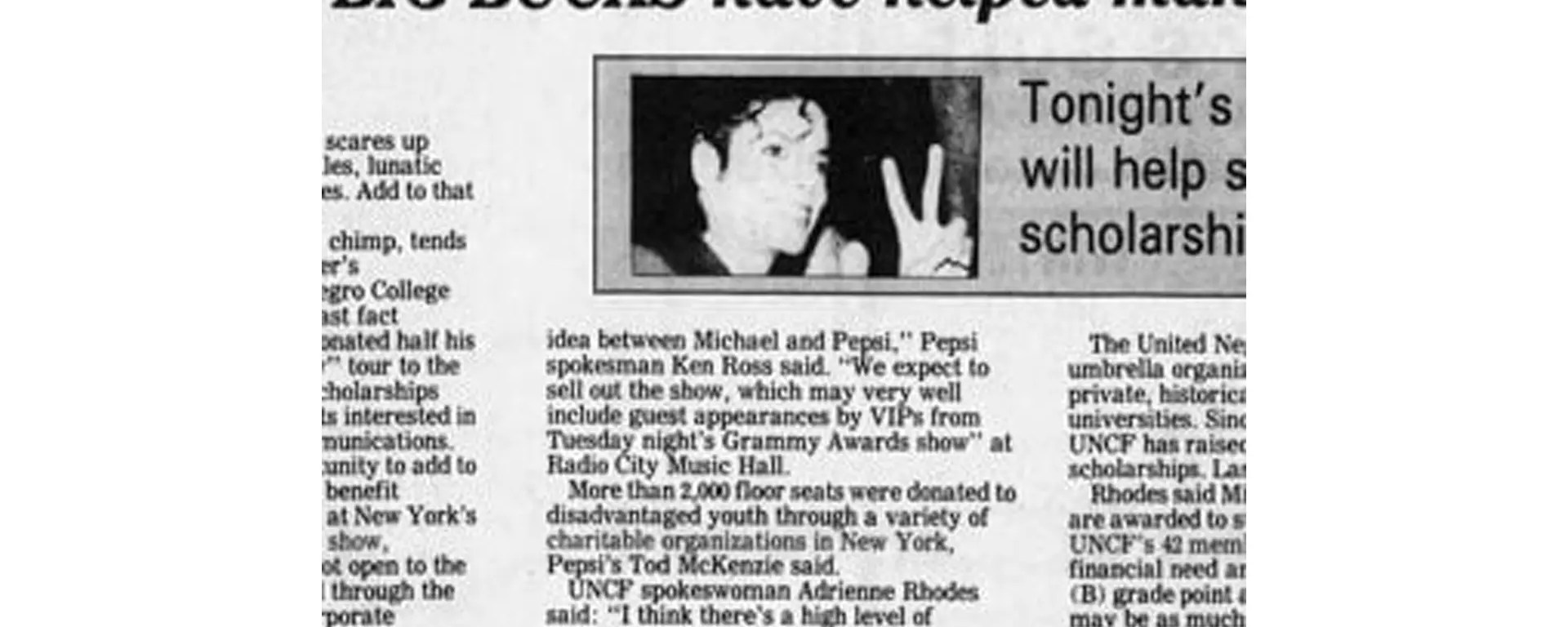
On March 1st, 1988, Jackson donated the proceeds from his Madison Square Garden performance as part of his Bad Tour to the United Negro College Fund. That evening, he presented a check for $600,000, cementing his status as one of the UNCF’s biggest donors. Jackson also received an honorary doctorate from Fisk University during the United Negro College Fund Awards in 1988.
In 2009, after his passing, the NAACP posted a retrospective in his memory, noting his contributions to Africa:
“Michael Jackson has visited Africa and underdeveloped communities to extend moral and charitable support; he has equally donated generously to charitable causes, earning him recognition in the Guinness Book of World Records for philanthropy.“
Last but certainly not least, Michael Jackson would frequently bus out inner-city and underprivileged children (many of whom were Black and Brown) to Neverland so that they could have the time of their lives. These trips began pretty much as soon as the Ranch was fully built with all of its attractions, and lasted until Jackson moved out after his acquittal in the 2005 trial. Even during the trial, when he was in the battle for his life and knew how it would be “perceived” by those looking to believe the false allegations, he continued bringing these children out to his home for them to enjoy a day of fun. In December 2004, roughly a week before Christmas, Jackson brought over 200 children to the ranch for them to have the time of their lives.
This is only the beginning, as so many of Jackson’s charitable efforts were unreported, as he didn’t believe in helping people for a round of applause, but before anybody asks what Michael Jackson did and still does for his own community, ask yourself what you’ve done lately for your respective community first.
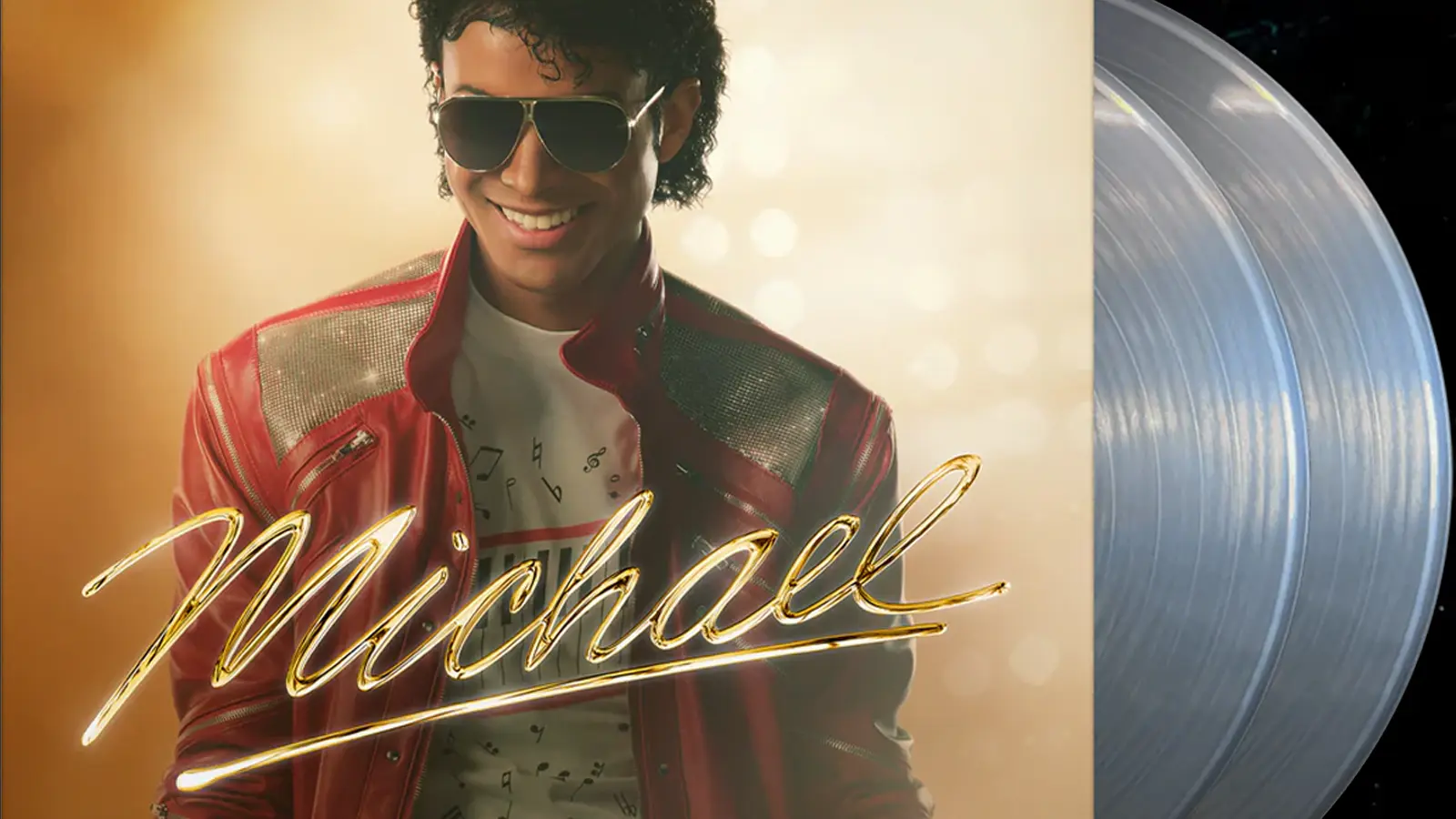
Read the current analysis on the 2026 Biopic’s visual authenticity:
Forensic Authenticity: How Jaafar Jackson is Reconstructing the MJ Blueprint
Author Bio
Jael Rucker is the founder of Decked Out Magazine. She has previously worked as the Associate Commerce Editor at PureWow, focusing on analytics and trends to pitch stories and optimize articles that build and engage their audience. Her work has also been seen in Footwear News and WWD. Prior to 2024, she was the style and pop culture editor at ONE37pm for over three years, contributing numerous product reviews, brand profiles and fashion trend reports, which included interviewing Steph Curry, Snoop Dogg and more.


![[THE FILES] 023: Romeo Must Die (2000) – The X-Ray Logic](https://deckedoutmagazine.com/wp-content/uploads/2026/03/Romeo_Must_Die_Aaliyah_Jet_Li_Technical_Aesthetic.png)