
The History
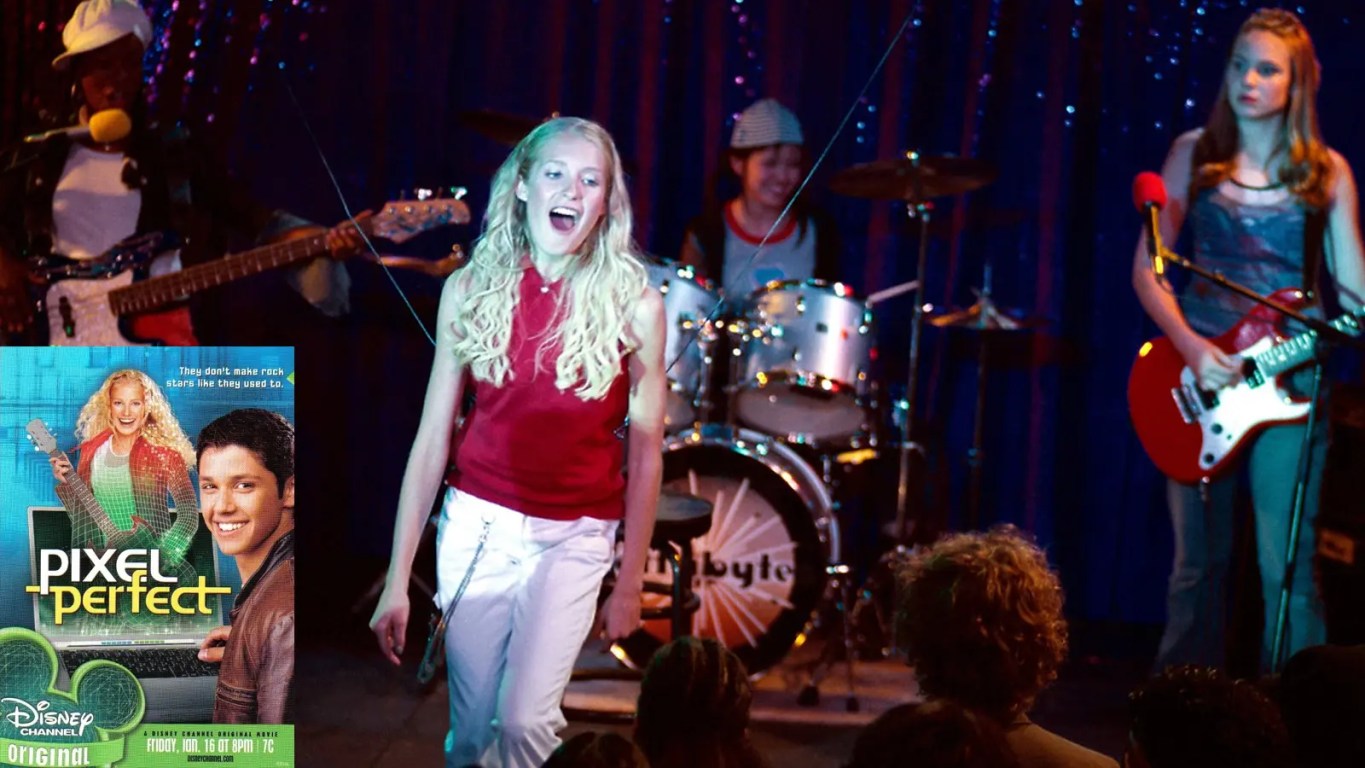
In the early 2000s indie and mainstream television landscapes, the Disney Channel programming system was aggressively obsessed with the narrative intersection of localized, average adolescent anxieties and hyper-tech science-fiction concepts. This volatile creative gold rush culminated in the legendary development of 2004’s Pixel Perfect. Directed by Neal Israel, the narrative follows teenage tech prodigy Roscoe (portrayed with a clean, millennial energy by Ricky Ullman) who uses his father’s advanced, experimental holographic projection equipment to “edit” the perfect frontwoman into existence to save his best friend Samantha’s (Leah Pipes) struggling garage rock outfit. The resulting synthetic asset, Loretta Modern (Spencer Redford), was structurally engineered to operate as the ultimate pop star framework—incapable of physical fatigue, hitting absolute pitch-perfect vocal frequencies, and bypassing the biological constraints of aging. However, the internal systemic architecture of the film shifts heavily when Loretta begins to recognize her own code parameters. Her intermittent pixelated flickers and signal-weak visual distortions function as an explicit metaphor for her lack of an authentic human identity, eventually executing an early-2000s cloud-upload sequence by emailing herself into the global web interface to evade corporate capture.
The Numbers
The architectural commercial trajectory of Pixel Perfect represents a major, data-backed victory within the golden age of premium cable television tracking systems. Formally debuted on January 16, 2004, the television movie captured a massive premiere viewership footprint, anchoring Disney Channel’s core Friday night block and pulling in millions of hyper-engaged households. The project served as a prime engine for the network’s multi-platform music distribution strategy, pushing its central pop-rock anthem “Nothing’s Wrong with Me” into heavy rotation across Radio Disney tracking systems and promotional music video blocks. While it did not receive a standard theatrical rollout, the television asset established incredible long-term financial durability via the secondary market. High-grade promotional DVD packages, original VHS pressings from the mid-2000s, and factory-sealed regional home video units have surged in value among Gen-Y nostalgia preservationists looking to archive the physical hardware of the DCOM renaissance era, with vintage physical copies routinely fetching $15.00 to $30.00 USD across secondary collector circles.
The Verdict
“A remarkably prophetic monument to the impending synthetic influencer ecosystem. By positioning a holographic pop star against a gritty garage-rock band, Israel’s quirky teen sci-fi portrait manufactured an eerily accurate critique of algorithmically optimized perfection that predated modern AI vocaloids by two decades.”
The Trailer
Featured Photo: Disney Channel
RELATED: [THE FILES] 046 | Archive: Get a Clue (2002)
RELATED: [THE FILES] 048 | Archive: Seventeen Again (2000)
RELATED: [THE FILES] 044 | Archive: Zenon: Girl of the 21st Century (1999)
Author Bio
Jael Rucker is the founder of Decked Out Magazine. She has previously worked as the Associate Commerce Editor at PureWow, focusing on analytics and trends to pitch stories and optimize articles that build and engage their audience. Her work has also been seen in Footwear News and WWD. Prior to 2024, she was the style and pop culture editor at ONE37pm for over three years, contributing numerous product reviews, brand profiles and fashion trend reports, which included interviewing Steph Curry, Snoop Dogg and more.
![[THE FILES] 270 : The Thirteenth Floor (1999)](https://deckedoutmagazine.com/wp-content/uploads/2026/06/the_thirteenth_floor_history_hero_image.webp)


![[THE FILES] 269 : LeBron James 2006 – 2007 Season Stats](https://deckedoutmagazine.com/wp-content/uploads/2026/06/lebron_james_2006_2007_card_hero_image.webp)