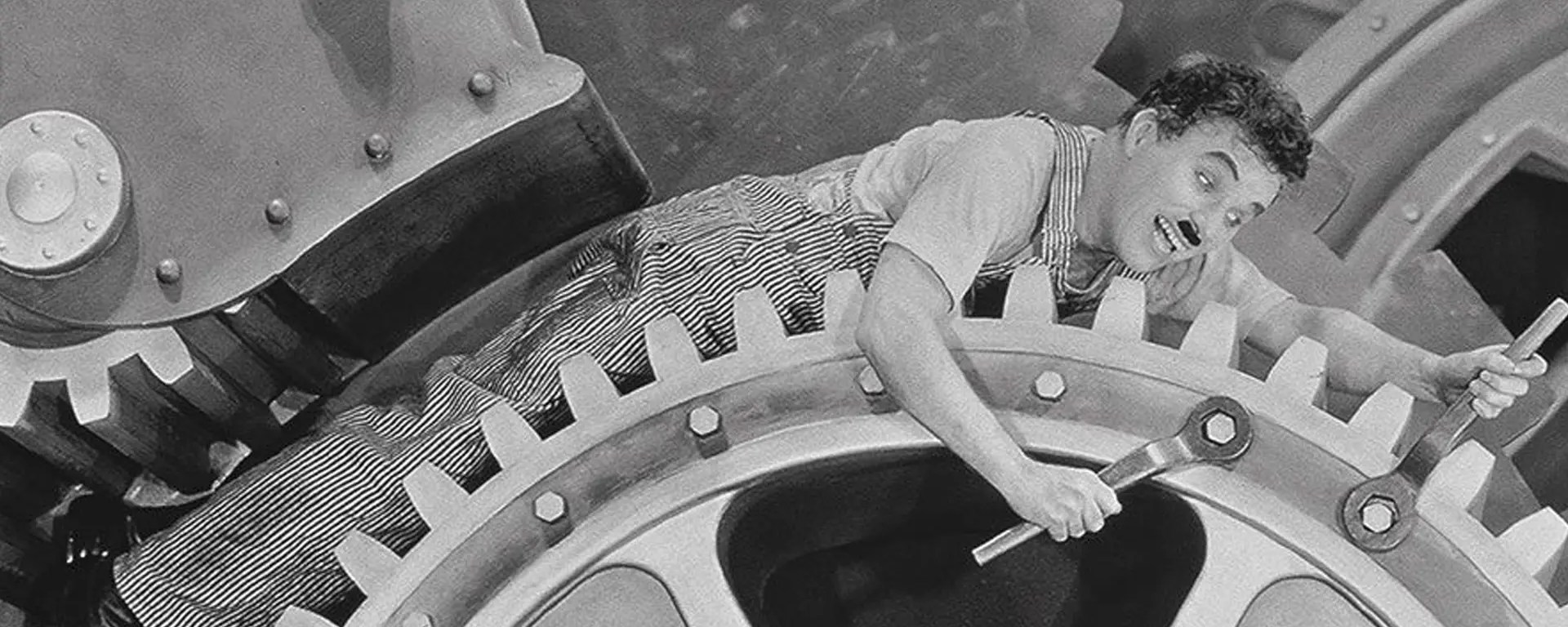
Exactly ninety years ago today, on February 5, 1936, Charlie Chaplin released Modern Times—the final bow of “The Tramp,” a silent masterpiece born into a world of loud machines and the Great Depression. Today, as we stand in the thick of 2026, the film’s iconic imagery—the gears swallowing the worker, the “Feeding Machine” that eliminates the lunch break—feels less like a 20th-century satire and more like a 21st-century documentary. In the age of Agentic AI and “AI-native” workflows, we haven’t escaped the factory; we’ve just digitized the assembly line.
RELATED: Why the BAPE x Adidas World Cup 2026 Collab is the First True “Must-Have” of the Year
Table of Contents
The “Feeding Machine” 2.0
In the film’s most infamous scene, Chaplin is used as a guinea pig for the “Billows Feeding Machine,” a piece of hardware designed to feed workers while they continue to operate the line. The goal? To eliminate the “inefficiency” of the lunch break.
In 2026, we see the digital ghost of the Billows machine in our AI-powered meeting scribes and auto-reply agents. While these tools are marketed as “burnout reducers,” they often function as a digital tether. If AI is handling your “shadow work,” the expectation is that you are now free to process more high-level “hardware” without a pause. We aren’t being fed by a machine, but we are being sustained by a stream of notifications that demand a “Modern Times” level of mechanical response.
The ‘Fox Body” of Cinema
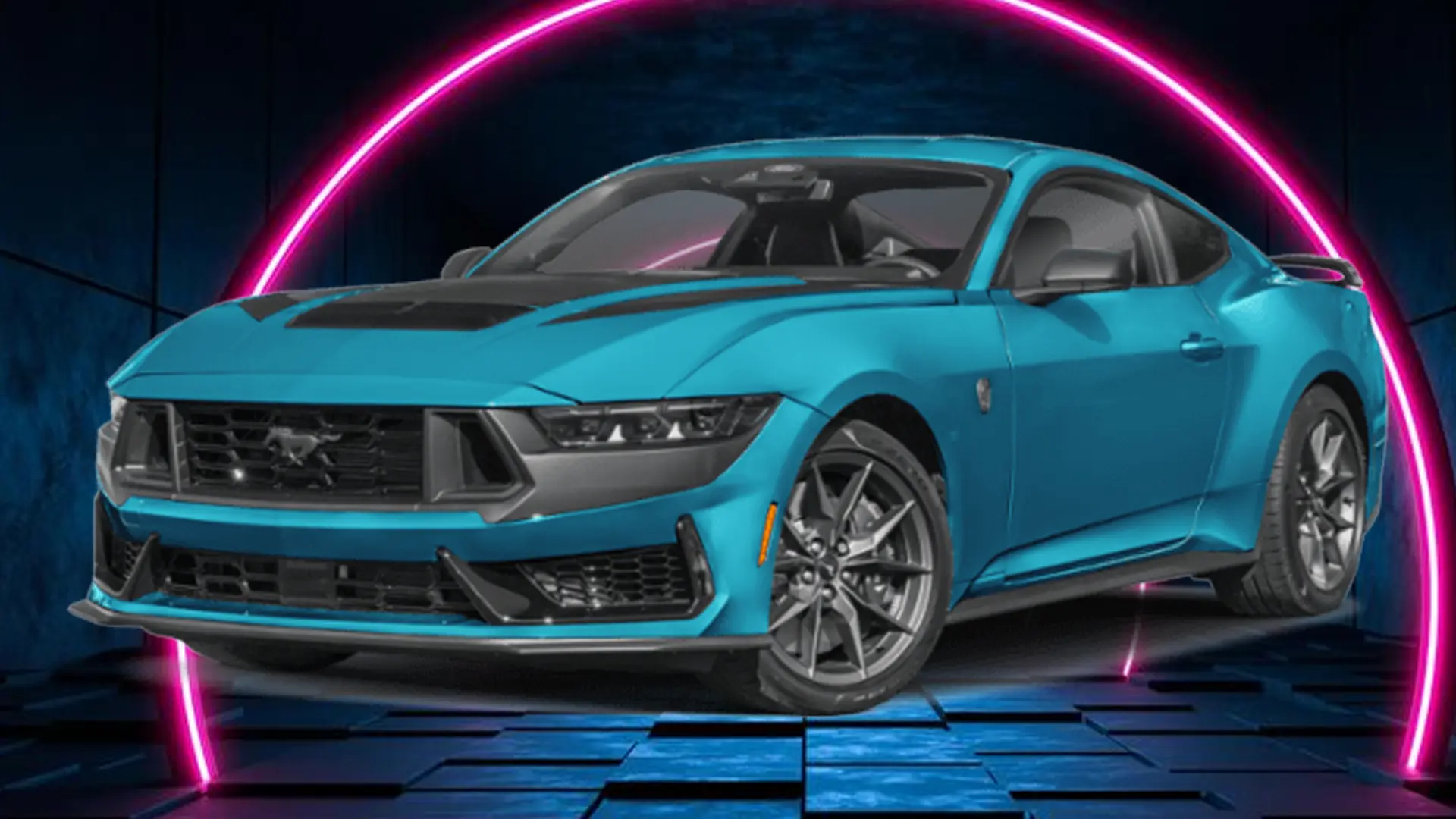
Just as we analyzed the 2026 Mustang Dark Horse for its use of heritage to bridge the gap between old and new, Modern Times was Chaplin’s own “Retro-Future” play. Released well into the “Talkie” era, Chaplin famously kept the Tramp silent. He understood that the machine’s voice—loud, abrasive, and commanding—was the enemy of the human spirit.
In the 2026 workspace, we are seeing a “Burnout Backlash.” Employees are increasingly practicing “microshifting”—breaking work into human-aligned rhythms rather than the rigid 9-to-5 “clock” that Chaplin’s factory owner obsessed over. We are seeking the “Silence” that Chaplin preserved, pushing back against the 24/7 noise of an AI-first world.
The Hardware of Resistance
At Decked Out, we focus on the hardware—the tangible objects and systems that define our culture. Chaplin’s wrench was his hardware; today, our hardware is the AI Agent layer orchestrating our daily journeys.
The lesson of Modern Times at 90 isn’t that technology is the villain. Chaplin himself believed machinery could “release man from the bondage of slavery” if used altruistically. The warning is in sync. When the human is forced to move at the pace of the algorithm, the system breaks.
Why It Matters Now
As we celebrate this 90th anniversary, we have to ask: are we building AI tools to serve the “Tramp,” or are we building a bigger “Feeding Machine”? The 2026 workforce is holding on to their roles more tightly than ever—a phenomenon called “Job Hugging”—out of fear of the gears.
Chaplin’s final message in the film wasn’t one of defeat, but of resilience. He and the Gamin walk away toward the horizon, not into the factory. In 2026, the goal is the same: to master the hardware without becoming a cog in it.
RELATED: Why the 2026 Mustang Dark Horse Perfectly Captures Retro-Future Design
Author Bio
Jael Rucker is the founder of Decked Out Magazine. She has previously worked as the Associate Commerce Editor at PureWow, focusing on analytics and trends to pitch stories and optimize articles that build and engage their audience. Her work has also been seen in Footwear News and WWD. Prior to 2024, she was the style and pop culture editor at ONE37pm for over three years, contributing numerous product reviews, brand profiles and fashion trend reports, which included interviewing Steph Curry, Snoop Dogg and more.